
Love
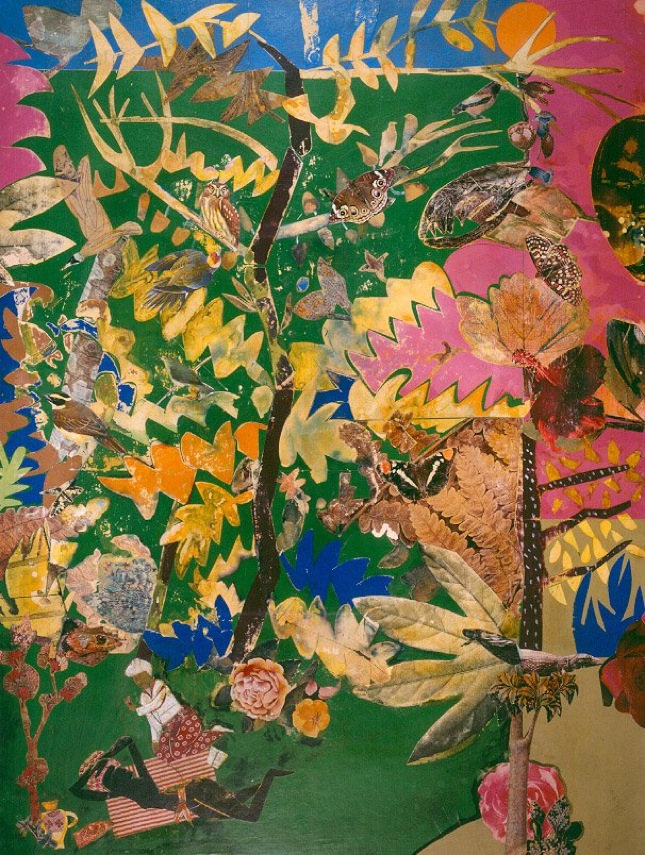
Romare Bearden’s Khayam and the Black Girl (1971)
Bearden transports Omar Khayyám’s Persia to the Tropics for his take on “Quatrain XI” from The Rubáiyát of Omar Khayyám. But the man is Persian and the woman is black. Though the poem suggests sensuality, Bearden presents the poet clothed but the woman naked, except for a body sash and a head turban. It’s still […] read more
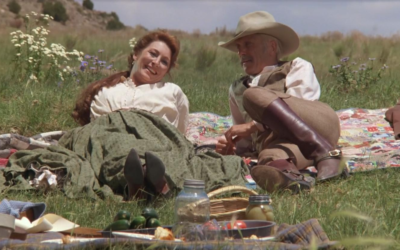
Simon Wincer’s Lonesome Dove (1989)
The picnic scene is featured in the Plains episode of the Lonesome Dove series. The happy couple are old lovers meeting again after a long absence, temporarily. The Cast: Robert Duvall is Gus McCrae and Angelica Huston is Carol Allen Featured Image: Simon Wincer. Lonesome Dove (1989). The screenplay by Larry McMurtry and William D. Wittliff […] read more
John Irvin’s A Month by the Lake (1995)
Irvin’s A Month by the Lake is touted as a romantic comedy about how two lonely middle-aged people break their stiff Englishness and kiss at a picnic. It takes place at a hotel on Lake Como, and the story moves so slowly that it might as well be titled “A Month at Lake Coma.” It’s […] read more
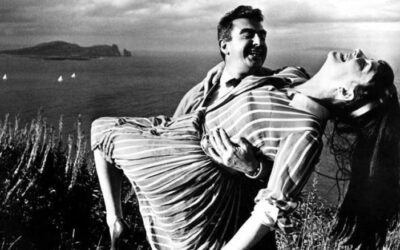
Joseph Strick’s Ulysses (1967)
On June 16, 1906, unknown to each other, Leopold Bloom and Molly Bloom remember the picnic on the Hill of Howth when they agreed to marry sixteen years earlier. a popular park outside of Dublin. As part of her soliloquy in which Molly recalls the day, she remembers the seedcake, but Strick is disinterested in […] read more
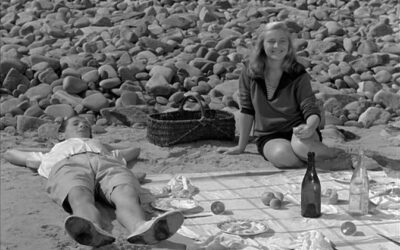
Claude Autant-Lara’s The Ripening Seed (1954)
Autant-Lara’s Le Blé en herbe is good at separating the dual aspects of love in Colette’s novel about adolescents and friends for years and learning about love while vacationing in Normandy. There are two parts to the narrative. In the first part, teenagers Philippe and Vinca fall in love and endure the pleasure and rough […] read more
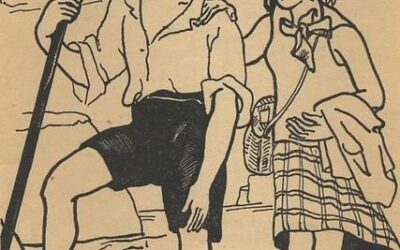
Colette’s The Ripening Seed (1923)
It’s a momentous picnic for a young couple to understand they are courting in Colette’s The Ripening Seed. With the summer half gone, Phil Adebert (sixteen and a half) and Vinca Ferret (fifteen and a half) pack their picnic baskets and walk down the rocky cliffs like “explorers, to eat out of doors in one […] read more
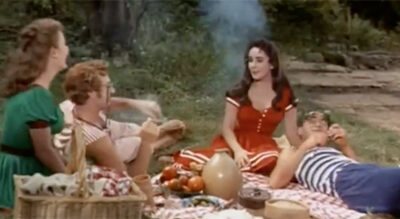
Edward Dmytryk’s Raintree County (1957)
Dmytryk’s picnic is a traditional affair on the rocky ledge of the Shawmucky River: a blanket, food, and a demijohn of corn liquor. It begins happily and ends with a kiss. The day’s happiness is a prelude to John Shawnessey’s love affair and unfortunate marriage to Susanna Drake, a southern belle with a wobbly character […] read more
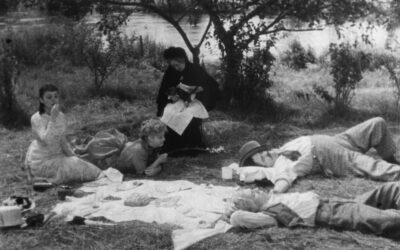
Jean Renoir’s Partie de Campagne (1936/1946)
Partie de Campagne is Jean Renoir’s close adaptation of Maupassant’s story. The title is translated as “A Trip to the Country,” “The Excursion,” or “The Country Excursion,” but usually not as a picnic. This is because the French have long preferred partie de campagne to signify an outside party. The narrative concerns the sad romantic […] read more
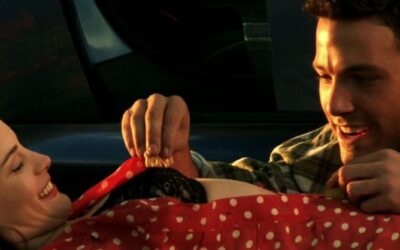
Michael Bray’s Armageddon (1998)
All hell might break loose. Earth may be obliterated, but A. J. Frost and his sweetheart Grace Stamper ignore their food preferring sex foreplay instead. “Do you think,” asks Grace, “that anyone else in the world is doing this very same thing at the same moment?” A.J.’s the ready answer is, “I hope so… Otherwise, […] read more
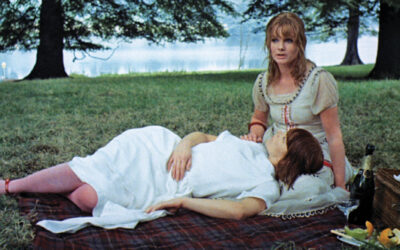
Ken Russell’s Women in Love (1969)
As in Lawrence’s Women in Love, Russell’s water party, a euphemism for a picnic, begins happily in the bright light of the early afternoon but ends dismally in the evening, partially illuminated by gaudy party lights. More like a country fair than an informal picnic, the water party is a busy affair demonstrating the Crich […] read more
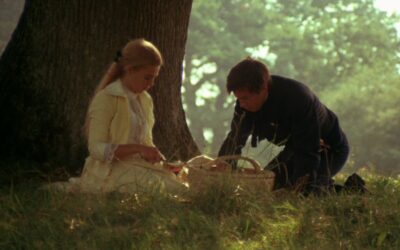
Bo Widerberg Elvira Madigan’s (1967)
Widerberg’s Elvira Madigan has two picnics. The first is a lover’s idyll; the second is sad and deadly. When Elvira Madigan, aka Hedvig Jensen, a circus performer, and Count Sixten Sparre, a married cavalry officer, eloped, their life together was a picnic. Their moment of happiness was brief, and when their picnic fizzled, they died […] read more
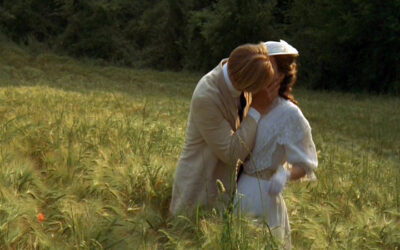
E.M. Foster’s A Room with a View (1985)
.M. Forster’s narrator calls the outcome of this picnic a “social contretemps.” Due to George Emmerson’s exuberance and Lucy Honeychurch’s reticence. He associates the perplexity to the presence of Pan, the god of chaos: Some complicated game had been playing up and down the hillside all the afternoon. What it was and exactly how the […] read more
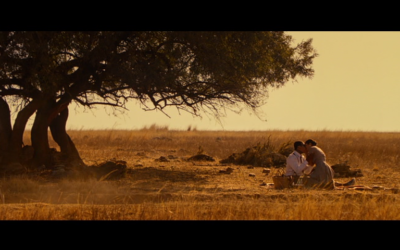
Justin Chadwick’s Mandela: Long Walk to Freedom (2013)
Chadwick’s picnic is perfunctory and idealized. Chadwick and his screenwriter William Nicolson liked the idea of a lovers’ picnic because the narrative needed a romantic interlude. Mandela’s autobiography does not mention a picnic during his courtship of Winnie Mamzamo Madikizelain. This is true; at the time, Mandela was married and awaiting trial for treason, but […] read more
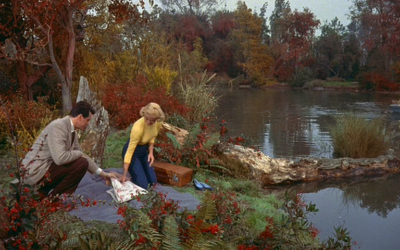
Douglas Sirk’s Written on the Wind (1956)
Douglas Sirk’s picnic episode in Written on the Wind is about the failed attempt by Marylee Hadley to renew her romantic feelings for Mitch Wayne. Mitch is unresponsive. Mitch is friendly, but that’s all. He’s not eager for the picnic and is dressed casually for work. While Marylee spreads a cloth, she says. “I brought […] read more
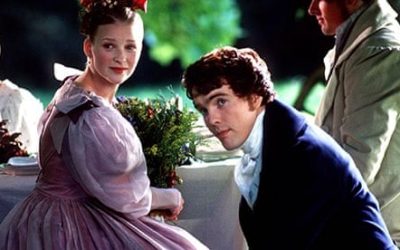
Simon Curtis’s David Copperfield (1999)
Dickens devotes the better part of the chapter “Blissful” to his text so that he shows how Copperfield is obsessed. “She was too bewildering,” David later explains, “To see her lay the flowers against her little dimpled chin, was to lose all presence of mind and power of language in a feeble ecstasy.” Curtis’s David […] read more
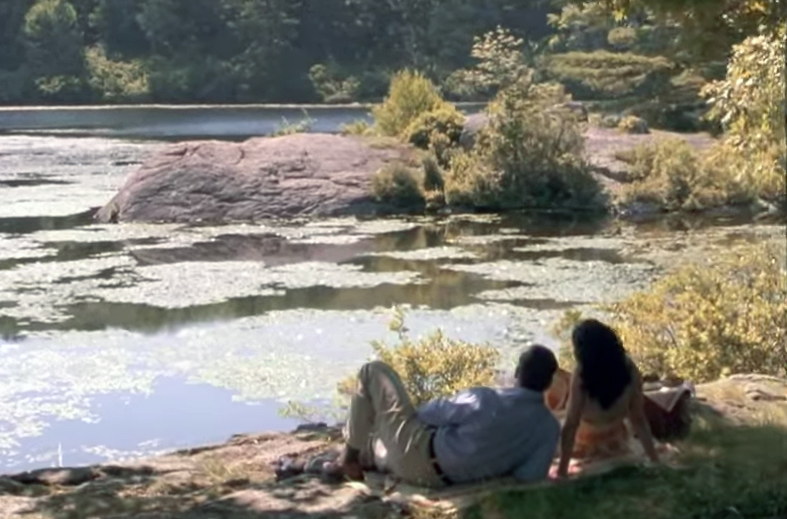
Ron Howard’s A Beautiful Mind (2002)
It’s unknown if Nobel Prize-winning mathematician John Nash ever picnicked. His biographer Sylvia Nasar doesn’t mention any. Undeterred by the lack of biographical information, Ron Howard and screenwriter Akiva Goldman invented a picnic to add narrative interest showing Nash’s quirky personality. It’s an afternoon date on which Nash makes love to his sweetheart Alicia Lande. […] read more
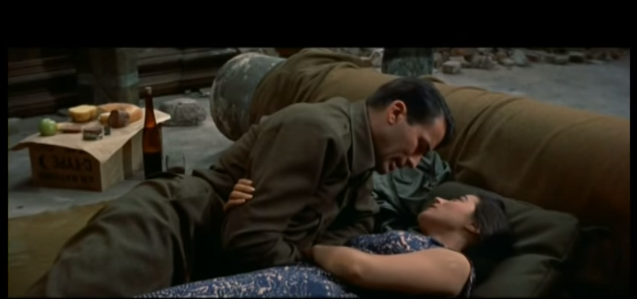
Nunnally Johnson’s The Man in the Gray Flannel Suit (1956)
Wilson’s The Man in the Gray Flannel Suit and Johnson’s film strongly solidified the character of Tom Wrath as a symbol of mid-twentieth Century America, the rising generation of white, well-educated men striving for wealth and power in mid-century 19th century America. Ernest Hemingway disdained Wilson’s novel as a drivel but was silent about the […] read more
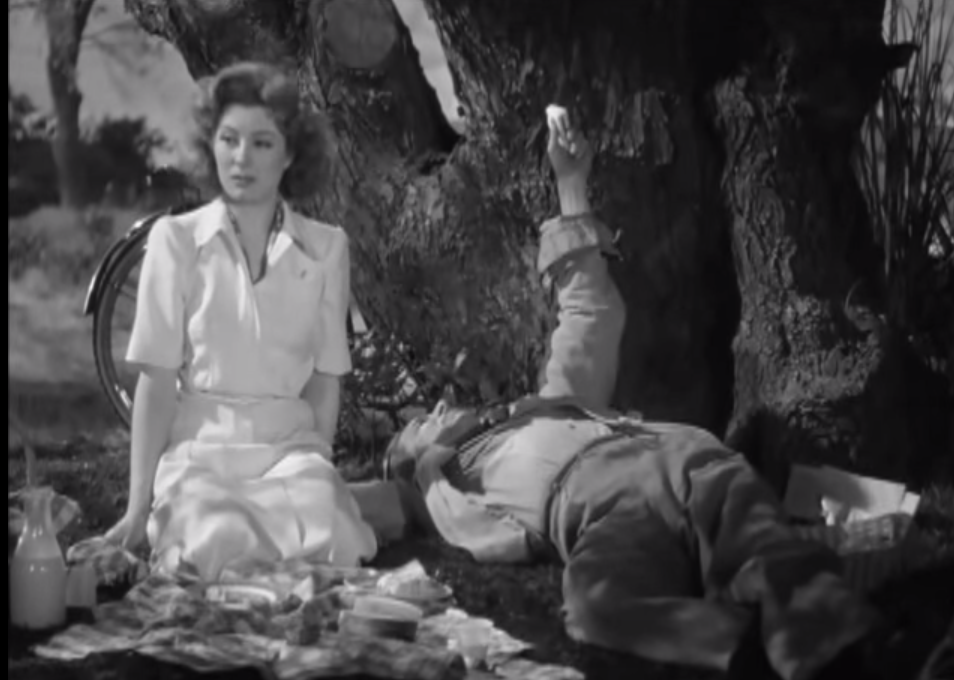
Mervyn LeRoy’s Random Harvest (1942)
LeRoy’s Random Harvest picnic is phony. (It’s also original to the screenplay.) Smithy and Paula sit on fake grass beside an artificial stream with real goldfish. It’s props like these Nathaniel West had pulverized in his Hollywood satire The Day of the Locust. “On a lawn of fiber,’ West writes, “a group of men and […] read more
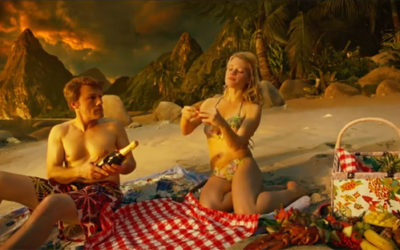
Terry Gilliam’s Zero Theorem (2013)
Gilliam’s Zero Theorem is a sexy, pleasantly ordinary picnic. Except it is virtual, taking place in Qohen’s computer program and placed there by his horrid boss to make him work, work, work. The picnic is a romp on the tropical beach with a virtual sex worker Bainsley. Before the picnic, supremely unhappy Qohen Leth, a […] read more
Roy C. Smallwood’s Camille: A Modernized Version (1921)
The picnic episode in Roy Smallwood’s Camille: A Modernized Version is not present in Alexandre Dumas, fils’s La Dame aux Camélias. According to Smallwood’s cinematic logic, however, a romantic scene played out in a natural setting is a sure audience winner. So when Marguerite, the Lady of the Camelias, is recovering from tuberculosis, she meets […] read more
Clint Eastwood’s The Bridges of Madison County (1995)
What’s to be done after a long night of love-making? Go on a picnic, of course. Eastwood’s picnic setup in Bridges of Madison County is stagy: a cloth on the grass, a cooler, oranges (never peeled), and apples (never eaten). Coca-Cola (never opened). It’s a step beyond Robert James Waller’s sudsy romantic novel, which does […] read more
Jane Campion’s Bright Star (2009)
Bright Star (2009), Jane Campion’s version of John Keats and Fanny Brawne’s love affair, invents two romantic courtship picnic scenes. These moments are poignant because we know the romance will end in heartbreak. The first is a picnic at which they kiss. At another family picnic, Keats and Fanny dance while Fanny’s mother sleeps, and […] read more
Vladimir Nabokov’s “The University Poem” (1926)
Nabokov’s “The University Poem” (1926) marks the decline of a love affair at a punting picnic on the River Cam in Cambridge. In what ought to be a happy scene of lovers on the Cam, a teem rivers full of punts bordered by tawny Gothic buildings and green lawns, and white flowering chestnut tree, the […] read more
Laurie Colwin ‘s Family Happiness (1982)
Colwin’s is a New York-based novel about Polly [Dora] Solo-Miller Demarest, married to Henry Demarest, an affluent, Jewish East Manhattan husband she loves, and Lincoln Bennett, an artist who lives in Lower Manhattan. Polly finds family happiness by leading two lives, each separate and fulfilling. On Sundays, Polly has lunch with her parents and extended […] read more
Peter Viertel’s Loser Deals (1995)
Vertiel’s picnic is a lovers’ tryst in a finca above Marbella, a town on the Costa Brava. Robert Masters and Carmen Fernandez, a flamenco dancer, are having a farewell picnic because she is leaving for Madrid to dance with an important company. She packs a roasted chicken and a bottle of wine in a basket. […] read more
Edna Ferber’s Fanny Herself (1917)
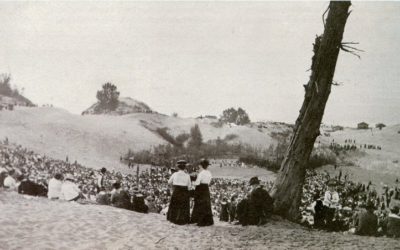
Fanny Brandeis is a new woman, whose career comes first, and when Clarence Heyl, an unacknowledged suitor, asks her to picnic, she says that she’s so busy working that she has forgotten how. But the next morning, Fanny is sitting in a train heading out from Chicago to the Indiana Dunes on Lake Michigan, a […] read more
Charles Dickens’s David Copperfield (1850)
“Blissful” is Dickens’s word to describe Copperfield’s tenderest memories of Dora Spenlow’s picnic birthday party. He’s about nineteen and obsessed, getting up before 6 AM to buy flowers, so they are fresh. The picnic is near Guilford, Surrey, that David thinks might have been conjured by an “Arabian Night-magician.” He rides horseback behind Dora’s carriage […] read more

Margaret Atwood’s The Blind Assassin (2000)
An intimate picnic in The Blind Assassin is a lover’s picnic on the grass that might fleetingly Genesis but more directly alludes to Omar Khayyám’s Rubáiyát “XI.” Iris Chase has returned from her wedding trip with Richard and is unhappy. By luck, she runs into Alex Thomas and agrees to meet him later. Their first […] read more

James Jacques Tissot La partie carrée (1870)
James Jacques Joseph Tissot’s La Partie carrée, aka The Foursome, is more sexually suggestive than the English title indicates. The French title Partie Carrée suggests a sexual tryst and alludes to Édouard Manet’s The Luncheon on the Grass (1863). The couples are flirting, and Tissot has included appropriate gestures and symbols: the man in […] read more
Omar Khayyám’s The Rubáiyát of Omar Khayyám (1100c.)
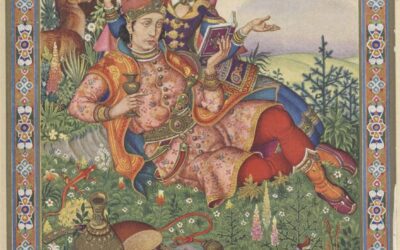
Omar Khayyam is better known for his love poems than his philosophy. His vision of lovers picnicking is in Rubáiyát “XI” in the collection of his poetry titled The Rubáiyát of Omar Khayyám, most often read in Edward Fitzgerald translation: A Book of Verses underneath a Bough, A Jug of Wine, a Loaf of Bread-and […] read more
Ron Howard’s A Beautiful Mind (2002)
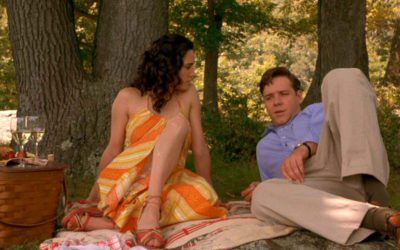
It’s unknown if Nobel Prize-winning mathematician John Nash ever picnicked. His biographer Sylvia Nasar doesn’t mention any. Undeterred by the lack of biographical information, Ron Howard and screenwriter Akiva Goldman invented a picnic to add narrative interest showing Nash’s quirky personality. It’s an afternoon date on which Nash makes love to his sweetheart Alicia Lande. […] read more
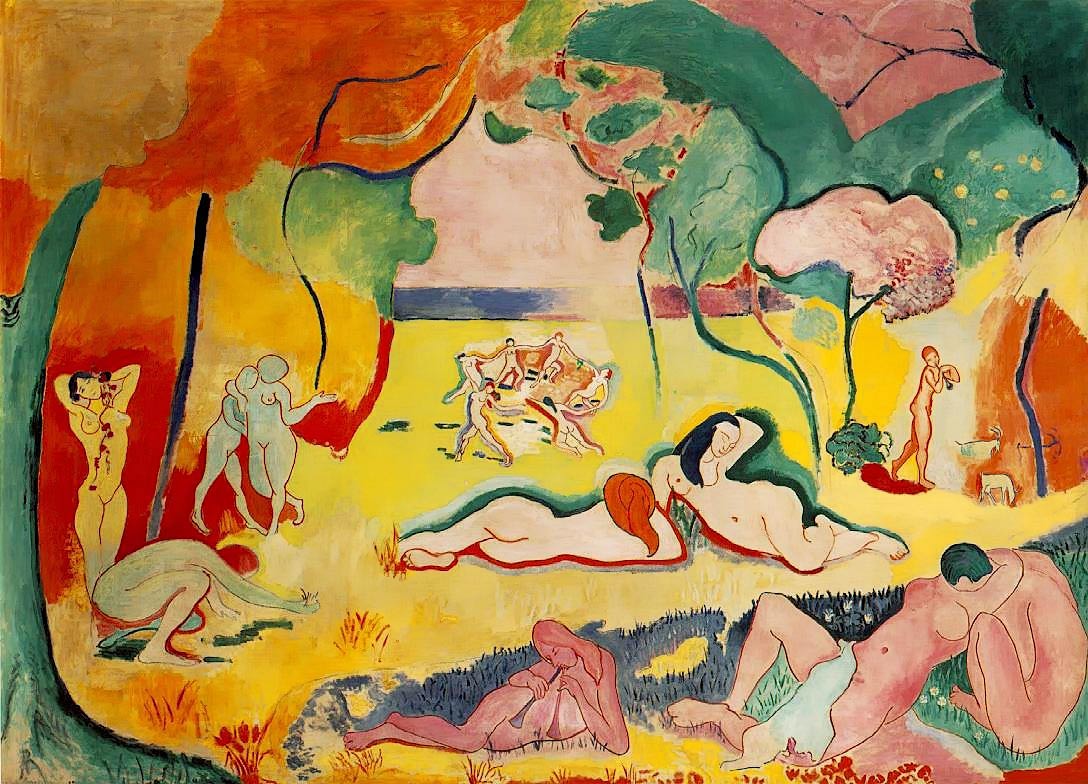
Henri Matisse’s Bonheur de Vivre (1905/06)
Matisse completed The Joy of Life [Le Bonheur de Vivre] (1905-1906), a lovers’ picnic in a garden. There is a cloth, though there is neither food nor drink. Who was it that said, “Love is not all: it is not meat nor drink”? [Also see Matisse’s Calm, Luxury, and Sensual Pleasure posted elsewhere in PicnicWit] Featured Image: Henri Matisse, Bonheur de Vivre, Joy […] read more
H.E. Bates’s A Month by the Lake (1987)
Though billed as a comedy of errors, for all that happens in Bates’s “A Month by the Lake,” the lake might as well be Lake Coma. There is, however, a Bates a lovely picnic in the summer of 1937, enhancing the slow-paced relationship of the middle-aged English spinster Miss Bentley and the earnest bachelor Major […] read more
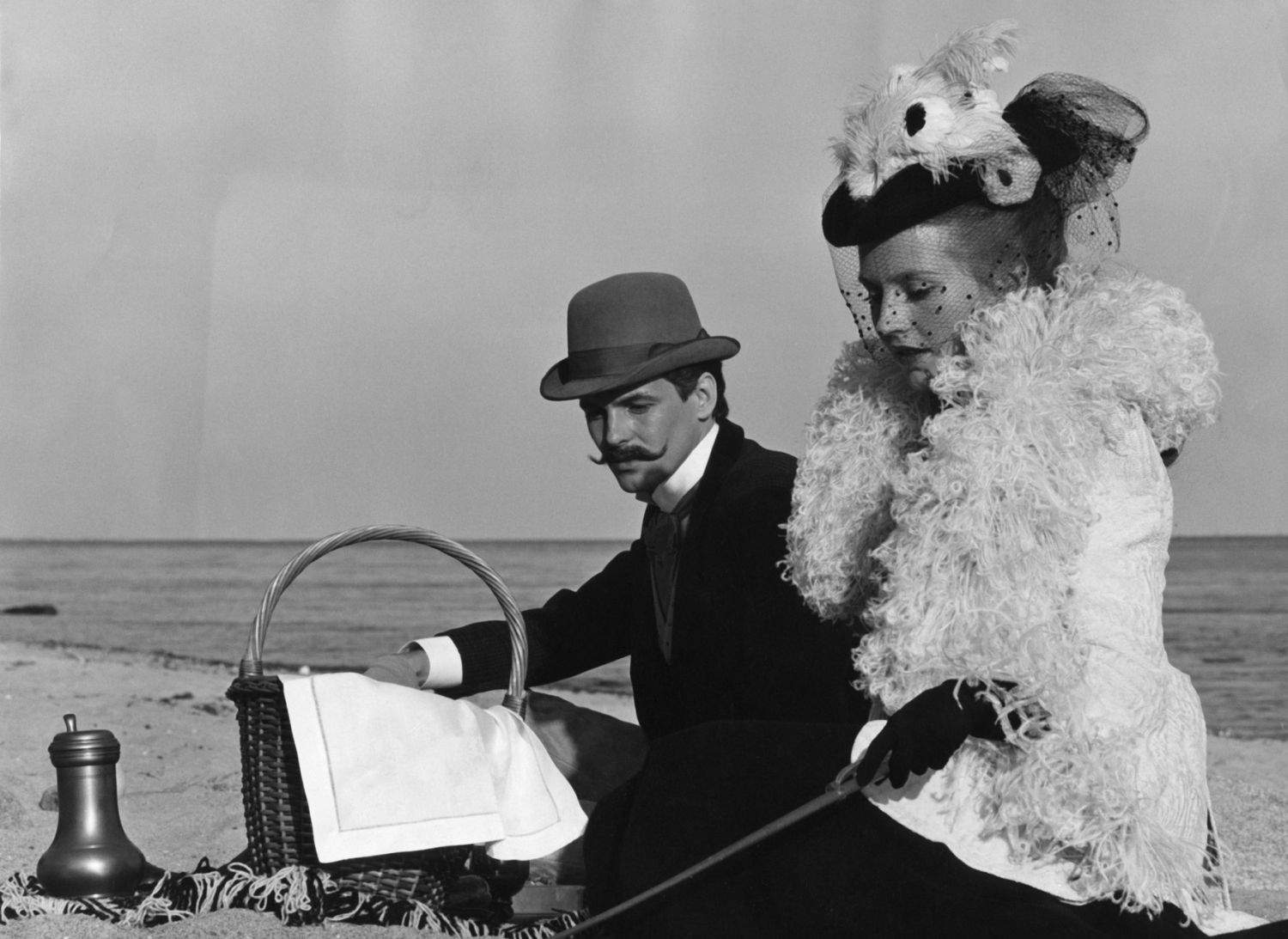
Theodor Fontane’s Effi Briest (1896)
Fontane’s take on adultery in Effi Briest is a long, long sad story hinging on a beach-picnic-love affair. At first, it’s a recreational outing for Effi Briest and a friend, Major von Crampas. But soon, the recreation becomes a cover for lust. Though Briest and Crampas are discrete, long after the affair has ended, Briest […] read more
Ned Rorems’s Picnic on the Marne (1967)
Rorem’s bitchy recollection of a “collapsed romance” inspired Picnic on the Marne: Seven Waltzes. When his romance with Claude Benedick was hot in the 1950sRorem was lovey-dovy. But in 1967, all that was left was rancor. Rorem’s The New York Diary (1967) spews his anger. “Sweet memories will always be soiled by your action,” he […] read more
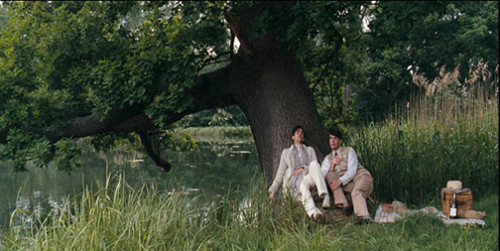
Evelyn Waugh’sBrideshead Revisited (1945)
Slightly drunk, Sebastian Flyte looks up at the sky, remarking (mainly to himself), “Just the place to bury a crock of gold,” he says, “I should like to bury something precious in every place where I’ve been happy and then when I was old and ugly and miserable, I could come back and dig it […] read more
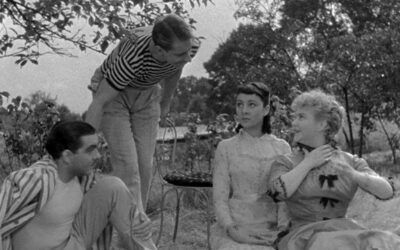
Guy De Maupassant’s “Une Partie de Campagne” (1881)
Maupassant uses the phrase une partie de campagne as a euphemism for an outdoor picnic. It’s a sad story about a romantic love that fizzles during a holiday celebrating a birthday, when the Dufours, a middle-class Parisian family, spend a day along the Seine at the Restaurant Poulin, a modest inn west of Paris. The […] read more
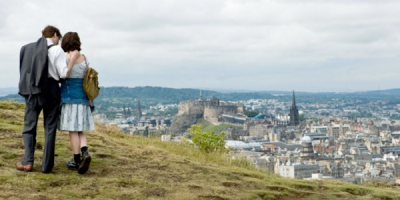
David Nicholls’ One Day (2009)
As sappy romantic novels go, David Nicholls’ One Day (2009) is about a one-night sexual encounter that becomes a life-long romantic heartache. Dexter and Emma’s picnic on Arthur’s Seat is never revealed, but we do know what each brings in their rucksacks. On July 15, 1988, Saint Swithin’s Day, Dexter Mayhew and Emma Morley picnic after a […] read more
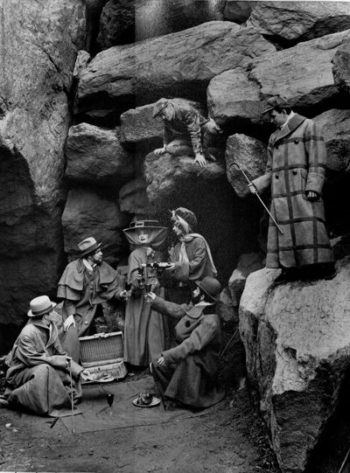
Frederick Ashton’s Picnic at Tintagel (1952)
Frederick Ashton’s Picnic at Tintagel is inspired by Mary Elizabeth Braddon’s popular Victorian novel Royal Mount, where sightseers picnic on Tintagel Castle’s ruins. (Discussion of Braddon’s Royal Mount is posted elsewhere on PicnicWit.com) Ashton famed the narrative by contrasting the story of Tristan Isolde, retold in two timeframes, one Edwardian and the other in the Dark Ages. As […] read more

Walt Disney’s The Picnic (1930)
The Picnic, a seven-minute Mickey Mouse packs as many picnic conventions as possible: a motorcar drive to the country, a stream, shady tree, a wicker basket, a gingham cloth jammed with a gourmand feast of sandwiches, Swiss cheese, mustard, pickles, olives, honey, cookies, cake with icing, sugar cubes, and some undefined soft beverage [lemonade or […] read more
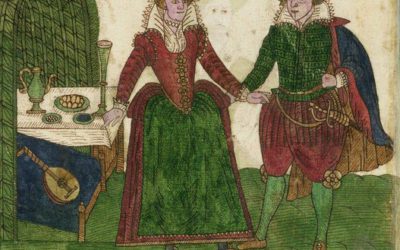
Thomas Trevelyon’s Lover’s Picnics in The Miscellany (1608)
Trevelyon’s Miscellany is a meticulously illustrated compendium of 1608. It’s stocked with a calendar, scenes from the Bible, current events, court, political figures, costumes, fabric designs, games, dances, etc. It’s among the marvels of bookcraft by a Londoner of means with the imagination and leisure to make this a book. Two of Trevelyon’s illustrations contrasting […] read more
John Keats’s “Pic Nic Scandal” (1818)
Keats uses the phrase “pic nic scandal” to suggest something silly, and he tosses it off as if it’s a common phrase, but it’s unique to him. Writing to his brother George and his wife Georgiana, he writes, “Perhaps as you were fond of giving me sketches of character you may like a little pic […] read more
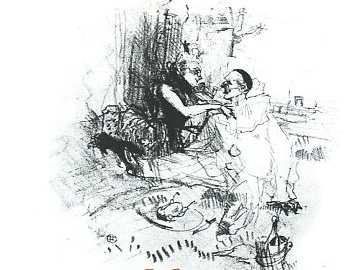
Henri de Toulouse-Lautrec’s Le Pique-Nique (1898
Le Pique-Nique was probably not Toulouse-Lautrec’s title because the French did not use pique-nique for such a meal. The subject is the Pierrot, the sad-sack clown, with whom Lautrec identified as a man who does not get the genuine affection of the woman he loves. Lautrec’s Pierrot is comfortable sharing his Picnic with an admirer, a […] read more
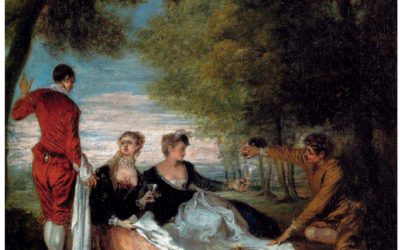
Jean-Antoine Watteau’s La Collation (1721c.)
Watteau’s The Collation or Lunch in the Open (1710-1720s c.) is intimate and picnicky. Among his works, it is the most like a déjeuner sur l’herbe, except for his hunt luncheon subjects. As usual, for the French, the subject is not referred to as un pique-nique, though the word was used for indoor dining. The couples casually […] read more
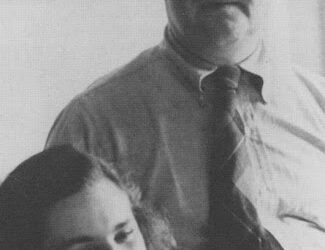
Edmund Wilson and Mary McCarthy’s Wellfleet Picnic (1942)
McCarthy and Wilson enjoyed sex and picnics in Wellfleet, Massachusetts. They often picnicked at the freshwater ponds dotting the mid-Cape, but during the summer of 1942, their marriage was wobbly. Wilson was fond of remembering his sexual relations with McCarthy. One outing at Gull Pond, where they enjoyed the pond’s freshwater, dined, and had sex. […] read more
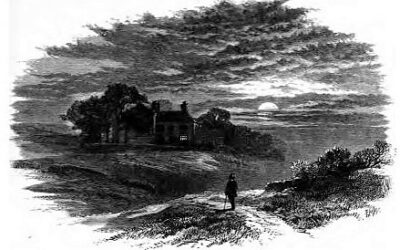
Anne Brontë’s
Brontë’s Wildfell Hall is a romantic potboiler. Helen Huntingdon, a good woman, married to an abusive man, Arthur Huntingdon, an abusive husband, runs away and takes the name, Helen Graham. At Wildfell Hall, Graham meets Gilbert Markham, who immediately falls in love with her. The narrative is a series of misunderstandings and misfortunes, etc., that […] read more
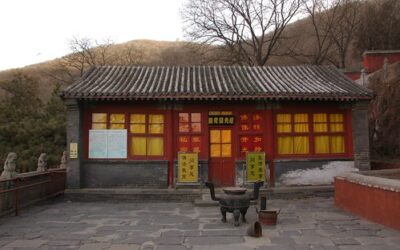
Ann Bridge’s Peking Picnic (1932)
Bridge’s Peking Picnic is autofiction based on her life as the wife of the British Oriental Attaché in Peking. The romantic interlude suggests that Bridge’s real-life marriage to Owen O’Malley was no picnic. It’s the story of picnic romance that never quite gets fulfilled, saving Laura Leroy, the protagonist, from anything more than adultery in […] read more
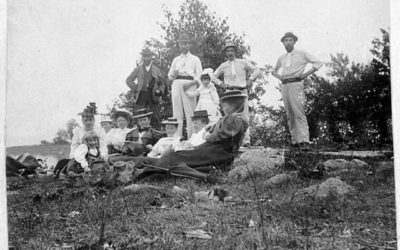
William Dean Howells’ April Hopes (1887)
“People do all sorts of things at picnics” is Howells’s paradoxical foreshadowing of a love match that begins on a picnic on the rocky shore of the Bay of Fundy and then goes wrong. Though the picnickers are convivial, they mask their feelings, at least for appearance’s sake. The seashore is a mixture of ordinary […] read more
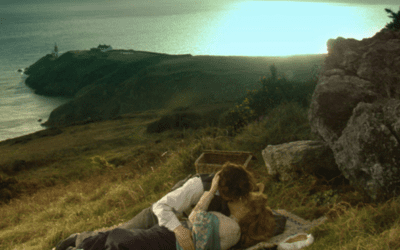
James Joyce’s Ulysses (1922)
Their marriage disintegrating, Leopold and Molly Bloom remember when they were in love and picnicked on Howth Head. They vividly remember Molly feeding Bloom a seedcake. (Joyce considered this sensual, but the visual image is of a bird feeding its young.) Bloom and Molly (née Marian Tweedy) picnic on Howth Head. Bloom recollects they were […] read more