
Memoirs
Leo Tolstoy’s <em>The Hunt</em> (1852)
Tolstoy’s “The Hunt” from Childhood, Boyhood, Youth is a memoir episode of picnicking with his father during a hunt in which he remembers the sights, sounds, and smells of the forest: the chatter of the peasants, rumbling of horses, cries of quails, a hum of insects, and the smell of the soil, grain, and steam […] read more
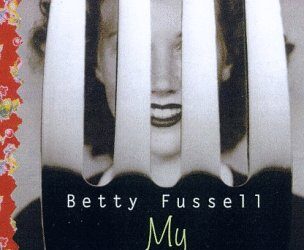
Betty Fussell <em>he Kitchen Wars </em> (1999)
“Hot Grills” is a chapter that puns on picnic cookery and adultery; unpacking the picnic basket is a metaphor for undressing; eating is a metaphor for sexual intercourse. Picnics are he release from everyday routine and the displeasures of a sour academic marriage. “Picnickers who are determined to picnic will always find a spot somewhere. […] read more
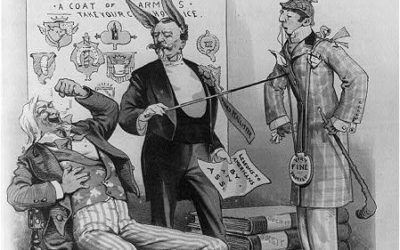
Ward McAllister's <em>Society As I Have Found It</em> (1890)
McCallister was a member of the Establishment and a paid social advisor, especially to Caroline Webster Schermerhorn Astor, the acknowledged queen of New York society. The text’s epigram is: “One who reads this book through will have as rough a mental journey as his physical nature would undergo in riding over a corduroy road in […] read more
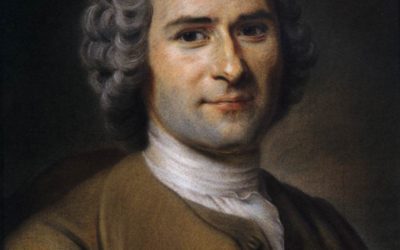
Jean-Jacques Rousseau's "pique-nique" with the Abbé Condillac (1745/47c.)
Rousseau and Abbé Etienne Condillac dined en piquenique sometime in 1745 or 1747. The date is uncertain because Rousseau is careless with dates related to the incident twenty years after in Confessions. Hard up and living in Paris in the rue Saint-Denis, Rousseau sometimes shared the expense of dining. He writes that when Condillac came […] read more
M.F.K. Fisher’s "The First Oyster” (1941)
Buried in Gastronomical Me and the story Fisher’s first oyster is her memory of a joyous school picnic at the Huntington School for Girls. Fisher remembers t “Hungry shrieking,” girls “at half past noon a procession of house-boys would come down the cliffs from the school with our lunch for us in big baskets. There […] read more
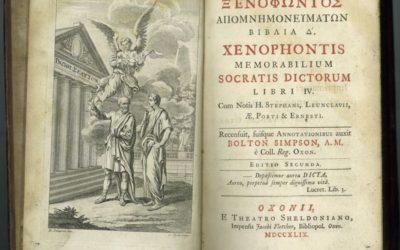
Xenophon’s <em>The Memorabilia</em> (c.370BCE)
The custom of sharing food or eranos was common among the ancient Greeks. In The Memorabilia, Xenophon discusses a dinner party at which Socrates suggests that the food and drink be collected in common stock, so there is no social discord about who brought what to the table, and a minor contributor is embarrassed by […] read more
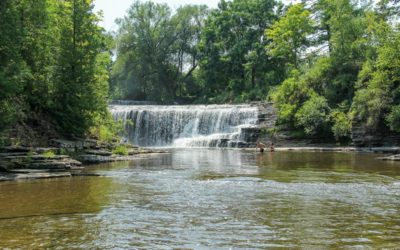
Frederick Exley's Disastrous Picnic in <em>Pages from a Cold Island </em> (1974)
Exley’s semi-memoir Pages from a Cold Island, an homage to Edmund Wilson, describes his disastrous picnic on the Sugar River with Mary Polcar, Wilson’s “drinking, dinner, and movie companion,” and get her to talk about him. Exley’s interest was partly homage and partly prurient. The picnic is disastrous and comical by turns: the ground is […] read more
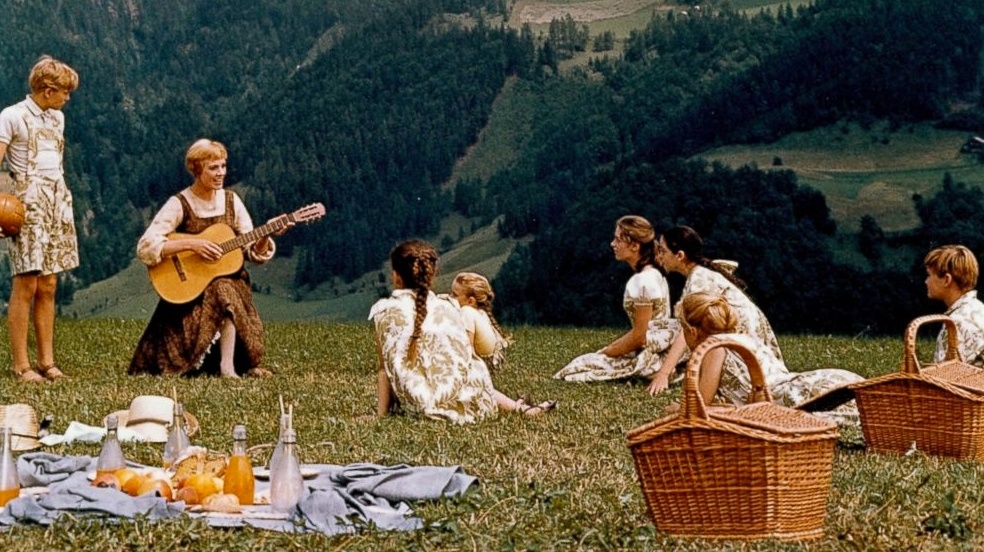
Maria Augusta von Trapp’s <em>The Story of the von Trapp Family Singers</em>does not have a picnic (1950)
The picnic is missing in Maria Augusta von Trapp’s The Story of the von Trapp Family Singers, Liebeneiner’s film Die Trapp-Familie, and the Broadway musical of The Sound of Music. Robert Wise and screenwriter Ernest Lehman wrote it for The Sound of Music. Set on the slope of a mountain in the Austrian Alps above […] read more
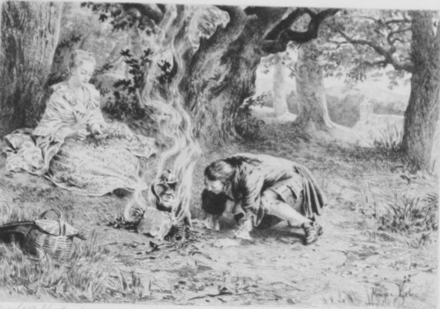
Jean-Jacques Rousseau's <em> Les Rêvieries du Promeneur</em> or <em>Solitaire or Reveries of a Solitary Walker</em> (1782)
Les Rêvieries du Promeneur Solitaire or Reveries of a Solitary Walker was written in 1776-78, left unfinished, and published posthumously in 1782. It’s composed of ten “walks” or personal essays; the fourth includes the episode about dining in Madame Vacossin’s restaurant, where he shared the cost of the meal en maniére de pic-nic. French readers, […] read more

Laura Shaine Cunningham’s <em>A Place in the Country</em> (2000)
Laura Cunningham’s memoir A Place in the Country (2000) is suffused with romantic memories of a New York City park where she picnicked with her mother Rosie and eating lunch packed in a paper bag. The sandwiches were made with Wonder Bread, soft bread with no substance, and fruit. Cunningham remembers she was about five […] read more

Felice Benuzzi <em>No Picnic on Mount Kenya</em> (1952)
Benuzzi’s original title for his memoir was Fuga sul Kenya – 17 giorni di liberta [Escape on Kenya – 17 days of liberty]. But being deeply impressed by Vivienne de Watteville’s Speak to the Earth, her memoir of camping on Mount Kenya, * he renamed the narrative No Picnic on Mount Kenya. What particularly impressed […] read more
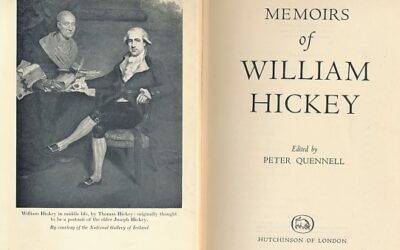
William Hickey’s Picnic in Westminster Abbey during the Coronation of George III (1762)
Hickey’s Memoirs included a picnic luncheon in Westminster Abbey during the coronation of George III in September 1762. His memory of the coronation is humorous if it’s true. Many of Hickey’s memories are lascivious, and he was regarded as a rake. Hickey’s father rented a Nunnery, a viewing stand for twelve, in front of a […] read more
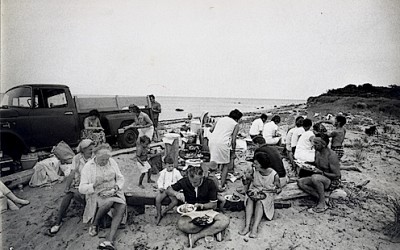
Craig Claiborne's Chefs's Picnic in <em>A Feast Made for Laughter</em> (1982)
Claiborne’s A Feast Made for Laughter (1982) relates the anecdote of the “Chefs’ Picnic” (1965) staged on Gardiners Island, East Hampton, NY, for twenty-five and catered by five four-star chefs. According to Claiborne, he was the star. His collaborator Pierre Franey gets second billing, though a Life magazine article makes Franey the star. Claiborne is […] read more
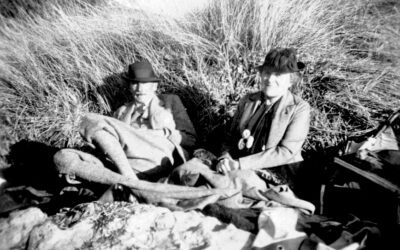
Robert Norton's Memories of Edith Wharton Picnicking (1947c)
Norton recalls Edith Wharton “had a passion for picnics, a passion not shared by quite all of her guests, some of whom, unskilled at balancing a loaded plate on their knees, would have secretly preferred a hot square meal served on solid mahogany: but they dared not avow their unworthiness, and picnics were the rule […] read more
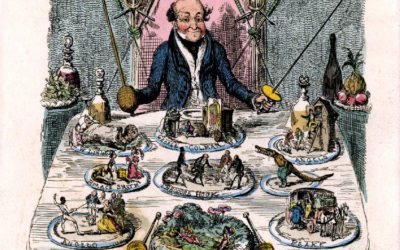
Henry Angelo's <em>Reminiscences</em> (1830)
Angelo, London’s most renowned fencing master, was an original Pic Nic. His in Reminiscences of Henry Angelo (1830) is among the few first-hand depictions of the society. Angel explains that “the plan [for the Pic Nics] was derived from a friendly custom prevalent among our gay neighbours, the French, who formed little societies wherein the […] read more

Henry Louis Gates's, Jr.'s <em>Colored People: A Memoir</em> (1994)
Piedmont, West Virginia, where Gates spent his youth, was a segregated town where most of the inhabitants worked at a Westvaco paper mill. Though Gates looks fondly at the company picnic scheduled to close in 1969 or 1970, the event is bittersweet. It’s described in the last chapter of the book, which, he explains, […] read more
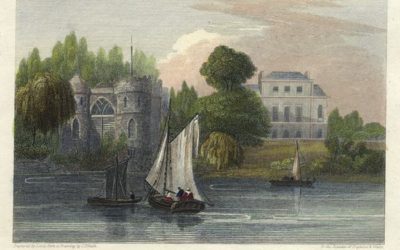
Lady Elizabeth Craven’s “What is a Pic Nic?” (1803?)
From 1780-1820, “Dilettanti,” or amateur theater aficionados, organized theater groups. Among the most passionate, Louise Craven, Margravine of Ansbach, who wrote plays, produced and acted in them, persuaded her doting husband, the Margrave of Ansbach, to build her a two-hundred-seat theater at their estate, Brandenburgh House (on the Thames in Middlesex). During the social seasons […] read more

John Byng’s <em>The Torrington Diaries</em> (1792)
Among his many adventures traipsing about England, John Byng was proud of picnicking on the far side of High Force though the experience left him miserably wet. After spending an uncomfortable night in an inn, Byng hired a guide and, stuffing his pockets with eatable, set out to ford the River Tees at the base […] read more

Oliver Cromwell’s Picnic in Hyde Park (1654)
Cromwell, the Lord Protector of England, “picnicked” in Hyde Park in 1654. According to Cromwell’s secretary of state Edmund Ludlow, “His highness, only accompanied with secretary Thurloe and some few of his gentlemen and servants, went to take the air in Hyde-park, where he caused some dishes of meat to be brought; where he made […] read more

Gwen Raverat’s <em>Period Piece</em> (1952)
“Heroic Survivors of the Picnic.” is Gwen Raverat’s bittersweet memory of a miserable picnic. It’s the next-to-last anecdote in her memoir Period Piece: A Cambridge Childhood. I think she means to suggest that life was no picnic but that she has no remorse. Despite the cold wind, rain, nettles, ants, and many other miseries, including […] read more
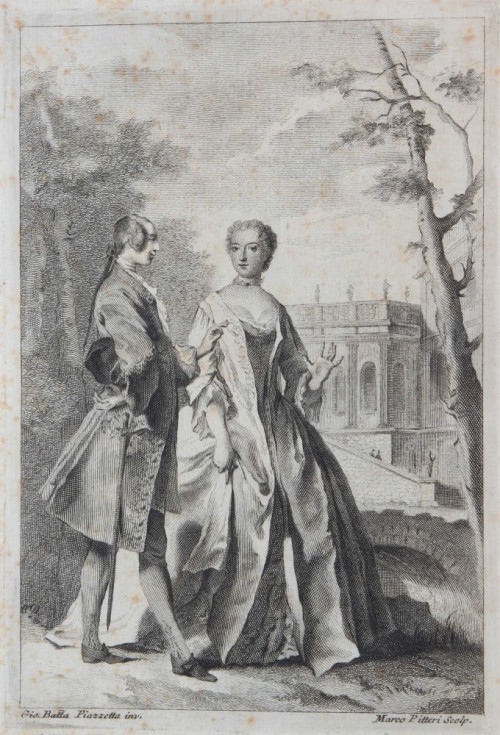
Sebastian Longchamps's <em>Mémoires sur Voltaire</em> (1824)
Writing in 1804, Longchamps suggests that sharing the bill at dinner, dîner en manière de pique-nique was stylish in the 1740s. Perhaps, but it was an old memory, and by then, dining en pique-nique was common. Longchamps explains that while in the employ of Emilie du Châtelet, a marquise, he supervised a festin (or soupé) […] read more
Napoleon's Last Picnic on St. Helena (1820)
Five years into his six-year exile on St. Helena, Napoleon was pale, tired-looking, and fat, though his face showed no fatigue or illness. Still, after a ten-mile journey on horseback (on hilly terrain), he uncharacteristically stopped for a social visit at Mount Pleasant, the home of William Doveton. Because he arrived in the morning and […] read more
Laurie Lee's <em>Cider with Rosie</em> (1959)
Among Lee’s vivid memories is a picnic by the sea, a grand event sponsored by the Slad church choir. It was a trek of fifty-one miles to Weston-Super-Mare that most of the townsfolk stuffed themselves into hired five charabancs [SHarəˌbaNG, -ˌbaNGk]. Lined up, the five omnibuses must have looked like some giant caterpillar chugging through […] read more
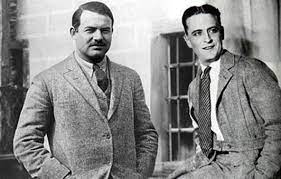
Ernest Hemingway’s <em>A Moveable Feast </em>(1964)
Hemingway’s “Scott Fitzgerald” in A Moveable Feast recounts their sudden friendship. Among his anecdotes is their picnic on a drive from Lyons to Paris in 1925. Hemingway was uneasy with Fitzgerald’s character peculiarities, especially his intolerance for alcohol and hypochondria. Unfortunately, it was a botched journey. From the start, it was rainy, and Fitzgerald’s Renault […] read more
Edmund Wilson and Mary McCarthy's Wellfleet Picnic (1942)
McCarthy and Wilson enjoyed sex and picnics in Wellfleet, Massachusetts. They often picnicked at the freshwater ponds dotting the mid-Cape, but during the summer of 1942, their marriage was wobbly. Wilson was fond of remembering his sexual relations with McCarthy. One outing at Gull Pond, where they enjoyed the pond’s freshwater, dined, and had sex. […] read more
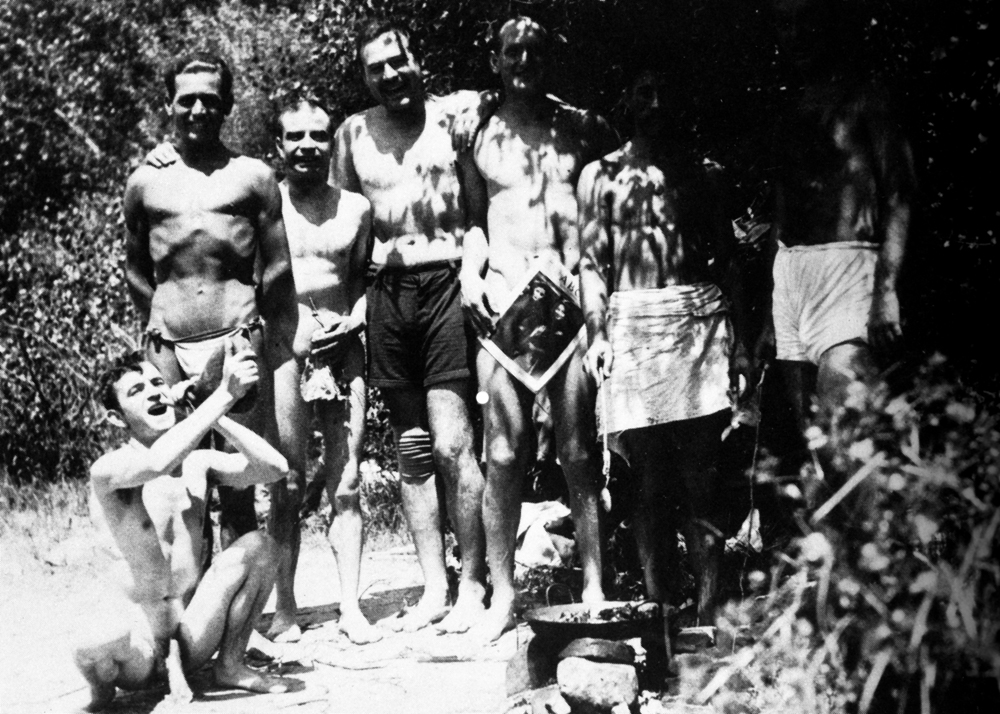
Ernest Hemingway's <em>Death in the Afternoon</em> (1932) and Sidney Franklin's <em>Bullfighter from Brooklyn</em> (1952)
Hemingway’s Death in the Afternoon and Franklin’s Bullfighter from Brooklyn recall their meriendas at “La Playa,” Franklin’s camp on the Manzanares River in the summer of 1931. Franklin recalls that he had time to play because he was recovering from an injury. They cooked paella, probably prepared by Franklin’s cook Mercedes. He says that Hemingway sometimes brought along his son Bumby (John), […] read more