
Menus
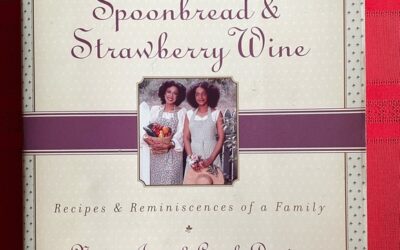
Norma Jean Darden and Carole Darden’s Spoonbread and Strawberry Wine(1994)
Norma Jean Darden and Carole Darden’s sisters have written a family food memoir. Spoonbread and Strawberry Wine is a short biography of their father, Bud Darden, Walter T. Darden, MD, with a picnic menu attached. The sisters’ family picnic memories at their home in Newark, New Jersey. The Dardans include some tips for a picnic, […] read more
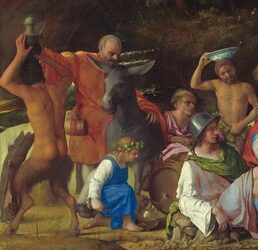
Lorenza De’ Medici’s Menu for Bellini’s he Feast of the Gods (1995)
De’ Medici’s was spired by Giovanni Bellini’s The Feast of the Gods to create this menu, which she says is full of the flavor of the Renaissance: Tuna Mousse/Spuma di Tonno Wild Boar in Sweet and Sour Chocolate Sauce/Cinghiale in Dolceforte Glazed Baby Onion with Raisins/Cipolle all’Uvetta Spiced Cannoli/Cannolly all Spezie Somebody forgot the wine. […] read more
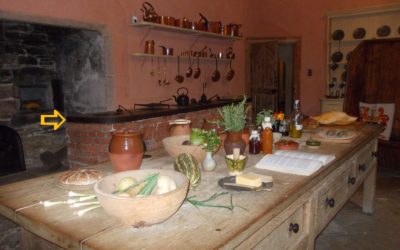
Maggie Black’s The Jane Austen Cookbook (1995)
Suggested contemporary picnic fare for jane Austen includes many dishes requiring extensive preparation. We know who does the eating, but who does the prepping and the cooking? Broccoli (served hot or cold) Salmagundi Oysters, Stewed and in Loaves A Pretty Dish of Eggs Sliced hard-boiled eggs quick-fried in butter seasoned with salt, pepper, nutmeg, and […] read more
James Beard’s Menu’s for Entertaining (1965)
Tucked into Beard’s many cookbooks are informative and playful suggestions for picnicking. He writes, “Wherever it is done, picnicking can be one of the supreme pleasures of outdoor life. At its most elegant, it calls for the accompaniment of the best linens and crystal and china; at its simplest, it needs only a bottle of […] read more
Lorenza De’ Medici’s Century Menu for Bellini’s The Feast of the Gods (1995)
Inspired by Giovanni Bellini’s The Feast of the Gods, Lorenza De’ Medici created this menu forth Artist’s Table (1995). De Medici promises foods are full of the flavor of the Renaissance. But it’s difficult to imagine Bellini or his patrons Alfonso d’Este, the Duke to Ferrara and his wife Lucrezia Borgia dining on Spuma di Tonno […] read more
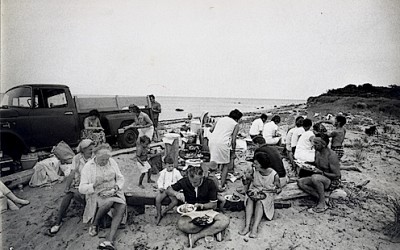
Pierre Franey’s Chefs’ Picnic on Gardiners Island (1965)
Franey, executive chef of Le Pavilion, New York’s only four-star restaurant, and Craig Claiborne, the New York Times food critic, planned an August picnic on Gardiners Island. * It was staged in August 1965 and ironically reported in a Life magazine issue featuring the Watts Riots in Los Angeles. The story headline, with photographs by […] read more
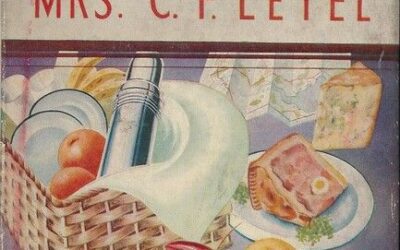
C.F. Leyel’s Picnics for Motorists (1936)
Leyel’s Picnic for Motorists is designed for an emerging market linking the joy of picnics with the pleasure of motoring. “There are many people with cars who make a regular habit of spending Saturday or Sunday in the country,” Leyel trills, “with a hamper of food, they are independent of hotels and can eat their […] read more
Alice Waters’s Picnic Recommendations (2001)
When Food & Wine magazine asked Alice Waters, “What would you eat for a summer picnic?” she suggested a take-out picnic because she did not want to cook, especially on a day off. Her picnic prepared by her favorite Japanese restaurant would be grilled chicken wings, a spinach salad, and sushi (to be eaten with […] read more
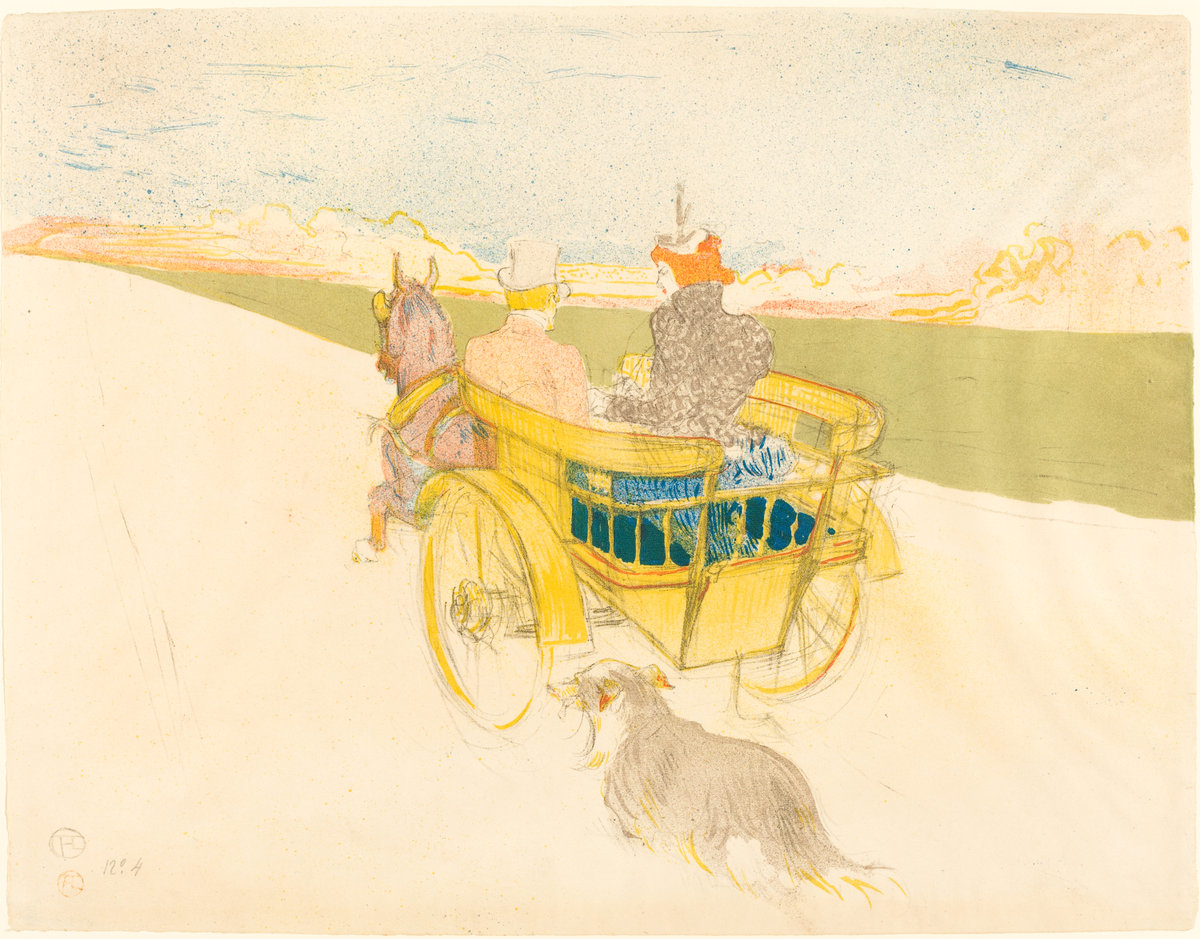
Henri de Toulouse-Lautrec’s Partie de Campagne (1897)
Henri de Toulouse-Lautrec’s Partie de Campagne, an 1897 lithograph, depicts a couple going off to spend a day in the country. Lautrec makes a visual pun by having a dog run behind the conveyance known as a dogcart. According to French usage of the day, Lautrec prefers the euphemism for partie de campagne. Julia Child […] read more
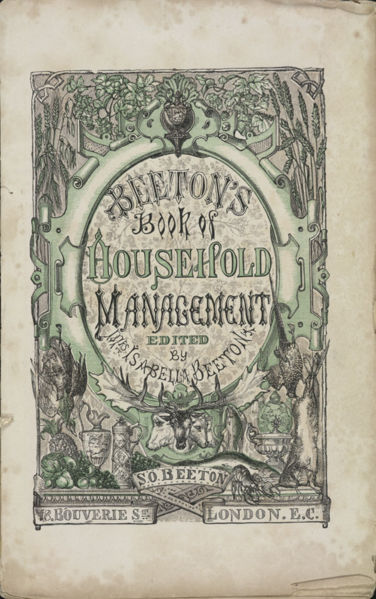
Isabella Beeton’s The Book of Household Management(/em> (1861)
Beeton’s picnic entry appears almost as an afterthought in the last chapter of Household Management. As with other formal dinner suggestions, the picnic is not a casual affair but a staged “dinner held in the “rough.” Where Beeton situates her picnic is left unmentioned, perhaps a public park, a garden, anyplace suitable for a group of […] read more
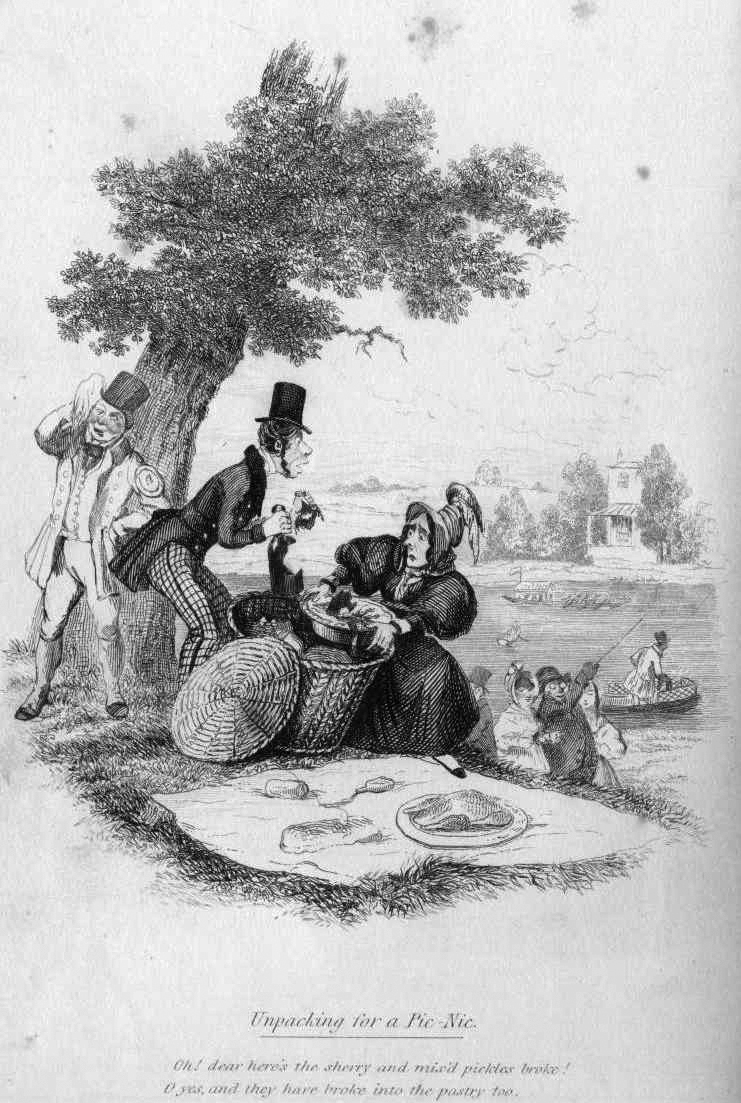
Robert Seymour’s The Pic-Nic II (1836c.)
Seymour’s picnics sketches show a keen awareness of their potential for humor and satire. Especially if they’ve gone wrong. Unpacking for a Pic-Nic, for example, pokes fun at what breaks in a basket, as the legend makes amply clear, “Oh! Dear, here’s the sherry and mix’d pickles broke!” O, yes, and they have broke into […] read more
Amanda Hesser’s Cooking for Mr. Latte (2004)
Hesser’s “Fine Dining in the Sky,” from Cooking for Mr. Latte, A Food is a fussy gourmet’s admission that she packs a bulky in-flight bag as if it was a flying coach a picnic cooler. She wants us to believe that she for a flight to Spain, she packed bottled water, roasted salted almonds, goat cheese, […] read more
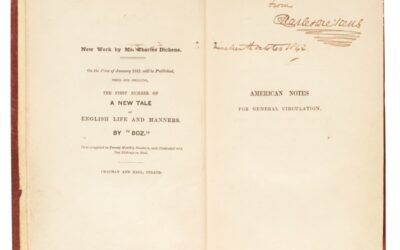
Charles Dickens’sAmerican Notes for General Circulation (1842)
“A Jaunt to the Looking-Glass Prairie and Back” left Dickens with mixed feelings. The weather was hot and the journey tedious, but the picnic on Looking-Glass Prairie” was something Dickens wanted, mostly because he had been told that any sightseer should not miss its grandeur. The expedition set out from St. Louis, Missouri, where they […] read more
Kate Atkinson’s Behind the Scenes at the Museum (1995)
Atkinson’s satirizes a Sunday School outing by making it a continuous set of missteps that leave the three Lennox children, Clifford, Babs, and Bunty, in such a rush to the train station that only two of them make it. The problem is that Nell Lennox, their disorganized mother, decides to make scones as their contribution […] read more
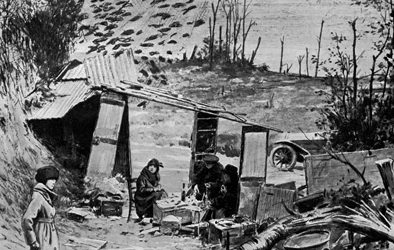
Illustrated London News’s Picnics on the Old Front” (1919)
When the war began in 1914, picnic baskets were shelved. But when the peace was negotiated at Versailles in June 1919, wickers were dusted off and repacked. Signaling the change, The Illustrated London News editors suggested that it was time for picnicking—in the trenches on the French front of the battlefield, “Picnics on the Old […] read more