
Lust & Rape

Günter Grass’s The Flounder (1977)
Günter Grass’s topsy-turvy picnic in The Flounder mocks all the accepted ideas of a picnic. It’s celebrated on Ascension Day, when Jesus ascended to heaven in the presence of the Apostles, and as Father’s Day in Germany. But Grass‘s picnickers are four women, lesbians, masquerading as men. Picnics are pleasant, but Sybille, aka Billie, is […] read more
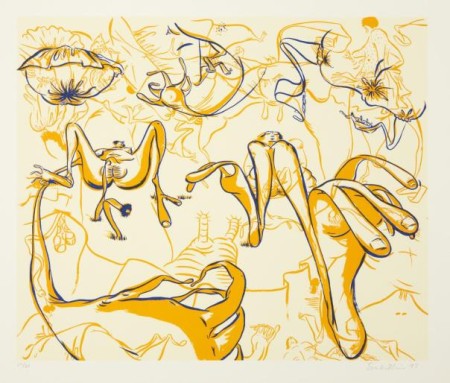
Sue Williams’ Disconsolate Picnic (1997)
Bad day, worse picnic! Featured Image: Sue Williams. Picnic (from Whitney Biennial Portfolio). Lithograph. (1997) read more
Émile Zola’s Madeleine Férat (1868)
Zola’s Madeleine Férat is dedicated to Édouard Manet. Defying the critical mainstream, Zola accepted Manet’s visual realism and his frank sensualism of Le déjeuner sur l’herbe and Olympia, which Zola defended against adverse criticism. Zola’s eponymous protagonist, Madelaine Ferat, is portrayed as being aggressive like Manet’s model Victorine Meurent in Le dejeuner sur l’herbe. Unfortunately, Madelaine’s […] read more

Thomas Hart Benton’s Persephone (1938)
Persephone’s abduction by Hades, sometimes Pluto, is rife with sexual predation and seasonal change. In Theogony, Hesiod says that while gathering asphodels with the daughters of Oceanus, Persephone is abducted and taken to Hades, where she rules as the Iron Queen. After much perturbation by her mother, Demeter, Persephone can return to the world for […] read more
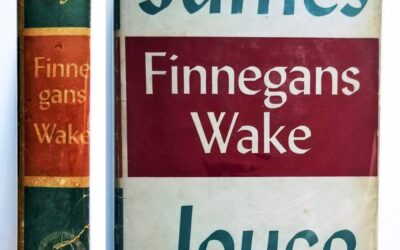
James Joyce’s Finnegan’s Wake (1939)
A hodge-podge of wordplay. Joyce’s Finnegan’s Wake (1939), links picnics with lust. You won’t need be lonesome, Lizzy my love, when your beau gets his glut of cold meat and hot soldiering or wake in winter, window machree, but snore sung in my old Balbriggan surtout. Wisha, won’t you agree now to take me from […] read more