
Poetry

William Wordsworth’s <em>The Excursion</em> (1814)
Wordsworth’s lines reveal the sudden beauty a picnicker might encounter, which triggers pleasure and spiritual ease at an evening picnic: Ah! That such beauty, varying in the light Of living nature, cannot be portrayed By words, nor by the pencil’s silent skill; But is the property of him alone Who […] read more
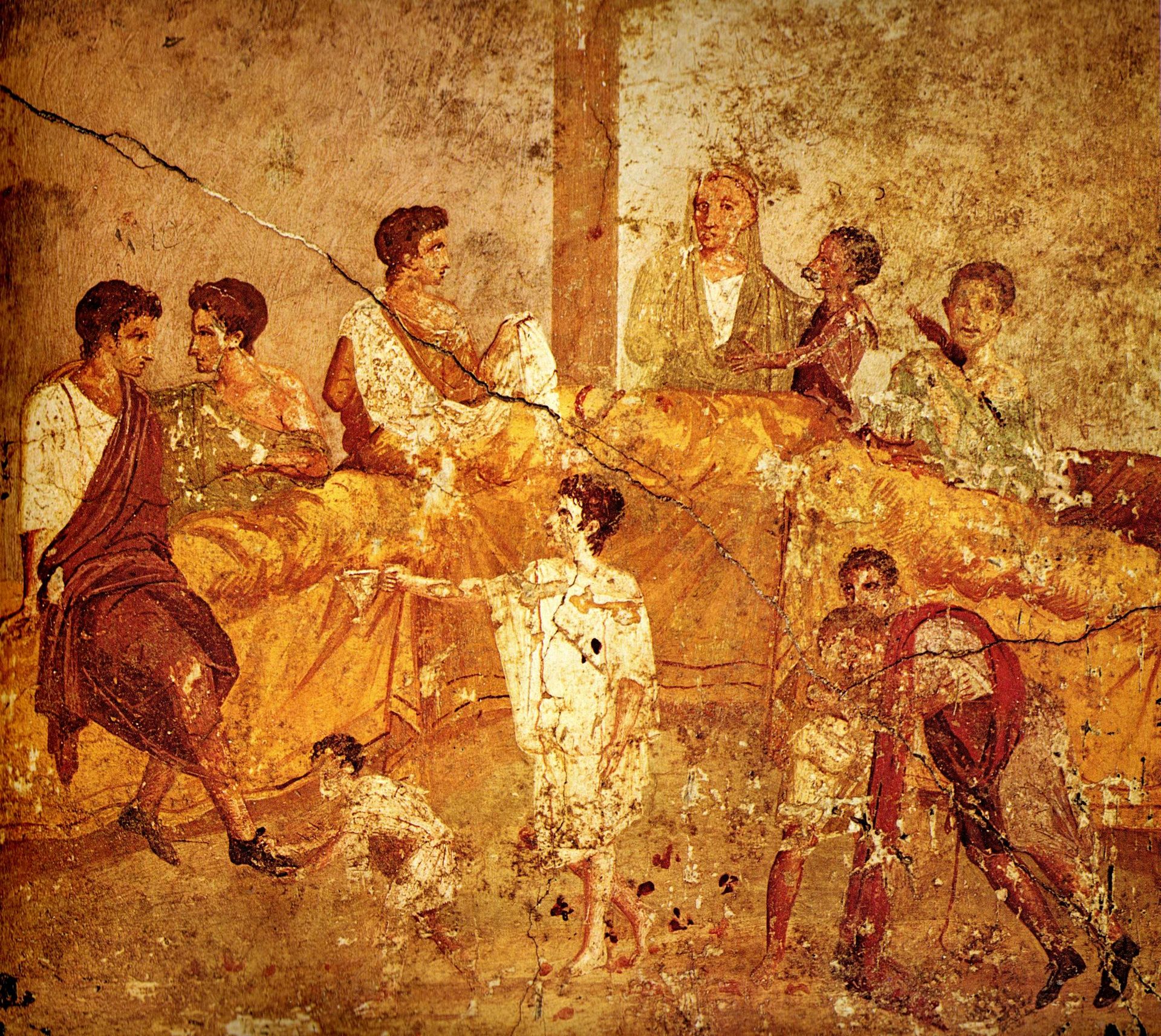
Horace's "De Mure Urbano et Mure Rustico" or "The Country Mouse and the Town Mouse" (35-34 BCE)
Horace delights in a rustic country dinner resembling eranos, the Greek custom of dining where each guest contributes something. A guest might contribute money, food, drink, or entertainment. Horace’s adaptation of this custom required that his guest provide entertainment by conversation or telling a story. It’s real talk, Horace believes, not the social simper that […] read more
Vladimir Nabokov’s “The University Poem” (1926)
Nabokov’s “The University Poem” (1926) marks the decline of a love affair at a punting picnic on the River Cam in Cambridge. In what ought to be a happy scene of lovers on the Cam, a teem rivers full of punts bordered by tawny Gothic buildings and green lawns, and white flowering chestnut tree, the […] read more
Carl Sandburg's "Picnic Boat" (1916)
Sandburg’s “Picnic Boat” is a snapshot of the aftermath of a Sunday picnic. It’s a visual and musical image picnicker returning at the end of a long leisurely day. Sunday night and the park policemen tell each other it is dark as a stack of black cats on Lake Michigan. A big picnic boat comes […] read more
Jorie Graham's "Picnic" (1992)
Graham’s “Picnic” is a young girl’s bitter remonstrance of a mother betrayed by a father who is a serial adulterer. The poem’s narrator, about twelve years old, has a compulsive need to retell this story of a picnic, her father’s infidelity, and her mother’s knowledge of it. The picnic begins well It was a day […] read more
Bill Manhire’s “How to Take Your Clothes Off at a Picnic” (1977)
Manhire’s “How to Take Your Clothes Off at a Picnic” (1977), Sheet Music: Poems 1967-1982 (1996) is a humorous riff on picnic adultery: It is hardly sensuous, but having Eaten all the cold meat and tomatoes You forget to remove your trousers And instead skip stones across the river With some other man’s wife . […] read more
Richard Brautigan's Em>Loading Mercury with a Pitchfork </em> (1976)
Brautigan’s “I’ll Affect you Slowly” from Loading Mercury with a Pitchfork is a bit of humor. It’s about a sly attempt at seduction that may or may not have been successful. I’ll affect you slowly as if you were having a picnic in a dream. There will be no ants. It won’t rain. No menu […] read more
Louis Gluck's "Noon" (2007)
The setting for Gluck’s “Noon” is about lost innocence. It’s a picnic at which two youths engage in a sexual act without considering what happens next. The unanswered question it whether this is an act of lust or love. Noon is meant to suggest the symbolic time at which youth tips into maturity: The sky’s […] read more
Oliver Goldsmith’s “Retaliation” (1774)
Goldsmith’s “Retaliation” left unfinished at his death, alludes to dining “en piquenique” with mentioning the word. Motivated for being slighted by his friends, Goldsmith decided to get even at the dinner table. Attempting to get even with slights endured from erstwhile friends, Goldsmith invites them to a dinner party to which each brings a contribution […] read more

Omar Khayyám’s The Rubáiyát of Omar Khayyám (1100c.)
Omar Khayyam is better known for his love poems than his philosophy. His vision of lovers picnicking is in Rubáiyát “XI” in the collection of his poetry titled The Rubáiyát of Omar Khayyám, most often read in Edward Fitzgerald translation: A Book of Verses underneath a Bough, A Jug of Wine, a Loaf of Bread-and […] read more
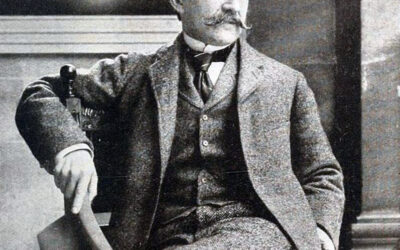
Thomas Hardy's "Where the Picnic Was" (1913)
Hardy’s poems reveal an unhappy life with his wife, Emma Gifford. Perhaps the most definitive is “Where the Picnic Was,” in which he attempts to resolve their often “horrid shows” ends definitively: – But two have wandered far From this grassy rise Into urban roar Where no picnics are, And one–has shut her eyes For […] read more
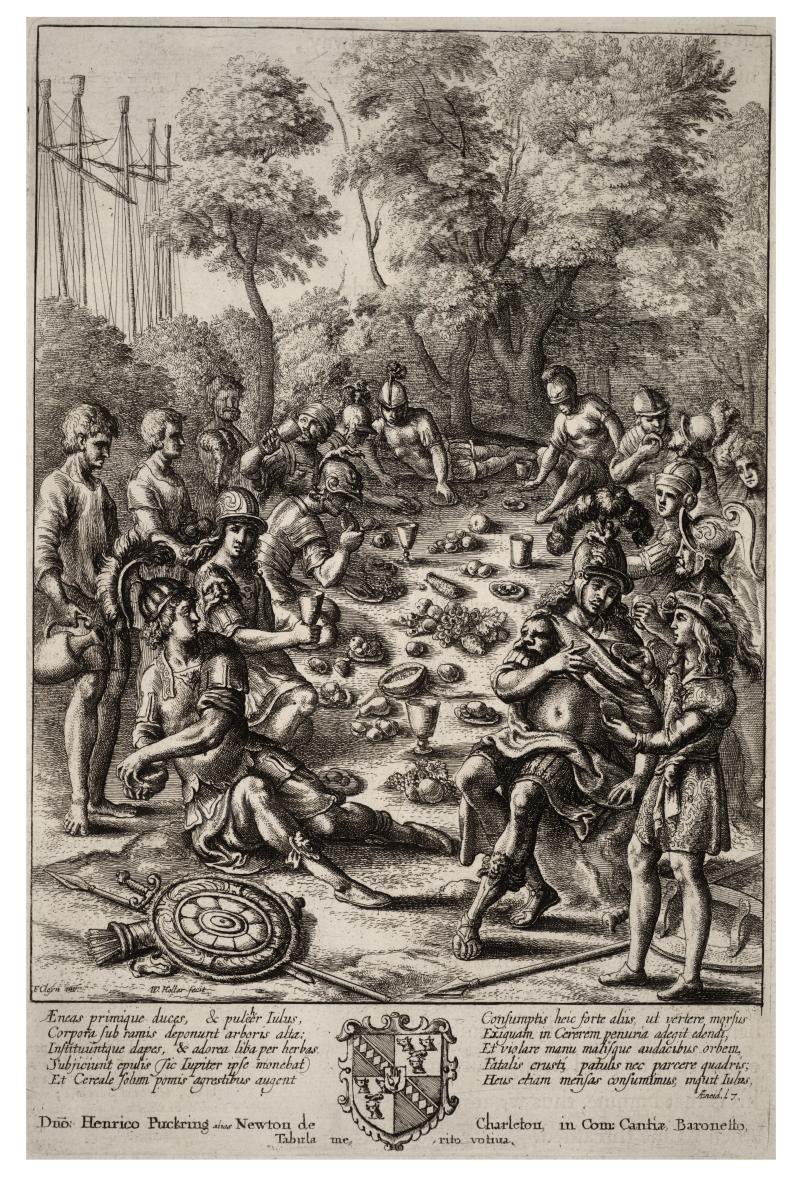
Wenceslaus Hollar's <em>The Trojans' First Meal in Latium</em> (1654)
Hollar illustrates the key moment in Virgil’s Aeneid (19 CE) when Aeneas realized that he had reached the land where he would build a new city where Trojans would prosper. The chosen moment is when Aeneas and his crew bivouac in a forest clearing in Latium and dine on skimpy provisions. But when Aeneas’ son Ascanius […] read more

Rita Dove's "Wingfoot Lake" (1986)
Dove’s collection of poems Thomas and Beulah is a history of her mother Beulah and her father Thomas’ life together from their courtship to his death. “Wingfoot Lake,” subtitled “Independence Day,” signifies the Fourth of July. More importantly, it suggests Beulah’s independence, recognition that she is single and sees herself for what she is now […] read more
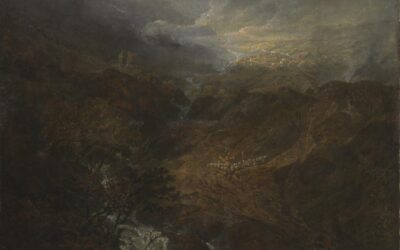
William Wordsworth's <em>The Prelude</em> (1850)
Sometime in 1798-1799, the date is unclear; Woodsworth describes a picnic in The Prelude. He does not refer to this adventure as a picnic because the word was unknown to him at this time. He probably became familiar with the word a decade later because John Wilson invited him and his sister, Dorothy, to picnic […] read more

John Milton's <em>Paradise Lost</em> (1667/74)
Milton never uses the word picnic or any synonym but knows the concept and uses it freely for satiating Adam and Eve in Paradise before the Fall in Paradise Lost. Because they had no means of cooking, Milton supposes that Adam and Eve were inadvertent Vegans picnicking at every meal with available vegetation and that […] read more

Agatha Christie’s <em>Poems</em> (1973)
Casual readers usually neglect Christie’s poems, but her inner life is there and not in Marple’s or Poirot’s. “Picnic 1960” suggests Christie never lost her sense of her good life. In the final poem of the volume, Christie makes the case that she has tender feelings about her age and her life’s worth at seventy […] read more
Billy Collins's "Picnic Lightning" (1997)
Aware that the phrase “picnic lightning” is from Nabokov’s Lolita, Collins emphasizes happenstance and stresses the notion that life is a pattern of growth and decay and growth. Humbert’s ‘picnic lightning” is associated with his dead mother, sexual obsessions, and murder. Collins is softer and more accessible makes his thoughts a meditation on gardening. Collins […] read more

Charles Simic's "Night Picnic" (2001)
Simic’s “Night Picnic” defies picnic expectations. Instead of daylight, there is a very dark vast starless sky. Instead of romancing or jollity, a man and woman sit on the grass without communicating. The narrator finds it slightly ironic that they should be drinking red wine and nibbling a crust like a mouse in such a […] read more

Charles Coe's <em>Picnic on the Moon</em> (1999)
Charles Coe’s poem “Picnic on the Moon,” Picnic on the Moon (1999), is not sci-fi. It’s a critique of human violence and enmity on Earth set against the Moon’s tranquility and quiet. The Moon sounds like the perfect picnic spot- a great place to bask in the warm solar breeze and take a break from […] read more
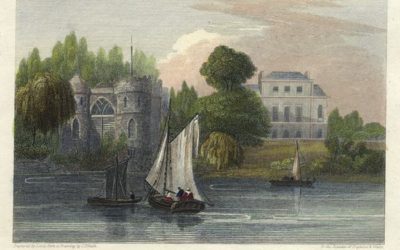
Lady Elizabeth Craven’s “What is a Pic Nic?” (1803?)
From 1780-1820, “Dilettanti,” or amateur theater aficionados, organized theater groups. Among the most passionate, Louise Craven, Margravine of Ansbach, who wrote plays, produced and acted in them, persuaded her doting husband, the Margrave of Ansbach, to build her a two-hundred-seat theater at their estate, Brandenburgh House (on the Thames in Middlesex). During the social seasons […] read more
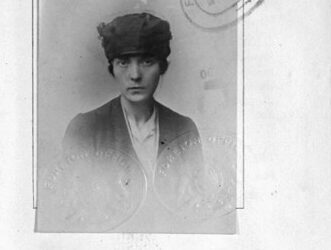
Katherine Mansfield's "A Pic-Nic" (1919)
Mansfield was in Bandol, a sea resort in the south of France, where she hoped to regain health and stability. However, her time there was unhappy, exemplified by “Pic-Nic,” a poem hinting that her state of mind was no picnic. Perhaps because it was too dark, she never completed it. Mansfield’s low spirits suggest a […] read more
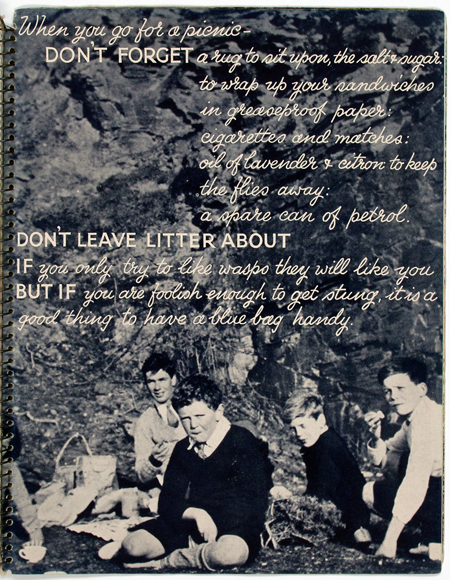
John Betjeman's "Trebetherick” and Other Picnics (1940)
Betjeman’s picnics are filled with the nostalgia of his youth. The earliest appears in Cornwall (1934), a series of The Shell County Guides that he and John Beddington conceptualized. A photograph of boys at a picnic (perhaps Betjeman among them ) shows the group seated on the grass beside what Betjeman calls a “rug.” “When […] read more
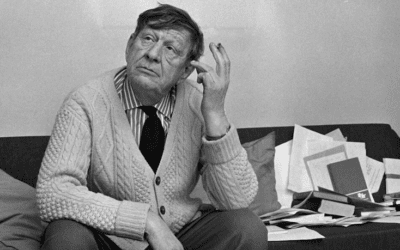
Auden's "Thunder at a Picnic" (1965c.)
When Auden was twenty-four and just starting as a poet, he placed himself on the lower slope of Mount Parnassus, sacred to Apollo and the Muses of the arts, where he might find his place at a “picnic on the lower slopes” with minor poets. Thirty-plus years later, older and somber, Auden wrote a haiku […] read more
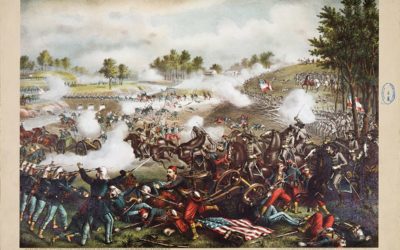
Herman Melville’s “The March into Virginia Ending in the First Manassas (July, 1861)” (1866)
The phrase “No picnic in May” was already a cliché in July 1861 when Melville wrote in the aftermath of Bull Run, also known as the Battle of Manassas. It was an unexpected defeat for the Union army that deflated expectations of an easy victory against the Confederacy and indicated a protracted war: Who here […] read more
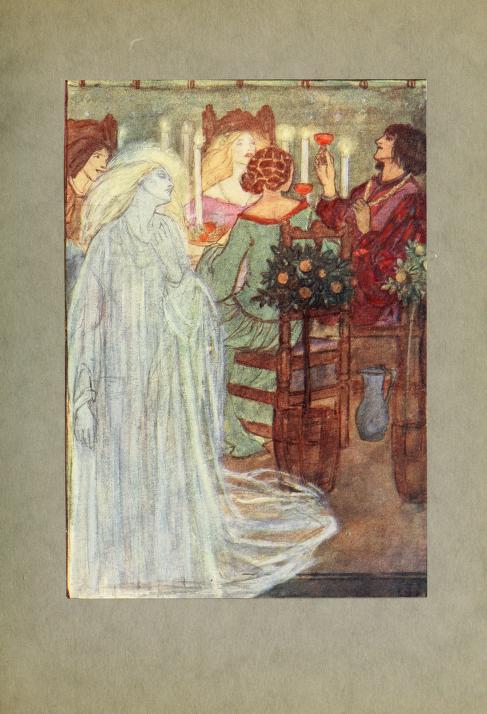
Christina Rossetti’s “At Home” (1858)
Rossetti’s “At Home” (1858) was initially titled “After the Picnic.” but when her brother Dante declared picnics frivolous and insisted on a change, Ms. Rossetti complied. It’s known Rossetti composed the poem after attending a real June picnic with her friends, the Bell Scotts in Newcastle. It was not a happy picnic because she imagined […] read more
Charles Bukowski's "Some Picnic " (1979)
Charles Bukowski’s “Some Picnic” is mean-spirited –what a picnic ought not to be. I rank it among the most unpleasant and psychologically cruel. When Bukowski says he, his girlfriend Jane and his parents picnicked and “made a nice/foursome,” he means the situation was fraught with anxiety because “my parents hated her/I hated my parents.” When […] read more
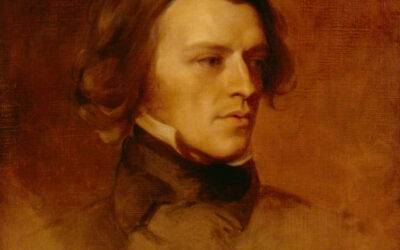
Alfred Tennyson's “Audley Court” (1838)
It’s one of Tennyson’s most popular shorter poems and is so sincere that readers believe Audley Court is a real place and search for it in the environs of Cambridge. The opening lines are among Tennyson’s most remembered. The Bull, the Fleece are crammed, and not a room For love or money. Let us picnic […] read more
Virgil's <em>Aeneid</em> and the Trojans' First Meal in Latium
A prophecy held that Aeneas and his crew of Trojans would know where to build a new Troy when, being desperately hungry, they ate their plates—trenchers made of thick slices of stale bread. This revelation occurs at their first meal in Latium. Virgil’s details, translated by Dryden among many others, are that they dined at […] read more
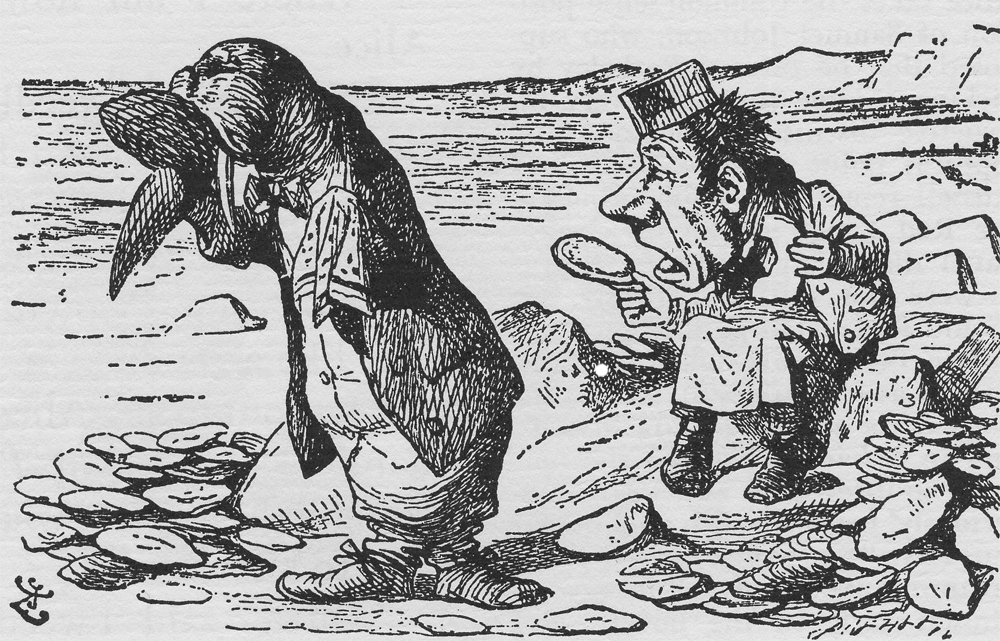
Lewis Carroll's <em>Through the Looking-Glass, and What Alice Found There</em>: The Walrus and the Carpenter (1871)
Carroll upends beach picnic expectations in Through the Looking-Glass and What Alice Found There (1871). Still, its tenor is darkly mocking, qualities evident in Tweedledee’s poem “The Walrus and the Carpenter” Of course, everyone laughs at the silly young oysters that ignore an elder’s advice and get duped into picnicking out of the water. The lure of adventure […] read more