
2000-present
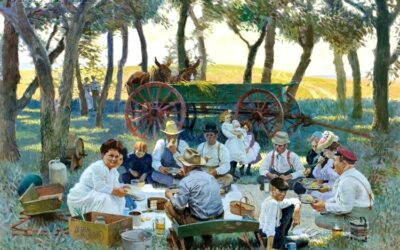
John Philip Falter's <em>Prairie Grove Picnic</em> (1977)
Falter was a commercial artist and illustrator mostly known for his Saturday Evening Post magazine covers. Featured Image: John Philip Falter Prairie Grove Picnic. Oil on Linen (1947) read more
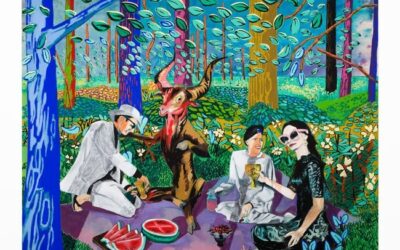
Theodore Boyer's <em> Luncheon with the Devil</em> (2012)
The Devil is portrayed as a smiling horned goat enjoying a picnic with a man and two women dressed in contemporary clothing. The food is watermelon. There is a story for this picnic that is yet to unfold. Featured Image: Theodore Boyer. Luncheon with the Devil. Oil and casein on dyed canvas (2022) read more
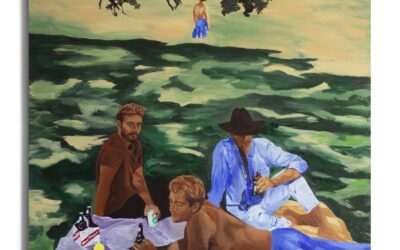
R.F. Alvarez's <em>Luncheon on the Pasture</em> (2022)
Beer and apples. Featured Image: Luncheon on the Pasture, acrylic on canvas. read more
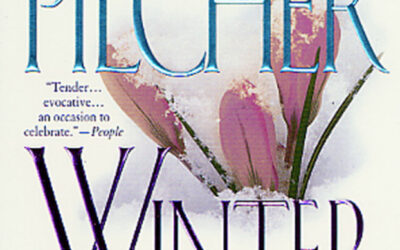
Rosamunde Pilcher's <em>Winter Solstice, A Novel</em> (2000)
After much tribulation, Elfirida Phipps Oscar Blundell and friends gathered at a Christmas Eve picnic for the start of a happy future. The timing purposefully combines the celebration of the birth of Jesus Christ and the winter solstice that is the beginning of the celestial new year; both bring tidings of good cheer. As Pilcher […] read more
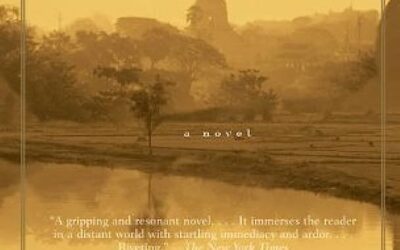
Daniel Mason’s <em>The Piano Tuner</em> (2002)
Mason’s The Piano Tuner is an adaptation of Conrad’s The Heart of Darkness. Edgar Drake, the piano tuner, is Charlie Marlow, and Anthony Carroll, Surgeon-Major in the British Army, then annexing Burma. Carroll is accused of setting up his state in defiance of British authority, and Drake is an unwitting dupe in the conflict. Unlike […] read more
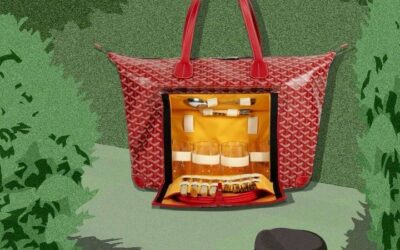
Guenola Pellen’s zany etymology of <em>pique-nique</em> for <em>La Maille a Pique-nique Goyard</em> (2016)
Pellen’s copy for Goyard’s picnic bag is mainly her invention. “The term itself,” she writes, “—a contraction of the expression “piquer (meaning to nibble) des nique (things of little value)” –was coined in the 13th century. During the Middle Ages, the picnic is a frugal pursuit undertaken by French aristocracy while hunting or travelling.” See […] read more
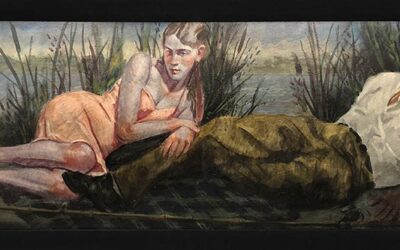
Mark Beard, aka Bruce Sargeant <em>Boy and Girl with Picnic Basket in Afternoon Sun</em> (no date)
Bruce Sargeant is a persona of Mark Beard. The picnic is a pleasantly simple: he is asleep, and she is awake, staring into space. A picnic basket sits idly in the far corner. Boy and Girl is large, 26.5 x 87 inches. read more
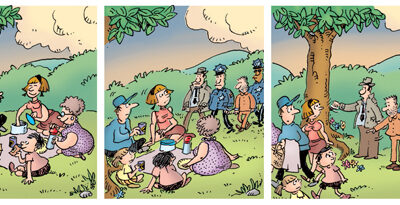
Sergio Aragonés’s “Crime Scene Picnic” (2018)
Sergio Aragonés’s comic imagination upends a happy picnic. Featured Image: Sergio Aragonés’s “Crime Scene Picnic.” 3, 2018. read more
William Boyd’s <em>Sweet Caress </em> (2015)
Amory Clay, the central character, describes a solitary picnic for herself. She is recovering from childbirth trauma. A healthy baby suddenly dies. Amory is depressed, but one day she takes a moment to find solace. “Today was one of those weird Mediterranean moments you are sometimes blessed with on the west coast of Scotland. A […] read more
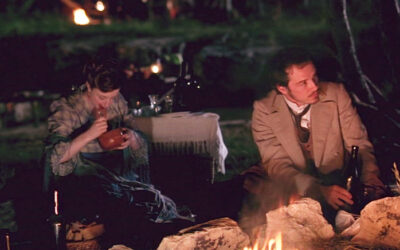
Dover Kosashvili's <em>The Duel</em> (2010)
Kosashvili’s picnic is comic and glum, as Chekhov intended. While other picnickers enjoy the view, Laevski, the protagonist, says, “To be in continual ecstasy over nature shows a poverty of imagination.” Laevski is a man who cannot enjoy himself, especially at a picnic. The picnickers get drunk as the picnic progresses from late afternoon to […] read more
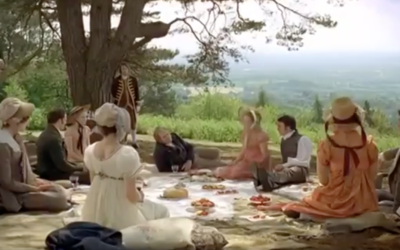
Jim O'Hanlon's <em>Emma </em> (2009)
O’Hanlon supposes Box Hill picnic must be a combination of informality and gentility. Servants carry amenities for a regiment so that Emma, Knightley, et al. sits on a sparkling white cloth (with cushions, of course) drinking wine in crystal goblets, served by staff. A roast turkey or capon is propped on the cloth, uncarved and […] read more
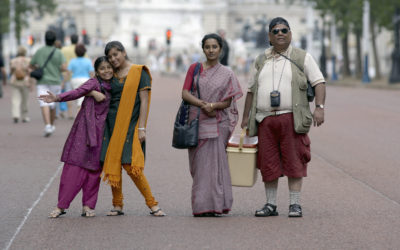
Sarah Gavron’s <em>Brick Lane</em> (2007)
Gavron’s picnic in Brick Lane retells Monica Ali’s Bangladeshi family, outwardly happy but inwardly troubled in London’s East End. After twenty years, Nazneen’s arranged marriage to Chanu Ahmed is wobbly. The picnic is supposed to be a lark, but it’s a kind of torture for Nanzeen. About sixty, paunchy and jobless, Chanu decides that he […] read more
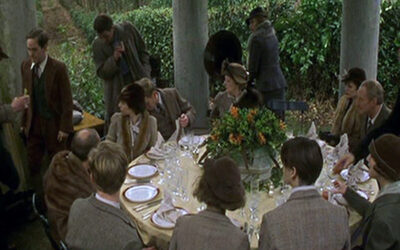
Robert Altman’s <em>Gosford Park</em> (2001)
Altman’s fall shooting party and lunch in Gosford Park is a metaphor for social rot in English aristocracy and their servants circa 1932. The pheasant hunt takes place on a cold rainy day in October at which the lord of the manner, Sir William McCordle, brutally presides. The lunch is without conviviality, and as entertainment, […] read more
Susanna White’s <em>Parade’s End </em> (2012)
Christopher Tietjens’ life with his wife Sylvia is no picnic. There are ample instances of Sylvia’s inconstancy in his Parade’s End, but this picnic episode is not one of them. That’s why it seems likely that Susanna White and screenwriter Tom Stoppard added a picnic to their screenplay of Ford’s novel. It is designed to […] read more
Tom Harper’s <em>War and Peace</em> (2016)
For six hours and 17 minutes, Tom Harper’s War and Peace is a parade of armies marching or in battle, explosions, mutilations, death, love and seduction, incest, and constant social intrigue. The final 2:8 minutes is a picnic, a happy situation, if not a fairy tale ending fabricated to bring the narrative to a memorable […] read more
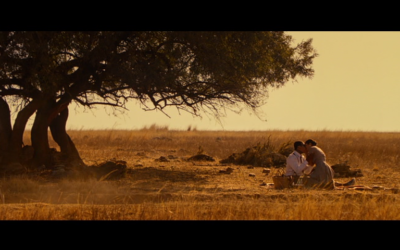
Justin Chadwick's <em>Mandela: Long Walk to Freedom</em> (2013)
Chadwick’s picnic is perfunctory and idealized. Chadwick and his screenwriter William Nicolson liked the idea of a lovers’ picnic because the narrative needed a romantic interlude. Mandela’s autobiography does not mention a picnic during his courtship of Winnie Mamzamo Madikizelain. This is true; at the time, Mandela was married and awaiting trial for treason, but […] read more
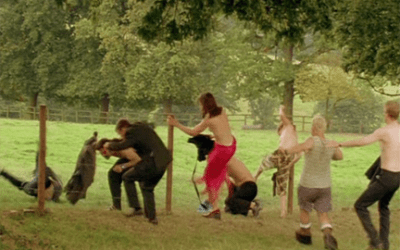
William Marsh's <em>Dead Babies</em> aka <em> Mood Swinger</em> (2001)
Marsh’s Dead Babies, Mood Swingers in the U.S., is a satire of a picnic disaster. If this satire is meant to be crude, it succeeds admirably. If satire aims to amuse, Dead Babies fails miserably. Ditto Martin Amis’s novel on which the film is based. The picnic begins pleasantly upbeat and then spirals downward. Fueled […] read more
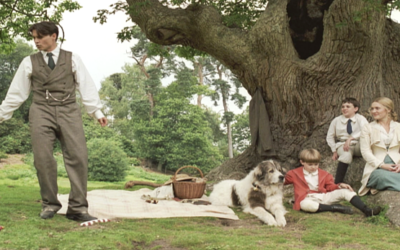
Marc Forster’s <em>Finding Neverland</em> (2004)
Whether or not Barry and the Llewellyn Davis family picnicked in Kensington Park (or any park) is moot. Assuming they did, Forster’s Finding Neverland, with a screenplay by David Magee, fictionalizes three picnics that mark significant moments in Barrie’s relationship with the Llewellyn Davises. The first and most important picnic occurs in Kensington Park when […] read more
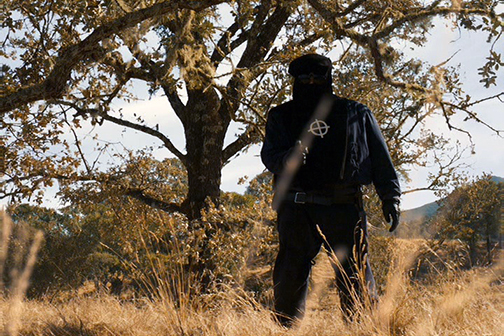
David Fincher's <em>Zodiac</em> (2007)
Fincher’s Zodiac adapts Robert Graysmith’s obsessive reporting of serial killings in the San Francisco Bay area, named after the killer who identified as Zodiac. The murders began at a picnic in 1968 and did not stop until 1978, by which time 37 people. Fincher takes liberties with the text, altering details, etc. But he’s faithful to […] read more
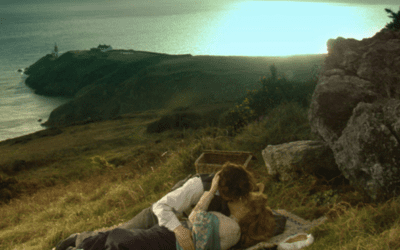
Sean Walsh’s <em>Bloom</em> (2003)
Some aficionados of Ulysses remember the picnic at which Molly, then Marian Tweedy, seduced Leopold Bloom at a picnic at Howth Head around 1888. The lovers traveled to the outskirts of Dublin, where they made love among the wild rhododendrons and ferns. It is a climactic moment in Molly’s memory of the day and one […] read more
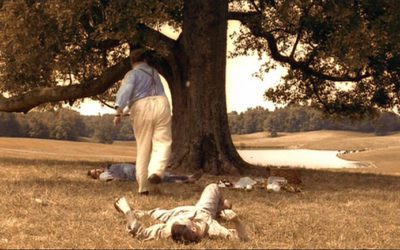
Joel Coen and Ethan Coen's <em>O Brother, Where Art Thou</em> (2000)
In The Odyssey, the one-eyed giant Polyphemus is a cannibal who lives in a cave, but in Ethan Coen and Joel Coen’s O Brother, Where Art Thou?, he’s at a picnic eating chicken, pickles, and drinking beer. The Coens claimed they did not read The Odyssey, but someone on staff did, especially Book 9, Ulysses’s […] read more
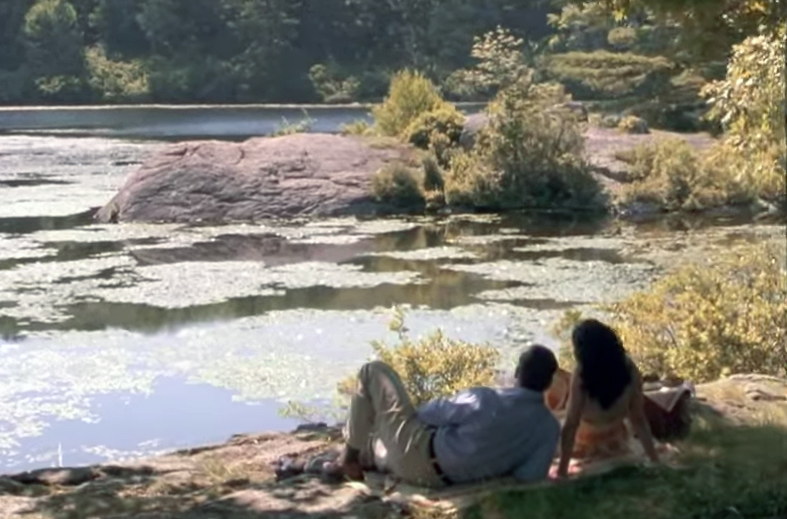
Ron Howard's <em>A Beautiful Mind</em> (2002)
It’s unknown if Nobel Prize-winning mathematician John Nash ever picnicked. His biographer Sylvia Nasar doesn’t mention any. Undeterred by the lack of biographical information, Ron Howard and screenwriter Akiva Goldman invented a picnic to add narrative interest showing Nash’s quirky personality. It’s an afternoon date on which Nash makes love to his sweetheart Alicia Lande. […] read more
Tom Hooper’s <em>Daniel Deronda</em> (2002)
Harper’s archery picnic is faithful (more or less) to George Elliot’s Daniel Deronda. It’s a picnic archery meeting for women only. Elliot uses the sport as a metaphor for gender relationships. Archery is a variation of the goddess Diana hunting, except here, the women wander through woodland aiming at painted game targets. The women seem […] read more
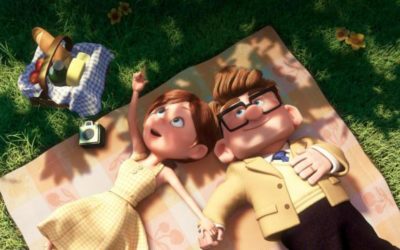
Pete Docter and Bob Peterson’s <em>Up</em> (2009)
The newlyweds, Carl, Carl and Ellie Fredricksen dream of their future at a picnic. Walking out into the countryside, Karl and Ellie spread a picnic on the grass. Then, looking at the sky, they dream of a family. Alas, their romantic dreams of visiting Paradise Falls are never fulfilled. Ellie dies, and Carl becomes a […] read more
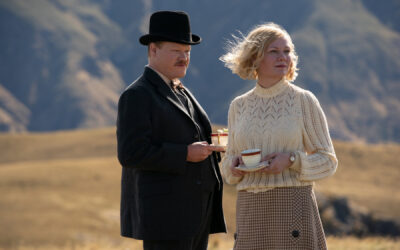
Jane Campion’s <em>The Power of the Dog</em> (2021)
Though it’s February and light snow is on the ground, Rose Burbank stops for a picnic. She’s romancing George Burbank, a good-hearted, undemonstrative rancher. He’s thinking about his automobile and what it would be like to have a more luxurious model, a Pierce. So, when Rose says, “This looks like a good place.” George’s train […] read more
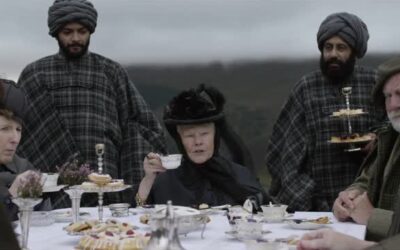
Stephen Frears’s <em>Victoria and Abdul</em> (2017)
F For Victoria and Abdul, Stephen Frears and writer Lee Hill portray Queen Victoria as the willing victim of a “typical glum-and-cold” British picnic. Unwilling to be put off by an oncoming thunderstorm, cold, and wind, Victoria insists on picnicking on the heath. It’s. The screenplay describes the picnic as Frears filmed it. It […] read more
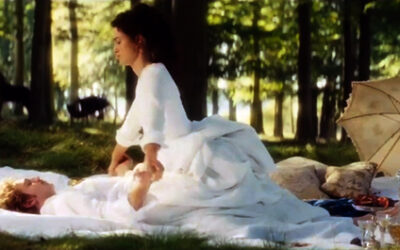
Anna Karenina's Picnic in Joe Wright’s <em>Anna Karenina</em> (2012)
Wright’s Anna Karenina takes liberties by inventing a picnic that the screenplay by Tom Stoppard suggests is “a lovers’ idyll, by a stream on a warm day.” The picnic episode isn’t Tolstoy’s. As far as I know, there aren’t any picnics in his fiction or other works. However, there is a brief picnic episode in […] read more
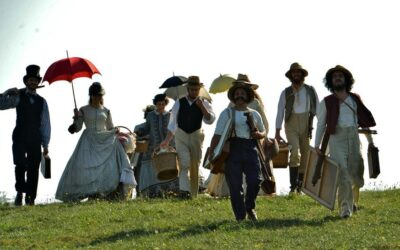
Danièle Thompson’s <em>Cézanne et Moi</em> (2017)
Mixing fact with fiction, Danièle Thompson (very) loosely retells the complex friendship of Emile Zola and Paul Cézanne in Cézanne et Moi, especially how Cezanne helped Zola see from a painter’s point of view. Though they were childhood friends in Aix and later in Paris as young men, their friendship eventually stuttered and stalled. Thompson’s […] read more
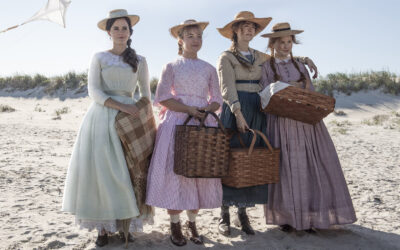
Great Gerwig’s <em>Little Woman</em> (2019)
There are two picnics in Gerwig’s Little Women: a wedding picnic and a beach picnic. The first is Meg March and Mr. Brook’s reception. As in Alcott’s novel, it’s “a plentiful lunch of cake and fruit, dressed in flowers.” But Gerwig’s foods include wine, lemonade, and coffee. The happiness is marred only by Aunt March’s […] read more
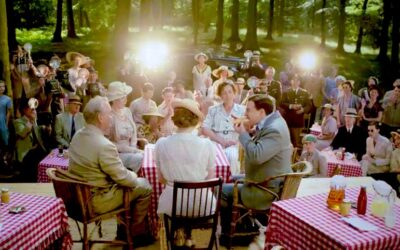
Roger Michell's <em>Hyde Park on Hudson</em> (2012)
In June 1939, FDR entertained King George VI and Queen Margaret at a picnic in Hyde Park, New York, his “other” White House. The picnic is significantly fictionalized. Michell and screenwriter Richard Nelson add much to the story but omit Eleanor Roosevelt’s real-life approved menu of picnic Virginia ham, smoked turkey with cranberry jelly, green […] read more
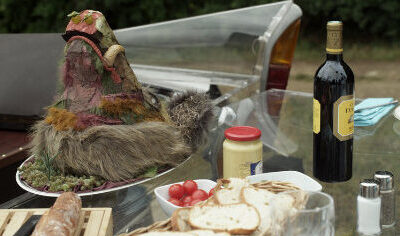
Michel Gondry’s <em>Mood Indigo</em> (2013)
The picnic in Gondry’s Mood Indigo [L’Écume des jours] is his invention, a goofy addition to Boris Vian’s surrealistic novel L’Écume des jours. * It’s the love story of Colin, who is manic and unpredictable, and Chloe, who is stable until she meets Colin. Chloe’s fate is fully sealed at their wedding picnic. At Colin’s […] read more
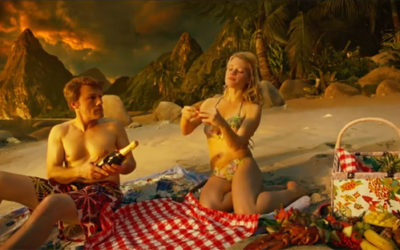
Terry Gilliam's <em>Zero Theorem</em> (2013)
Gilliam’s Zero Theorem is a sexy, pleasantly ordinary picnic. Except it is virtual, taking place in Qohen’s computer program and placed there by his horrid boss to make him work, work, work. The picnic is a romp on the tropical beach with a virtual sex worker Bainsley. Before the picnic, supremely unhappy Qohen Leth, a […] read more
Jane Campion's <em>Bright Star</em> (2009)
Bright Star (2009), Jane Campion’s version of John Keats and Fanny Brawne’s love affair, invents two romantic courtship picnic scenes. These moments are poignant because we know the romance will end in heartbreak. The first is a picnic at which they kiss. At another family picnic, Keats and Fanny dance while Fanny’s mother sleeps, and […] read more
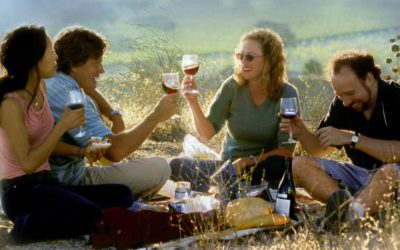
Alexander Payne's <em>Sideways</em> (2004)
Alexander Payne’s Sideways is a slice of life in Miles Raymond’s midlife crisis. Though there aren’t any picnics in Rex Pickett’s novel, Payne invented three picnic episodes hoping to present Miles in a pleasant situation. The first is Miles Raymond’s memory of an “incredible view of endless vineyards” that he associated with ex-wife Virginia when […] read more
Anton Corbijn's <em>The American</em> (2010)
Corbijn’s The American is moderately faithful to Martin Booth’s novel A Very Private Gentleman. It’s the story of a gunmaker/assassin hiding from his enemies. Booth’s novel has three picnics, but Corbijn includes two. Hired to make a high-powered rifle for an assassination, he makes a test run with his client Mathilde. For pleasantries, Jack has […] read more
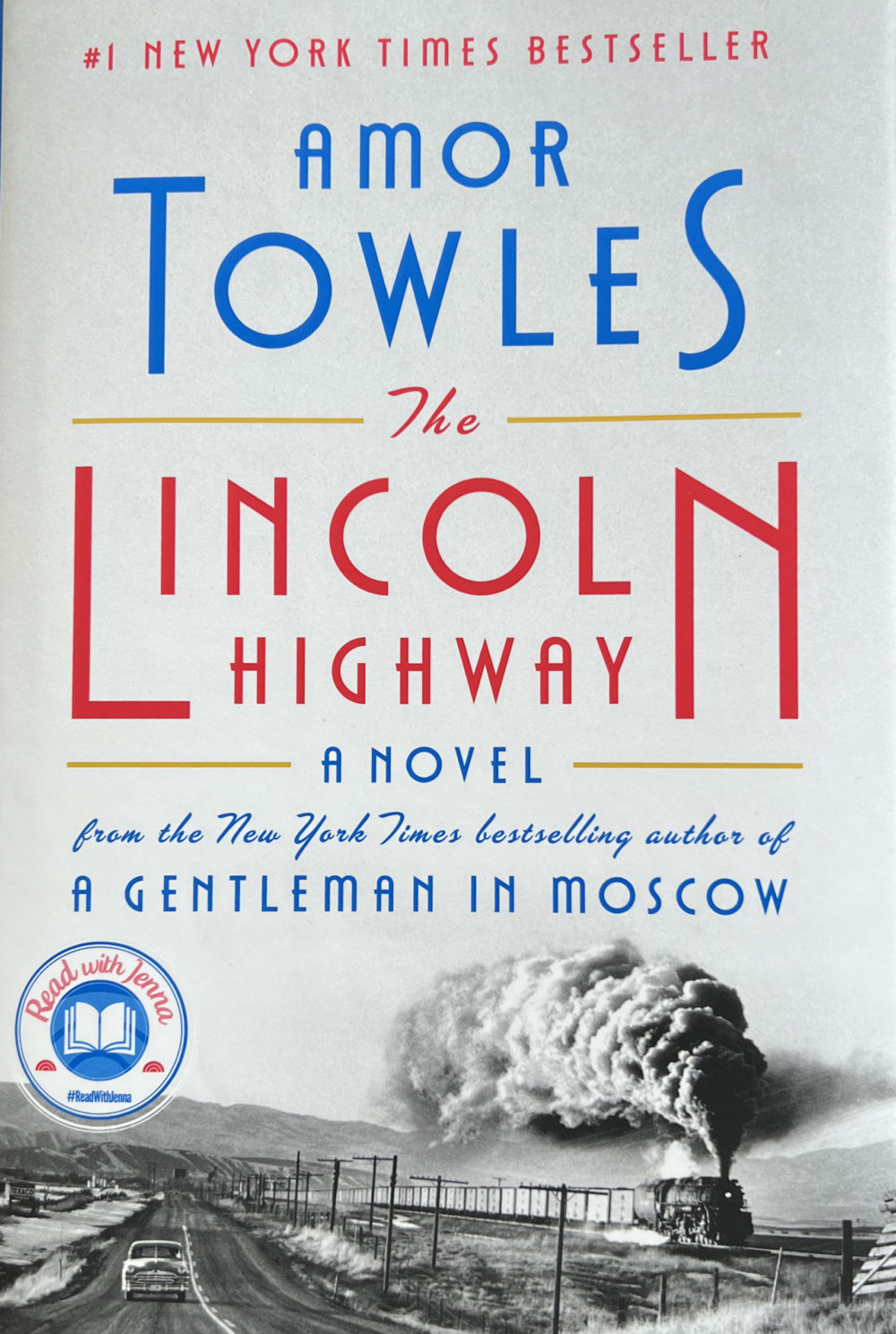
Amor Towles’s <em>The Lincoln Highway</em> (2021)
There are two picnics, both occurring about the same time in 1946. One concerns the Watson’s and the other the Hewett’s. Both picnics are bittersweet and end with unhappy consequences. The Watson family celebrates the Fourth of July by attending a family picnic. It’s a tradition ending when Mrs. Watson (aka Mom), suffering an unhappy […] read more
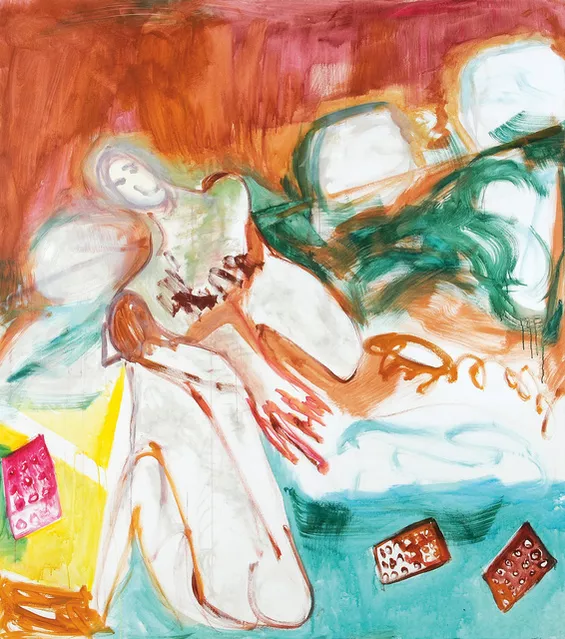
Tamuna Sirbiladze’s <em>Drug Picnic</em> (2008)
Sirbiladze’s Drug Picnic is unpicnicky. A nightmare. See Tamuna Sirbiladze. Drug Picnic (2008). Acrylic on canvas. read more
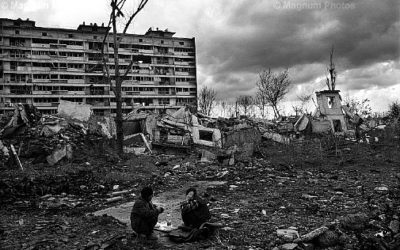
Thomas Dworzak’s <Ruins of Chechnya</em> (2002)
Dworzak’s picnic in Grozny, Chechnya, is disconcerting. Chechen men having a picnic in a bombed-out neighborhood near Minutka Square. See Thomas Dworzak. Picic in the Ruins of Chechnya (2002). Magnum Photos. read more
Benjamin Black's <em>A Death in Summer</em> (2011)
Benjamin Black’s picnic at Howth alludes to James Joyce’s Ulysses. The date is the same fifty-two years later, June 16, 1956, but the picnickers and their intentions are very different. In Ulysses, Leopold Bloom, and Marian “Molly,” Tweedy make love on the grass at Howth Head, Dublin. In A Death in Summer, Black’s picnickers, David […] read more
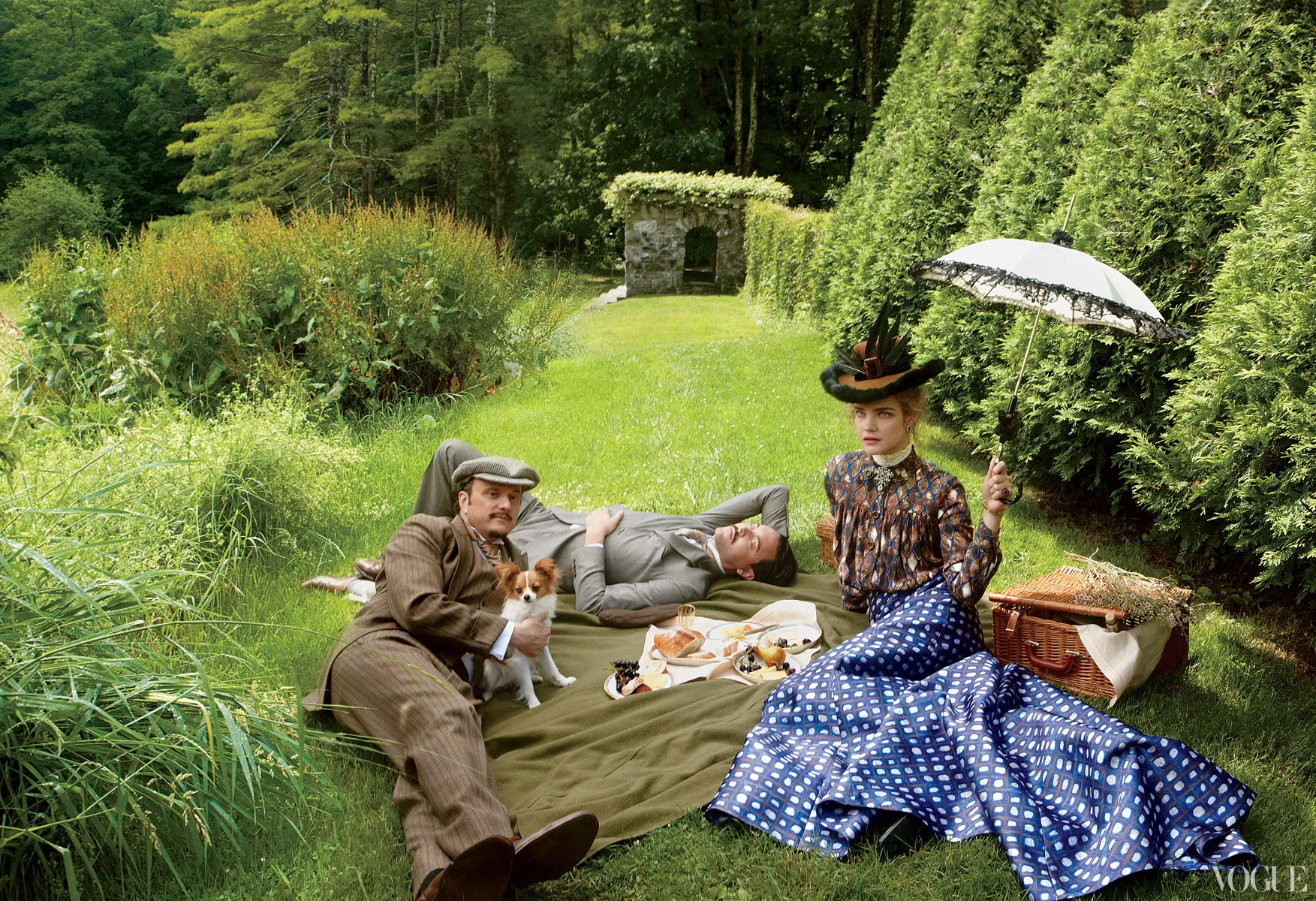
Annie Lebovitz’s <em>Edith Wharton Picnic</em> (2012)
Vogue Magazine staged an Edith Wharton picnic with photography by Annie Leibovitz and text by Colm Toibin. The picnic was photographed on the grounds of The Mount, Wharton’s home in Lennox, Massachusetts. See “The Custom of the Country: Vogue Re-creates Edith Wharton’s Artistic Arcadia. Vogue August 16, 2012 read more
Judith Martin’s <em>Miss Manners’ Guide</em> (2005)
Martin’s advice (always with humor) for picnics is the chapter for “Outdoor Eating.” Here it is: It is true that some rules for eating outdoors are different from those that apply indoors. For example, it is permissible to execute extraneous wildlife found crawling across the picnic table, while any such creature making an appearance at […] read more
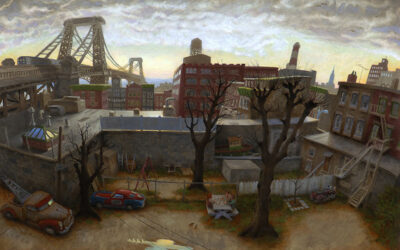
Richard Pantell’s <em>Backyards </em> (2001)
Pantell’s painting Backyards is an urban scene behind the street façade. He finds a family sitting at a picnic table among the things he sees. The trees are bare in either early spring or late fall. But the hearty picnickers are taking in the city air in their meager garden. The trees are leafless; the […] read more
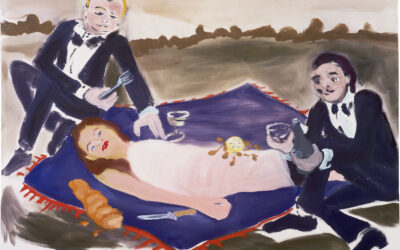
Sophie von Hellermann's <em>When he came. . . </em> (2001)
Von Hellermann’s When he came. . . is a feminist complaint about male attitudes and a woman’s compliance? The concept is an allusion to Méret Oppenheim’s Le Festin (1959), a Surrealist banquet set on a nude woman’s body. Oppenheim originally intended the work to be an homage to feminine fertility. But in Andre Breton’s installation, […] read more

Margaret Atwood’s <em>The Blind Assassin</em> (2000)
An intimate picnic in The Blind Assassin is a lover’s picnic on the grass that might fleetingly Genesis but more directly alludes to Omar Khayyám’s Rubáiyát “XI.” Iris Chase has returned from her wedding trip with Richard and is unhappy. By luck, she runs into Alex Thomas and agrees to meet him later. Their first […] read more
Vladimir Dubosarsky & Alexander Vinogradov’s <em>Luncheon on the Grass </em> (2002)
When the USSR dissolved in 1991, the hold on “official” artistic imagination produced many satires. Among them, Dubosarsky and Vinogradov’s Luncheon on the Grass reverses rigidity and social realism and embraces sexuality and lascivious behavior for the fun of it. Luncheon on the Grass (2002) is a satire of Edouard Manet’s Luncheon on the Grass (1863). The […] read more

Laura Shaine Cunningham’s <em>A Place in the Country</em> (2000)
Laura Cunningham’s memoir A Place in the Country (2000) is suffused with romantic memories of a New York City park where she picnicked with her mother Rosie and eating lunch packed in a paper bag. The sandwiches were made with Wonder Bread, soft bread with no substance, and fruit. Cunningham remembers she was about five […] read more
Louis Gluck's "Noon" (2007)
The setting for Gluck’s “Noon” is about lost innocence. It’s a picnic at which two youths engage in a sexual act without considering what happens next. The unanswered question it whether this is an act of lust or love. Noon is meant to suggest the symbolic time at which youth tips into maturity: The sky’s […] read more
Nigel Slater's <em>Toast: The Story of a Boy's Hunget</em> (2004)
Slater’s picnic in the family backyard is a metaphor for his homosexuality and his conflicted relationship with his father, who wants him to be masculine. Tinned Ham” is humorous up to a point, but the picnic menu can make you gag. Slater describes a particularly awful confrontation during a picnic on the lawn and an […] read more
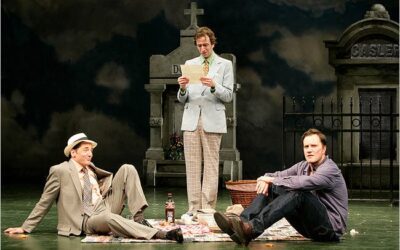
Beth Henley's <em>Ridiculous Fraud</em> (2007)
Beth Henley’s play Ridiculous Fraud, a one-act play, climaxes with a family picnic in a cemetery. “Picnics in the graveyard! A great New Orleans tradition,” says Uncle Baites, “Why weep over the dead? We come, we go. We come, we go!” It is the annual Clay family Easter Sunday reunion, and they gather at the […] read more
Mad. <em>Picnic</em> (2020)
This is a protest picnic in plague-time. It features two masked picnickers toasting one another with Molotov cocktails. MAD is a street artist from Tabriz, Iran. Featured Image: Picnic.Hand-Stencil on Prolux 300gsm Base Paper read more