
Drunk
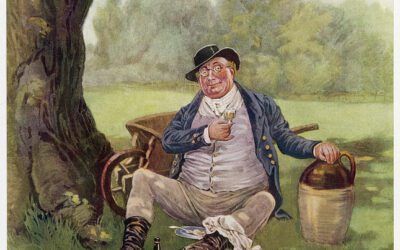
Fred Barnard’s Mr. Pickwick’s Picnic in The Pickwick Papers (1870c)
Pickwick’s picnic on a hunt in Dingley Dell is part of an abortive hunting expedition. It’s famous for Pickwick getting drunk and Sam Weller’s discussion of veal pies, pronounced “weal” in Weller’s Cockney accent. This picnic is served under the welcome shade of an old oak to make it easy for Pickwick, who suffers from […] read more
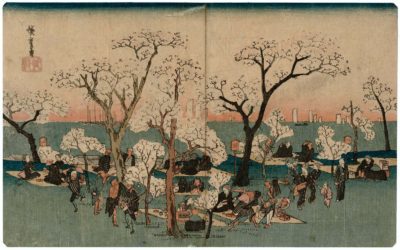
Hiroshige’s Picnic at Gotenyama (1833)
Hiroshige aims to depict activity relevant to the moment in a specific landscape. In this respect, his scenes in Japan correlate with J.M.W. Turner’s picturesque landscapes of the United Kingdom. While picnicking under the blooming cherry trees at Gotenyama, too much food and sake instigate a drunken brawl. Compare this with the rowdy sailors at […] read more
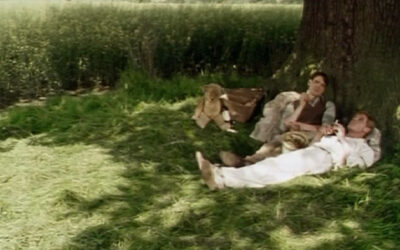
Charles Sturridge’s Brideshead Revisited (1981)
Charles Sturridge’s strawberry picnic in Brideshead Revisited is mainly faithful to Waugh’s novel. With Sebastian Flyte’s encouragement, Sebastian easily gets Charles to cut class at Oxford for a day in the country. He announces, “I’ve got a motor car and a basket of strawberries and a bottle of Chateau Peyraguey—which isn’t a wine you’ve ever […] read more
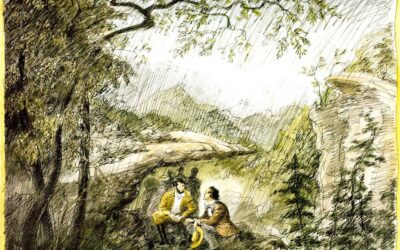
Nathaniel Hawthorne & Herman Melville Picnic on Monument Mountain (August 1850)
When Melville and Hathorne picnicked on Mount Mansfield in August 1852, Piper Heidsieck corks were popped. That’s what Cornelius Mathews wrote The Literary World during their climb to the summit. Until this meeting, the two authors were unacquainted though they lived seven miles apart; Hawthorne in Lenox and Melville in Pittsfield. In Pittsfield. Mathews wrote […] read more
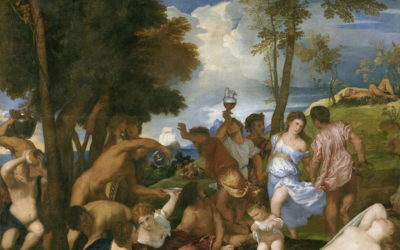
Titian’s The Bacchanal of the Andrians (1523-26)
Titian’s The Bacchanal of the Andrians has the appearance of a picnic devoted to drinking. Sometimes called The Stream of Wine on the Island of Andros, it relates the miracle in which spring water is transformed into wine. In the foreground, the legend on the sheet music informs the viewer, “Who drinks and does not […] read more
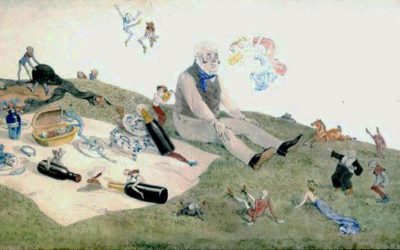
Charles Altamont Doyle’s The Enchanted Picnic (1882)
Altamont’s The Enchanted Picnic (1882) is a sad picnic that is neither enchanted nor pleasurable. The picnicker, perhaps Doyle himself, having finished four bottles of wine and champagne, is pleasantly suffering delirium tremens. Instead of monsters, the drunk picnicker smiles at fairies, oblivious to their mischief. The picnic Sunnyside Picnic, 6th June 1889, and Nicer Beer and Sandwiches […] read more
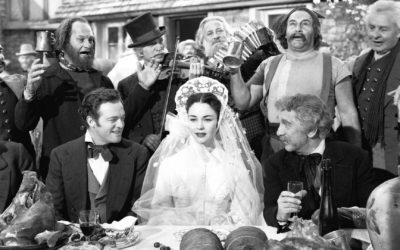
Gustave Flaubert’s Emma Bovary (1856)
Flaubert’s Madame Bovary is attack on the French bourgeoisie’s crudities and lack of taste. A pivotal moment occurs at Emma Rouault’s wedding party, a vaguely picnicky outdoor event. The party foreshadows Emma’s disastrous relationship with Charles Bovary. What ought to be a happy affair, Flaubert purposely turns topsy-turvy. In her dreams, Emma would have “preferred […] read more
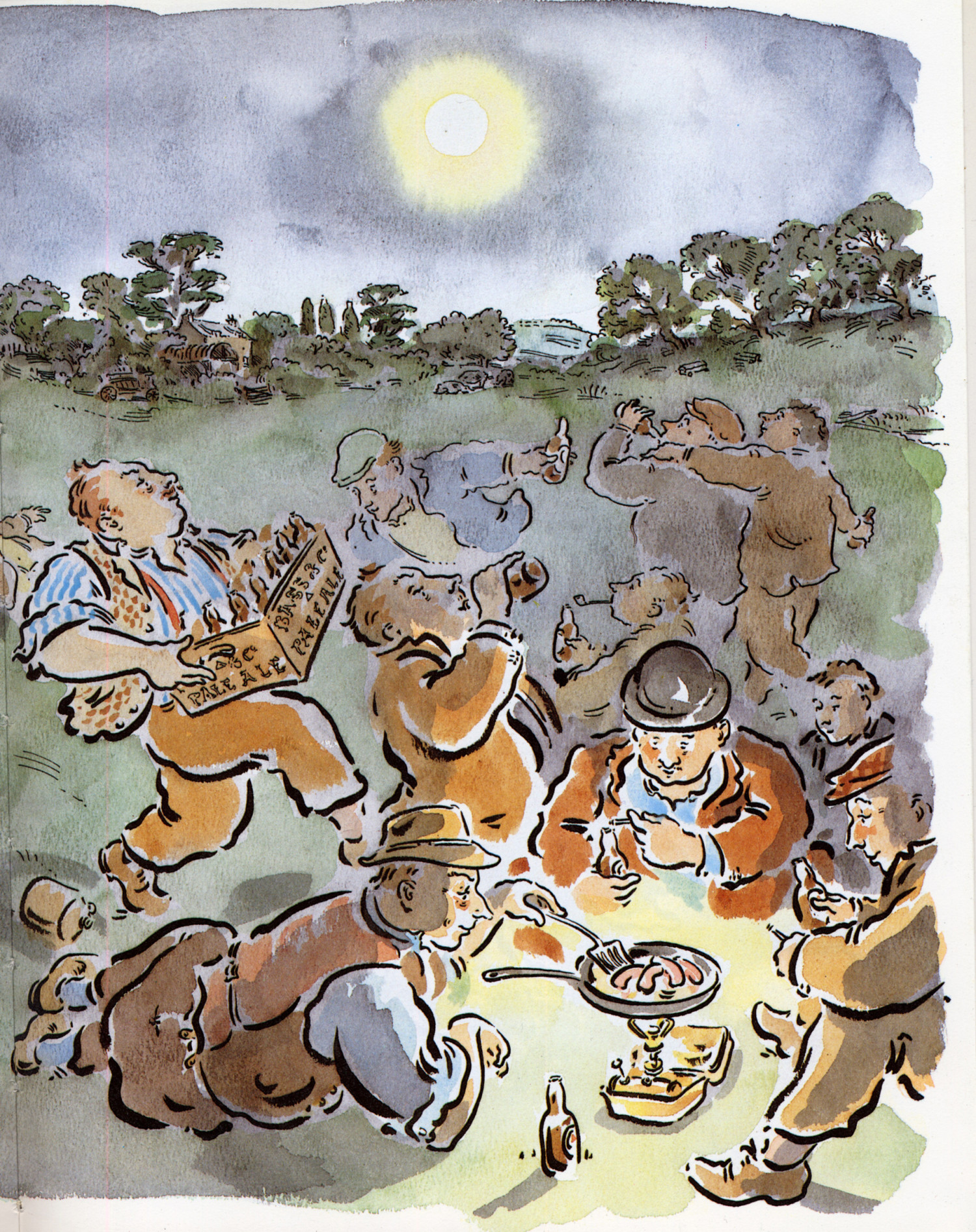
Dylan Thomas’ The Outing (1955)
Thomas’ life and marriage were tumultuous. So in November 1953, when Caitlin Thomas entered St. Vincent’s Hospital in New York looking for her husband, she expected a positive answer to her question, “Is the bloody man dead yet?” What she got was “Not yet,” for he was in a coma and died not long after. […] read more
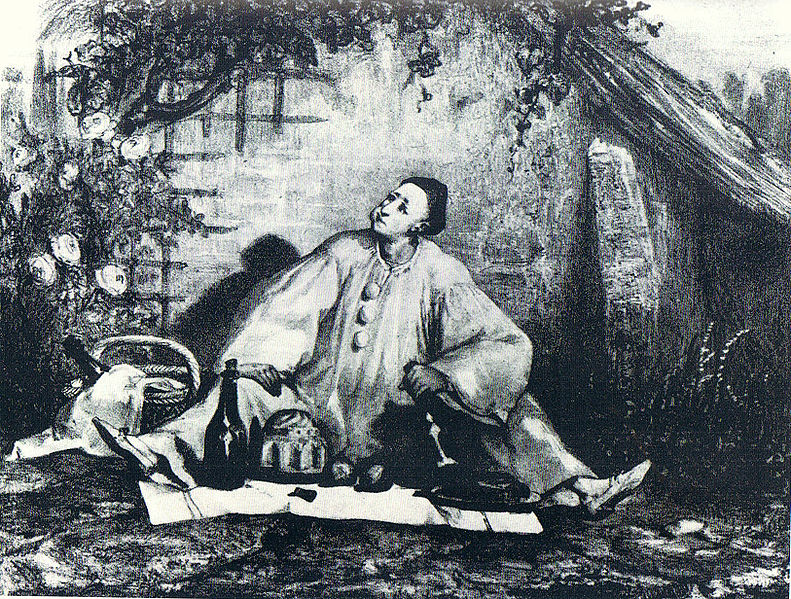
Auguste Bousquet’s Le repas de Pierrot (1834)
Bouquet’s Le repas de Pierrot, Pierrot’s Dinner, suggests a picnic. The scene depicts the actor Jean-Gaspard Deburau as Pierrot, a star stock character in the Théâtre des Funambules (Theater of the Tightrope Walkers). Pierrot always loses. From the look on his face, in this instance, he appears drunk. He sits spread-eagle, holding a bottle in his hand, […] read more