
Food & Drink
Picnic Food in the Visual Arts and Film
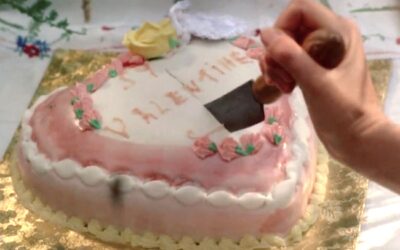
Picnic food for adults is important but not required. Most art and film scant food, often using it as decoration. Children’s picnics require comfort food. The more carbohydrates and fats, the better the picnic. I’ll treat children’s picnics in a post. Featured Image: Peter Weir. Picnic at Hanging […] read more
Picnic Feasts
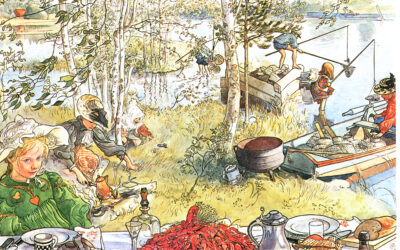
Picnics are coded with a silent implicit expectation that there will be food, lots of it, and that it will be shared. It’s a chief aspect of commensality, accentuating positive feelings which picnickers expect. Picnic feasting is without guilt. It is an expression of vitality, joy, and lavish pleasure. The earliest repas de pique-nique held […] read more
A (Brief) Survey of Picnic Menus
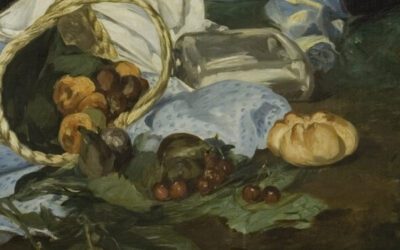
If you think hot dogs, fried chicken, or ham sandwiches are prime picnic foods, think again. A (brief) survey of picnic menus reveals preferences are limited only by one’s imagination, expense, preparation, and appetite. There is an ongoing conversation, some would call it a debate, about whether the foods should be simple or complex. More […] read more
Selected Cookbooks
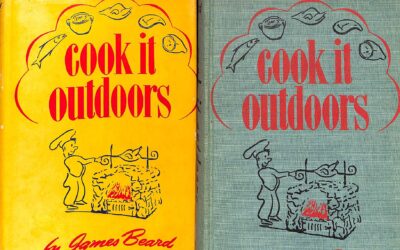
Picnic cookbooks are relatively new. The first in 1915 was Linda Larned’s One Hundred Picnic Suggestions. Like the song from Gypsy, “You Gotta Have a Gimmick.,” new cookbooks, each striving for novelty, appear every year. Some are prettier than others. Some use photographs, line drawings, or copies of original art. Beard, J., Cook It Outdoors […] read more
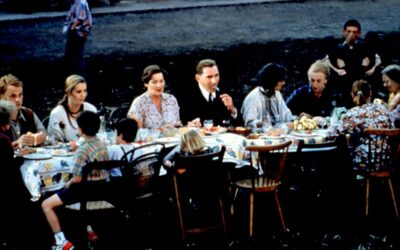
Marleen Gorris Antonia’s Line (1995)
Antonia is the matriarch of an extended family: her daughter, child, and partner, her friends, and castoffs who need a home. Each year, a long table is set in the barnyard for the extended family to picnic. See Marleen Gorris. Antonia’s Line (1995). Screenplay by Marleen Gorris. Also, Emma Bovary’s wedding party in Vincente Minnelli’s […] read more
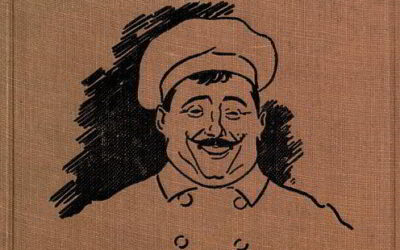
“Thumbers” or Bookmaker’s Sandwiches
“Thumbers” are thick beef, pork, or mutton sandwiches that were popular crowd food at the Newmarket racetrack. The name alludes to the small-sized sandwiches held between the thumb and forefinger. Except for gastronome Edward Spencer. in his Cakes & Ale: A Memory of Many Meals and a recipe for “Thumbers,” dignified with the name Bookmaker’s […] read more
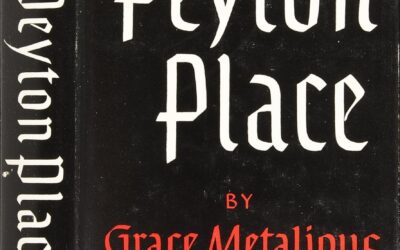
Grace Metalious’s Peyton Place (1956)
Allison McKenzie and Norman Page teenagers ride bicycles to a picnic on the Connecticut River. Metalious's picnic is similar to Carson McCullers’s in The Heart is a Lonely Hunter; during which Mick Kelly and Harry Minowitz talk about adult life and relationships. Mick and Harry make love; Allison and Norman talk and eat ham or […] read more
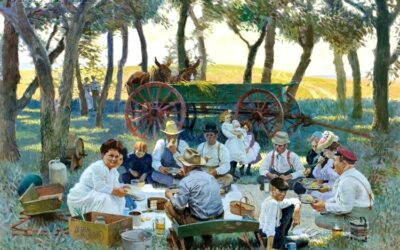
John Philip Falter’s Prairie Grove Picnic (1977)
Falter was a commercial artist and illustrator mostly known for his Saturday Evening Post magazine covers. Featured Image: John Philip Falter Prairie Grove Picnic. Oil on Linen (1947) read more
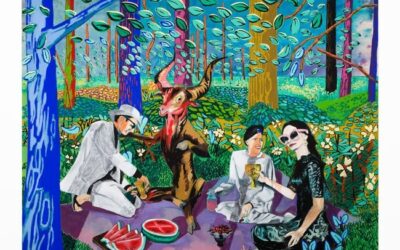
Theodore Boyer’s Luncheon with the Devil (2012)
The Devil is portrayed as a smiling horned goat enjoying a picnic with a man and two women dressed in contemporary clothing. The food is watermelon. There is a story for this picnic that is yet to unfold. Featured Image: Theodore Boyer. Luncheon with the Devil. Oil and casein on dyed canvas (2022) read more

Ernest Hemingway’s “Big Two-Heated River, Part Two” (1925)
It resembles a picnic; it’s recreational, but it’s lunch on a trout-fishing excursion on Michigan’s Upper Peninsula. In Ernest Hemingway’s story “Big Two-Hearted River, Part Two,” Nick Adams breaks to have a sandwich. Nick is depressed and trying desperately to get over his war memories and a nagging injury. Fishing for trout in a cold […] read more
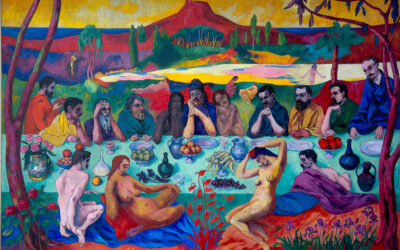
Pierre Girieud’s Homage to Gauguin (1906)
Homage to Gauguin is an allusion da Vinci’s Last Supper. Instead of Jesus, Gauguin is seated (third from right) with his friends and admirers. A picnic feast ought to be jolly, but these picnickers are solemn and unhappy. The images and colors all related to Gauguin’s paintings and palette, though worked in a more garish […] read more
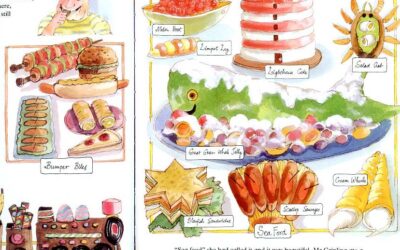
Literary Children’s Picnics and Comfort Food
Unlike real-life children who are often persnickety about what is offered, fictional children at picnics take what is offered. That’s because most juvenile stories associate fun with baskets full of sweets, carbs, and fats. Presumably, well-behaved children require comfort food. Food at the first children’s picnic stories, The Happy Courtship, Merry Marriage, and Pic-nic Dinner […] read more
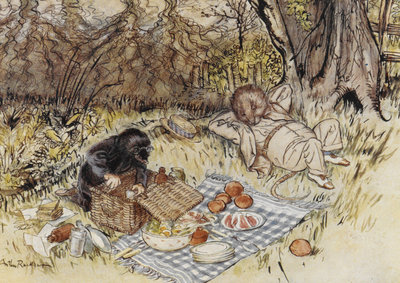
Kenneth Grahame’s Wind in the Willows (1908)
Kenneth Grahame’s picnic in The Wind in the Willows is a wonder. What child (or adult) could ever conceive of a picnic for one eating basket full of “cold chicken. . .‘coldtonguecoldhamcoldbeefpickledgherkinssaladfrenchrollscresssandwichespottedmeatgingerbeerlemonadesodawater——’?” It’s the adults that prefer oceans of food for picnics, believing that this is the best way (some think the only way) to […] read more
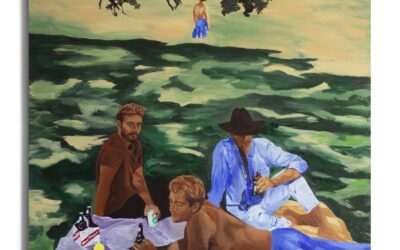
R.F. Alvarez’s Luncheon on the Pasture (2022)
Beer and apples. Featured Image: Luncheon on the Pasture, acrylic on canvas. read more
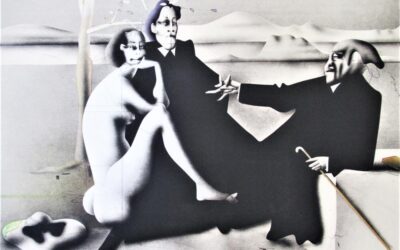
Paul Wunderlich’s Das Frühstuck im Grünen [Luncheon on the Grass
Wunderlich’s Das Frühstuck im Grünen [Luncheon on the Grass] is a surrealistic adaptation of both Édouard Manet’s Luncheon on the Grass. Sensuality, sex, and any semblance of pleasantries are absent. Distorted, seemingly unhappy, figures sit in a barren landscape. Featured Image: Paul Wunderlich, Das Frühstuck im Grünen, #2 (1977), lithograph. (1977) read more
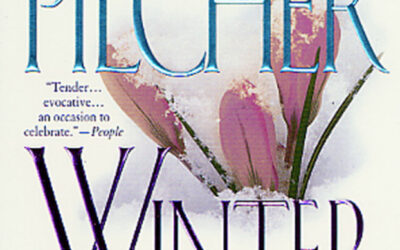
Rosamunde Pilcher’s Winter Solstice, A Novel (2000)
After much tribulation, Elfirida Phipps Oscar Blundell and friends gathered at a Christmas Eve picnic for the start of a happy future. The timing purposefully combines the celebration of the birth of Jesus Christ and the winter solstice that is the beginning of the celestial new year; both bring tidings of good cheer. As Pilcher […] read more
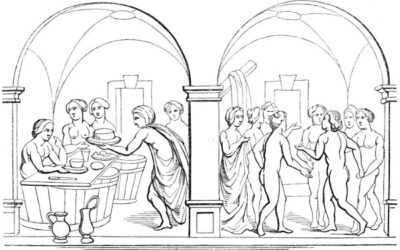
Thomas Wright’s The History of Domestic Manners and Sentiments in England (1862)
Thomas Wright found songs, now obscure, about women having meals in taverns and bathhouses that are suspiciously like picnics. He writes about this in The History of Domestic Manners and Sentiments in England, suggesting that sharing food and entertainment is common among the lower classes. In one song, women meeting in a tavern each contribute […] read more
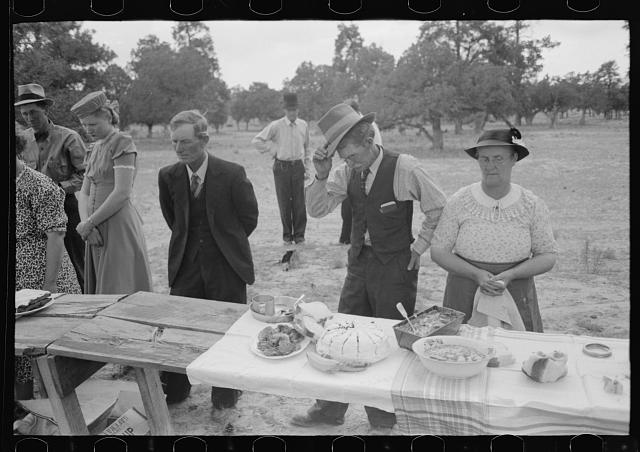
Russell Lee’s The Blessing at Dinner on the Grounds at the All-Day Community Sing, Pie Town, New Mexico (1940)
Featured Image: Russell Lee. The Blessing at Dinner on the Grounds at the All-Day Community Sing, Pie Town, New Mexico (1940). Courtesy Library of Congress. LC-USF33- 012785-M5 [P&P] Also, Dinner on the Grounds, Nell Choate Jones. Church Supper (1945) Greenville Museum of Art Greenville, SC; Edna Lewis’s The Taste of Country Cooking \ (1977); Paul […] read more
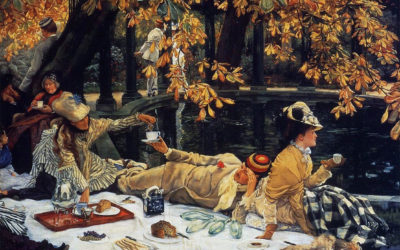
James [Jacques]Tissot Holyday (1876c.)
The epitome of a Victorian picnic is Tissot’s Holyday. Tissot arranged a picnic of a family and friends in the garden of his home in St. John Woods. They sit beside a sparkling white cloth, china, flatware, a cake, sliced cheese on a platter, a platter of grapes, tea, and fizzy water. The picnickers are […] read more
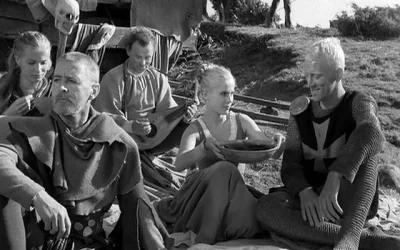
Ingmar Bergman’s The Seventh Seal (1957)
Bergman’s picnics in The Seventh Seal [Det Sjunde Inseglet], are moments of relief in an otherwise deadly serious drama about death and the meaning of God. When Block interrupts his game of chess with Death, he joins Jof (Nils Poppe) and Mia (Bibi Andersson) travelling performers, for a picnic-style lunch. for Block, a knight errant […] read more
Jacques Lartigue’s Chou Valton at la Garoupe, Cap d’Antibes, July 1932
Sunbathing on the beach with champagne. Lartigue’s shadow is seen in the lower left corner. See Jacques Henri Lartigue. Chou Valton at the plage de la Garoupe, Cap d’Antibes, July 1932. Silver Gelatin Print. read more
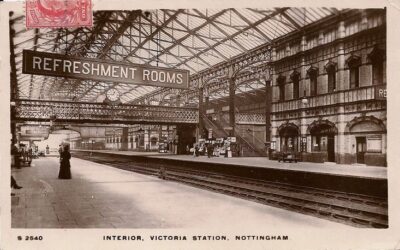
Charles Dickens. “The Boy at Mugby Junction” and the “Universal French Refreshment Sangwich” (1866)
Dickens vented his distaste for English travel food, especially sandwiches served in cold, comfortless train stations. The Boy at Mugby Station working in h Refreshment Room gleefully tells anyone who will listen (or not) how awful the refreshments (if they can be called refreshments are: “You don’t know what I mean? What a pity! But […] read more
John Galsworthy’s “The Apple Tree” (1916)
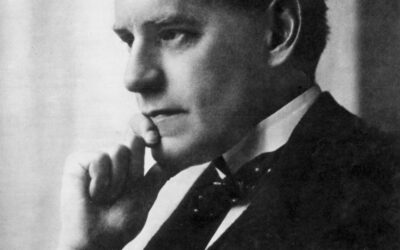
Galsworthy’s is a moral tale about the “deeply buried” guilt. What is supposed to be a romantic picnic celebrating a silver anniversary turns achingly poignant. Ashurst’s past is vividly recalled when inadvertently picnicking with his wife, Stella, next to the grave of his first love, Megan David, a simple farm girl. They were to be […] read more
Fred Barnard’s Mr. Pickwick’s Picnic in The Pickwick Papers (1870c)
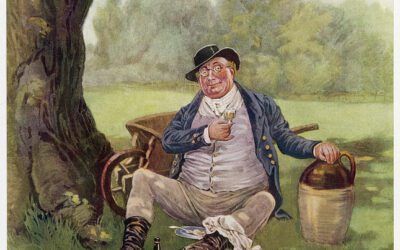
Pickwick’s picnic on a hunt in Dingley Dell is part of an abortive hunting expedition. It’s famous for Pickwick getting drunk and Sam Weller’s discussion of veal pies, pronounced “weal” in Weller’s Cockney accent. This picnic is served under the welcome shade of an old oak to make it easy for Pickwick, who suffers from […] read more
Filippo Napoletano’s Merenda sull’erba (1619)
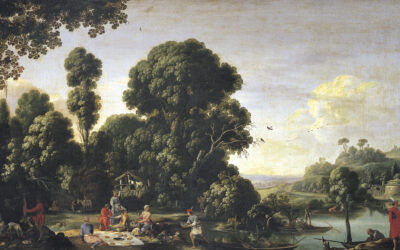
Napoletano’s Merenda sull’erba is a landscape with Florentines enjoying an informal outdoor lunch by a lake. Merenda is Italian for picnic, which was not coined until 1649 in Paris. The picnickers have spread their cloth in the shade. To the left, a cook works at a fire; to the left, a servant brings fish from […] read more
Eleanor Roosevelt on Campobello Island (1931)
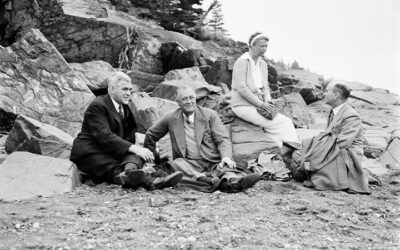
During the first summer of FDR’s presidency, the Roosevelts hosted a Fourth of July picnic at their vacation home on Campobello Island, New Brunswick [about a half mile off the coast of Lubec, Maine]. Formality ruled, and men and women dressed in a causal style, the men in light-colored suits and the women in light-colored […] read more
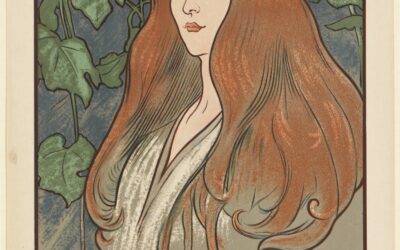
Harold Frederic’s The Damnation of Theron Ware (1896)
Frederic’s The Damnation of Theron Ware, or Illumination, is a satire of American Methodism. The narrative explores the mid-life crisis of Theron Ware, a married Methodist Episcopal pastor who falls for Celia Madden, an Irish Catholic, in a small town in New York State. During a staid, conservative Methodist camp meeting, Ware sneaks off to […] read more
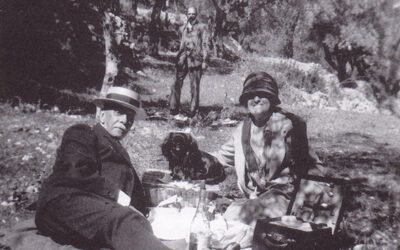
Percy Lubbock’s Description of Edith Wharton Picnicking (1947)
Lubbock’s Portrait of Edith Wharton is definitive: “Edith settled, the strapped hampers (which she likes to think of as ‘corded bales’) set side by side, the rugs spread, the guests ‘star-scattered in their places: poetic allusion is never amiss at these symposia. Nobody at this point is to help her; she unpacks, distributes, and apportions […] read more
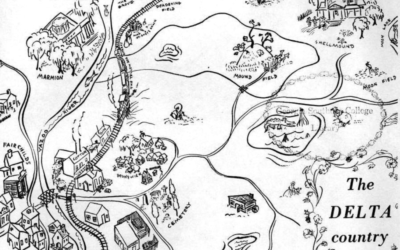
Eudora Welty’s Delta Wedding (1946)
Under a magical starry sky, Welty’s picnic at the Grove calms the frayed edges of family life after a momentous wedding. Though it is held at night, the air is cool and still summery warm, the stars twinkles as shooting stars burst across the sky, and the sound of the horse and wagon is reassuring. […] read more
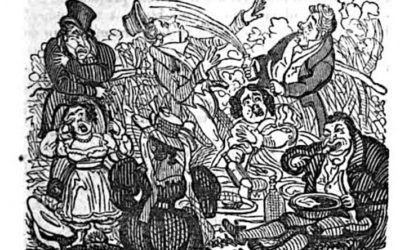
The Pic-Nic Song (1829)
Corny picnic satire was in vogue among English music before Gilbert and Sullivan’s 1871 Thespis, or The Gods Grown Old. Typical “The Pic-Nic” is sung to the air of “Here’s the Maiden of Bashful Fifteen” from Sheridan’s The School for Scandal. Its inclusion in Arliss’ The Melodist, a collection of popular songs, suggests opportunities for […] read more
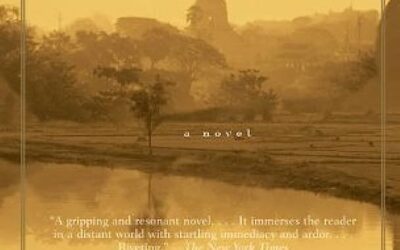
Daniel Mason’s The Piano Tuner (2002)
Mason’s The Piano Tuner is an adaptation of Conrad’s The Heart of Darkness. Edgar Drake, the piano tuner, is Charlie Marlow, and Anthony Carroll, Surgeon-Major in the British Army, then annexing Burma. Carroll is accused of setting up his state in defiance of British authority, and Drake is an unwitting dupe in the conflict. Unlike […] read more
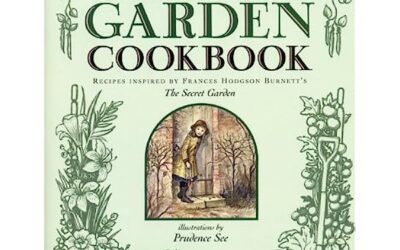
Amy Colter’s The Secret Garden Cookbook (1999)
Colter’s The Secret Garden Cookbook is mainly a collection of high calory, sugary and fatty foods. She starts with Burnet’s essential food path and never wanders far off. “You can trifle with your breakfast and seem to disdain your dinner,” Burnet writes, “if you are full to the brim with roasted eggs and potatoes and […] read more
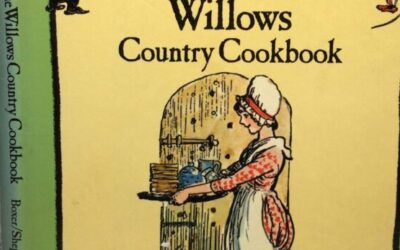
Arabella Boxer’s The Wind in the Willows Country Cookbook (1983)
Boxer’s “Food for Excursions” is mainly a collection of carbohydrates, sweets, and fatty meats. Her suggestions include Riverside Sandwich, Sausage Sandwich, Potted Shrimp Sandwich, Toad Hall Steak Sandwich, Stuffed Eggs, River-Bankers Lunch, hard-cooked Eggs with Nutty spice island Mixture, Sausage Rolls Leafy Summer, Lettuce Snacks, Cornish pasties, Hot meat pasties, Rabbit pasties, Easy Meat Loaf, […] read more
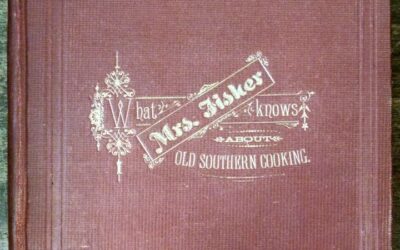
Abby Fisher’s Fried Chicken (1881)
The second oldest African American cookbook is Fisher’s What Mrs. Fisher Knows About Old Southern Cooking, Soups, Pickles, Etc. She does not mention picnics in her text, but fried chicken is a picnic staple. Fried Chicken: Cut the chicken up, separating every joint, and wash it clean. Salt and pepper it, and roll into flour well. […] read more

Drunken Behavior and Sexual Liaisons in Ruth Prawer Jhabvala’s “Picnic with Moonlight and Mangos” (1976)
“Picnic with Moonlight and Mangos” from Jhabvala’sHow I Became a Holy Mother (1976) is about a drunken picnic in the garden of Moti Bagh, a 17th-century palace in a suburb of New Delhi. This annual event is often an excuse for sexual liaisons. The pattern is always the same: friends and families visit Moti Bagh […] read more
Sugar Sandwiches
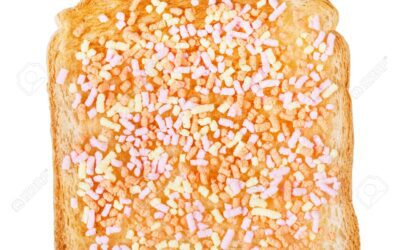
According to Andrew Smith, editor of the Oxford Encyclopedia of Food and Drink in America, explains that a “sugar sandwich” is a generic sandwich with sugar added, such as a banana sandwich with sugar sprinkled on the bananas, or homemade peanut butter, which is not particularly sweet, with sugar. Lucy Long, a folklorist, says that […] read more
Marcel Proust’s Within a Budding Grove (1914)
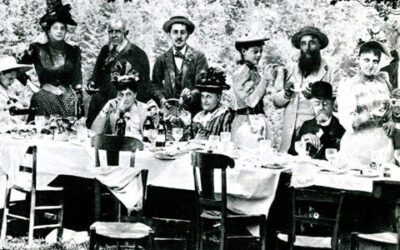
Marcel Proust’s Within a Budding Grove, aka In the Shadow of Young Girls in Flower, is sometimes remembered for young Marcel’s picnics on the bluffs at Balbec, a fictional town in Normandy. (Proust does not use pique-nique because this is an outdoor meal.) With a “little band” of teenage friends, Albertine, Andrée, Delphine, and Rosemonde, […] read more
Norma Jean Darden and Carole Darden’s Spoonbread and Strawberry Wine(1994)
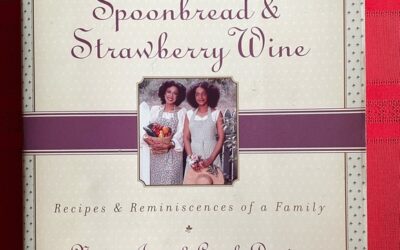
Norma Jean Darden and Carole Darden’s sisters have written a family food memoir. Spoonbread and Strawberry Wine is a short biography of their father, Bud Darden, Walter T. Darden, MD, with a picnic menu attached. The sisters’ family picnic memories at their home in Newark, New Jersey. The Dardans include some tips for a picnic, […] read more
August Escoffier’s “Crêpes Suzettes” in The Complete Guide to the Modern Art of Cookery (1903)
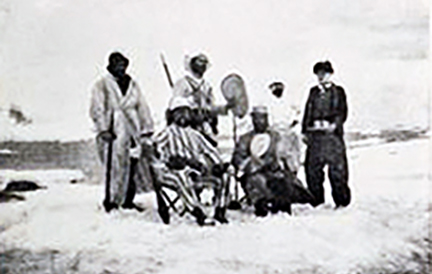
For all we know, Jean-Baptiste Charcot’s chef on the Pourquoi Pas! Used this recipe for Crêpes Suzette when the crew celebrated Mardi Gras in Antarctica. 2450— SUZETTE PANCAKES Make these from preparation A, flavoured with cura9oa and tangerine juice. Coat them, like Gil-Bias pancakes, with softened butter, flavoured with curaçao and tangerine juice. 2403— PREPARATIONS FOR […] read more
Simka Simkhovitch’s The Picnic (1930s)
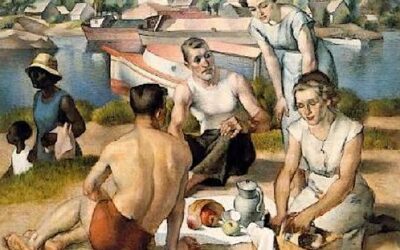
Simkhovitch’s The Picnic is a day of leisure for a group that seems mirthless. They sit on bare earth, and each is unsmiling and subdued. There is no picnic joy as a small picnic cloth is spread around which they all gather. A man in a bathing suit reclines, his back to the viewer. Behind […] read more
Edna Lewis and Scott Peacock’s Recipe for Lemon Chess Pie (2003)
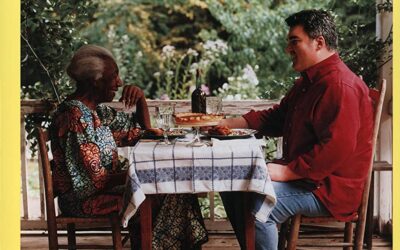
Chess pie is a custard pie peculiar to the American south made with cornmeal. Pocock adapted Edna Lewis’s recipe. See Scott Peacock. The Gift of Southern Food New York, Alfred A. Knopf, 2003 Ingredients: 1 nine-inch pie shell 4 large eggs, at room temperature 1½ cups sugar 1 tablespoon fine white cornmeal 1 tablespoon unbleached all-purpose […] read more
Walt Disney A Picnic in the Woods (1983)
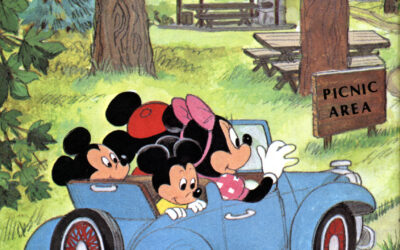
Among the best picnics, adult or otherwise, A Picnic in the Woods sets an example of optimistic picnic fun. It begins with the usual refrain: “It’s a beautiful day for a picnic!” as Mickey Mouse, Minnie Mouse, and Mickey’s nephews Ferdy and Morty cram into the blue convertible for a day in the country. Soon, […] read more
Walt Disney’s Donald Duck Beach Picnic (1939)
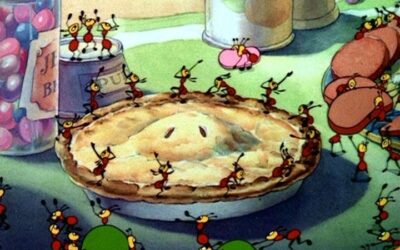
Donald Duck’s beach picnic makes a joke of expectations. Intending a pleasant day at the beach, Donald is upset and bedeviled with turmoil. Especially the ants, dressed in war paint like “Native Americans,” steal Donald’s picnic. The idea is meant to be comic. Ants at a picnic are always fun, but in this instance, masquerading […] read more
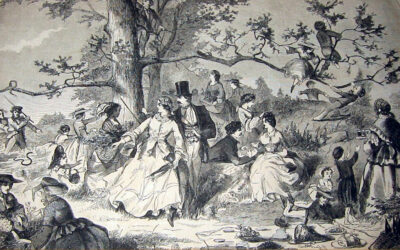
Winslow Homer’s A Picnic in the Woods (1858)
Homer’s A Picnic in the Woods is a pleasant joke, suggesting that the usually staid picnic might also be tumultuous. The action here is everywhere. A large picnic blanket is spread and filled with food: a bowl of fruit, a large ham with a knife for carving, a small turkey or large chicken, a bowl […] read more
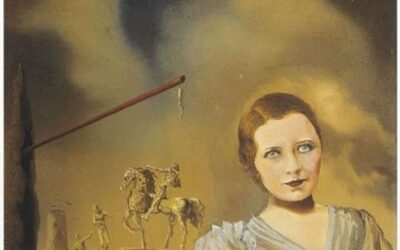
Caresse Crsby’s Picnic in Ermenonville (1934) and Elsewhere
When Mary Phelps Jacob was nicknamed Polly, when she married her first husband, she became Mary Phelps, Jacob Peabody. Harry Crosby, her second husband, renamed her Caresse Crosby. He liked the alliteration and the pun on caress. When Harry died a suicide in 1929, Caresse carried on with the Black Sun Press and the support […] read more
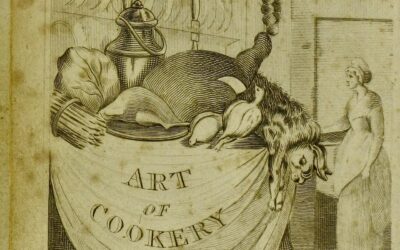
Eliza Rundell’s Fricassee and Cold Beef in A New System of Domestic Cookery (1806)
Fricassee is picnic food when dining indoors. It’s mentioned in Samuel Foote’s The Nabob (1772) and Mary Belson Elliott’s The Mice and Their Pic Nic (1809). Had Elliott needed a recipe, she might have found it in Mrs. Rundell’s A New System of Domestic Cookery, Formed Upon Principles of Economy, and Adapted to the Use of Private Families (1806). Fricassee of […] read more
Constance Spry and Rosemary Hume’s Recipe for Sausage Rolls in The Constance Spry Cookery Book (1937)
In “Picnics and Outdoor Meals,” Spry writes, “The nicest outdoor meals are those cooked on the spot,” and among the best are barbecues.” She does not like “grand picnics,” the kind for which everything is transported and served by staff. “This is not the best way to enjoy a picnic,” she asserts. Paradoxically the recipe […] read more
Edith Wharton’s Summer (1917)
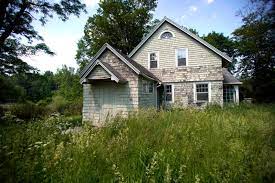
Wharton’s Summer is the story of a summer romance doomed to failure that begins with seduction at a picnic. When Charity Royall, a small-town girl of seventeen, falls for Lucius Harney, a socially upscale architect, she loses her innocence at a picnic. The outing and picnic lunch are critical moments in the narrative suggesting the […] read more
Archibald J. Motley Jr.’s Barbecue (1960)
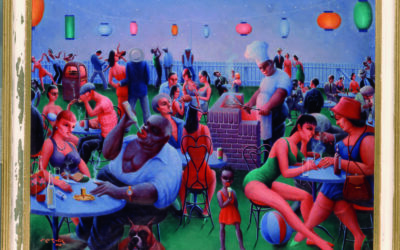
Motley’s A rooftop party is a variation of a tar beach picnic. Couples are sitting at tables eating and drinking. Good spirits prevail. Motley’s typical attitude and his paintings invariable show African Americans happy in a world of easy living. “I’ve always wanted to paint my people,” he said in an interview, “just the way […] read more
Benjamin Clermont ‘s Recipe for Perigord Pie in The Professed Cook (1769)
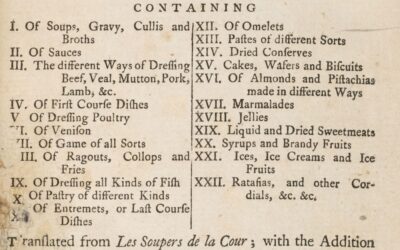
Among Clermont’s recommendations for traveling is a cold Perigord pie. It’s an expensive food ordinary folks might not afford, but a favorite of the posh Pic Nic Club of London. clermont’s text is a translation of Menon’s 1755 Soupers de la cour. Pâté de (Perigueux), A cold loaf for traveling. Take a farce with partridge […] read more