
John Fowles’s The Cloud takes its title from Shakespeare’s Two Gentlemen of Verona (Act 1, Scene 3):
“O, how this spring of love resembleth
The uncertain glory of an April day,
Which now shows all the beauty of the sun,
And by and by a cloud takes all away!
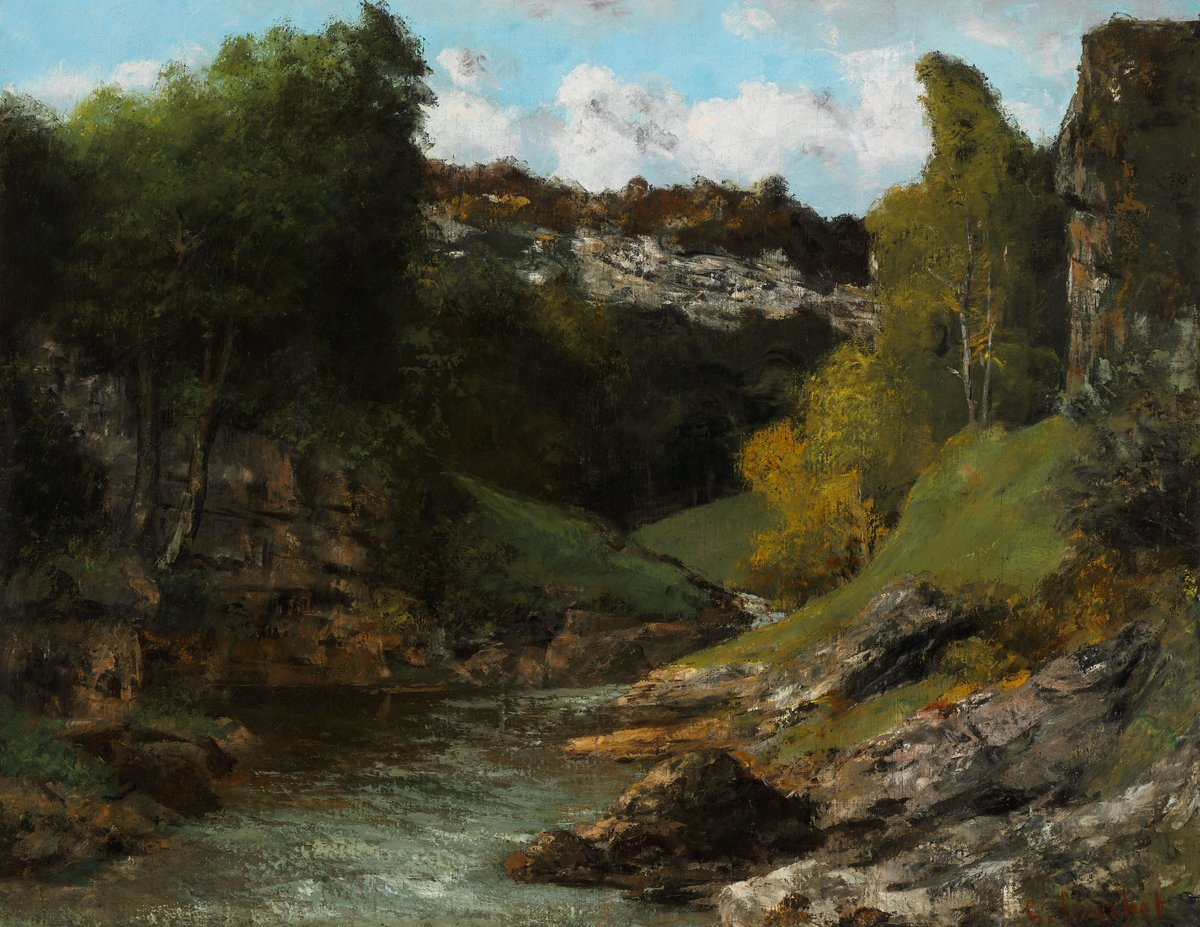
As a group of English, five adults and three children, on holiday picnic in the Dordogne Valley, “straggle across a meadow “ carrying baskets of food (rillette sandwiches, Muscadet, and Coca-Cola across rocky terrain by the edge of a jade green river. The air is windless, and the sunshine alternates with patches of clouds. Beneath that apparent happiness is a current sadness and social bickering. The adults settle in the rocky terrain next to a river, which suggests the rocky nature of their relationships.
What begins as a picnic on a “noble day” abruptly ends when a heavy, dark storm cloud foreshadows an imminent thunderstorm. All the picnickers are accounted for except Catherine, a depressed woman whose husband has recently committed suicide. When Peter looks for her and finds her alone, he is aroused and fucks her. Catherine neither participates nor is aroused. When Peter leaves, she remains indifferent to the approaching storm.
See John Fowles. The Cloud, in The Ebony Tower (1973)Featured Image: Gustave Courbet. Landscape of the Valley of the Loue (1865-1868)
Featured Image: Gustave Courbet. Rocky Landscape (1862). oil on canvas. Museum of Fine Arts, Budapest