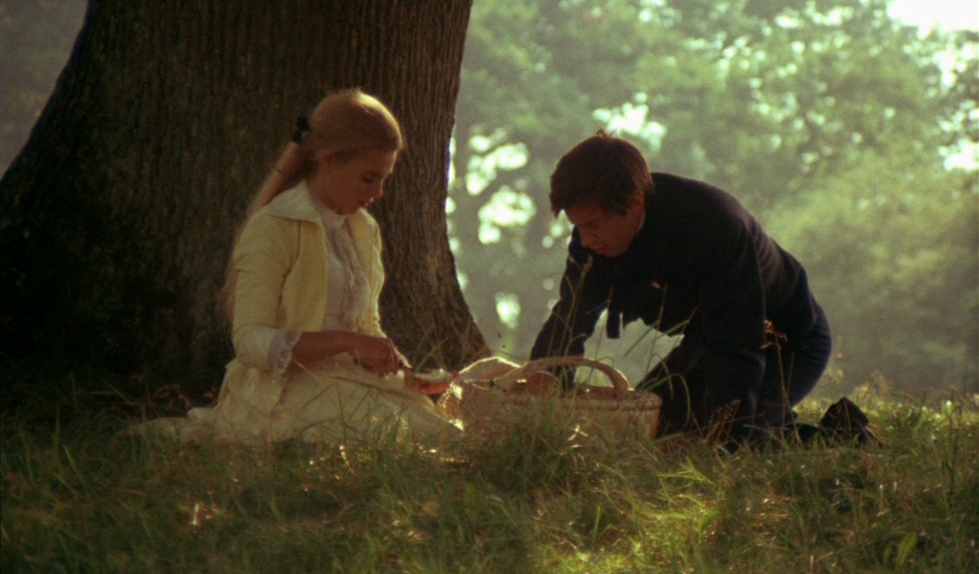
Widerberg’s Elvira Madigan has two picnics. The first is a lover’s idyll; the second is sad and deadly. When Elvira Madigan, aka Hedvig Jensen, a circus performer, and Count Sixten Sparre, a married cavalry officer, eloped, their life together was a picnic. Their...
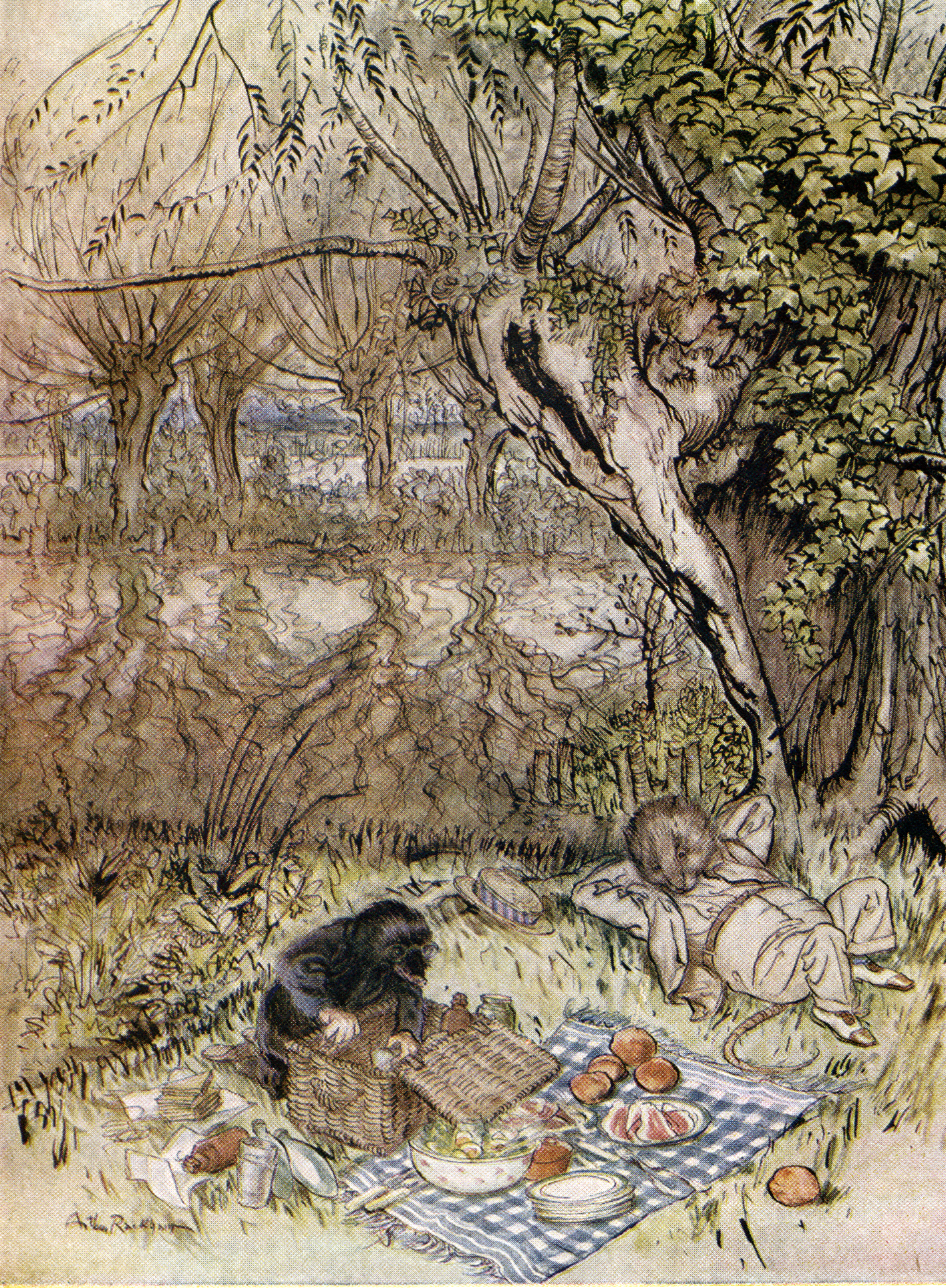
“The Mole begged as a favour to be allowed to unpack it all by himself,” In Wind in the Willows by Kenneth Grahame. New York: Scribner’s Sons, 1931.
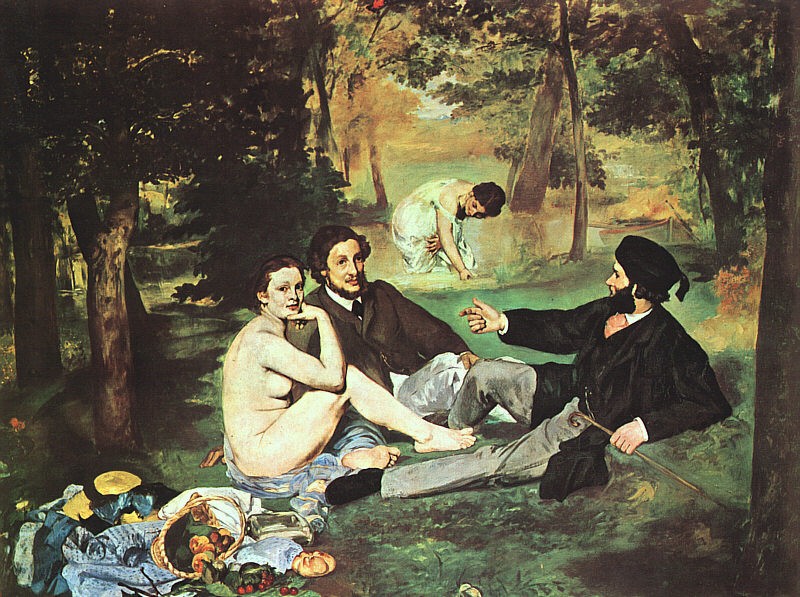
Manet’s Le déjeuner sur l’herbe is a French euphemism for a picnic in English. Pique-nique was not used for an alfresco luncheon but for an indoor dinner, repas de pique-nique. When it was exhibited in 1863 at the Salon des Refusés, the painting was titled...
The Picnic, a seven-minute Mickey Mouse packs as many picnic conventions as possible: a motorcar drive to the country, a stream, shady tree, a wicker basket, a gingham cloth jammed with a gourmand feast of sandwiches, Swiss cheese, mustard, pickles, olives, honey,...
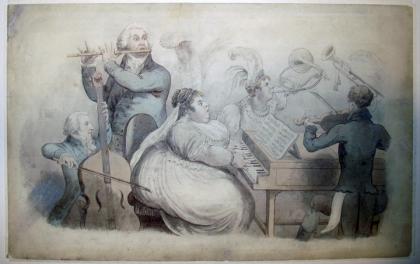
The Pic-Nic Society was a London club devoted to theatrical entertainment, lavish dinners, and gambling. The Pic-Nics notoriety invited scandal and satire. Burney’s The Pic-Nic Orchestra is a knock-off of James Gillray’s The Pic-Nic Orchestra. Caricatures...
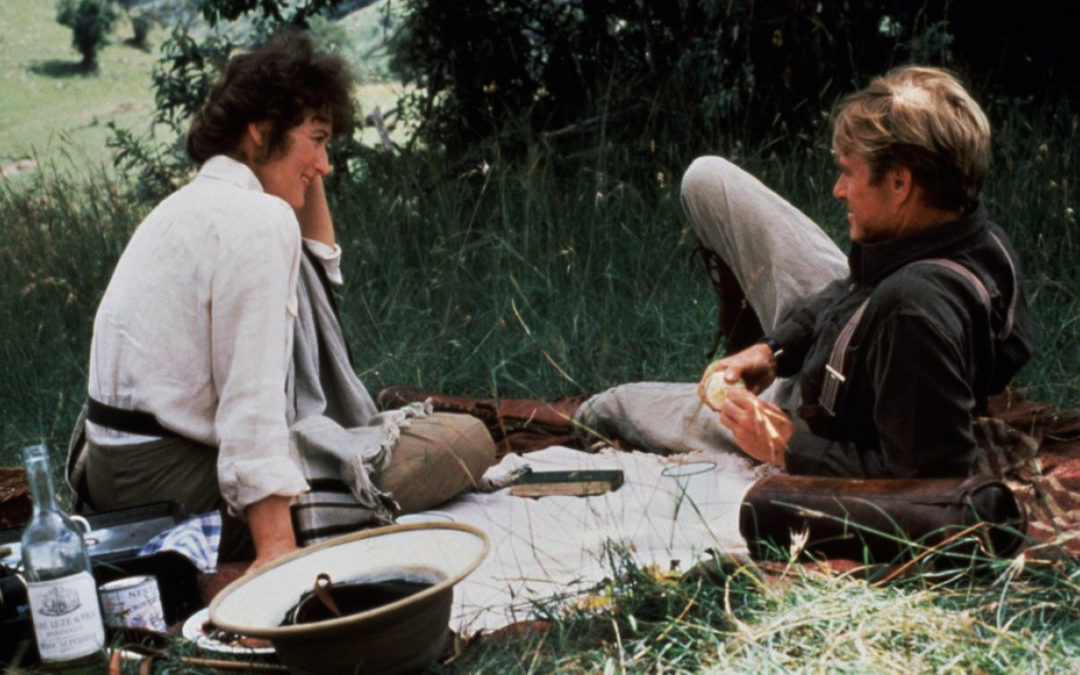
Blixen’s Out of Africa is a memoir without picnics. But Pollack and his screenwriter Kurt Luedke have added two picnic episodes that reveal Blixen’s characteristic vanity and romantic nature. Neither is a particularly happy picnic. The first picnic is in...
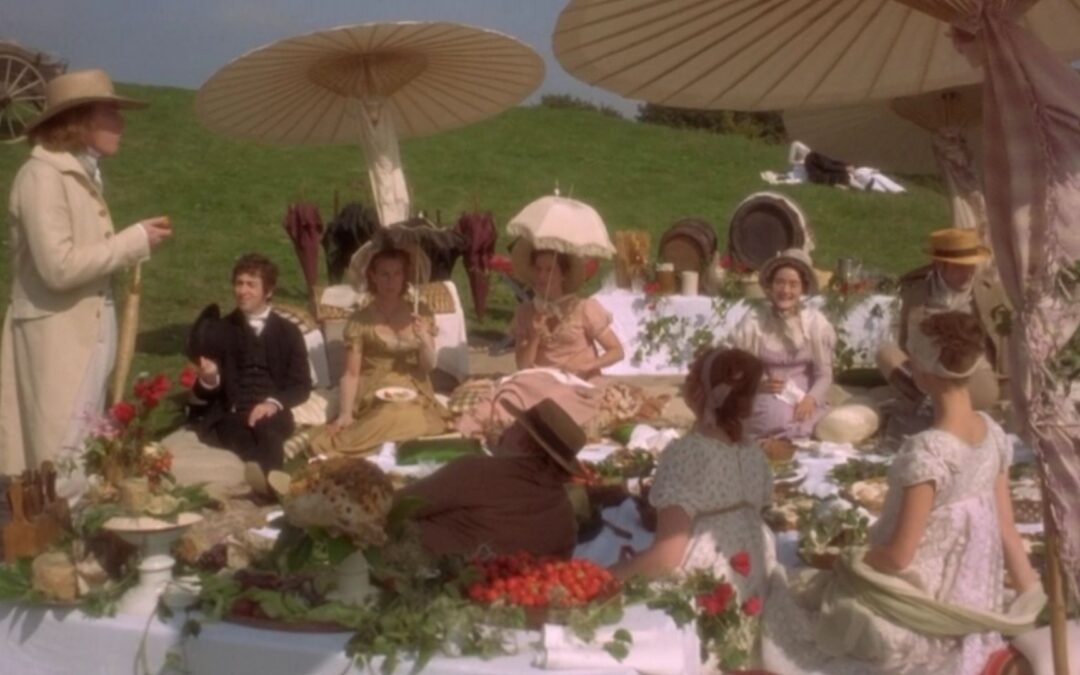
By the last count, seven directors have filmed Austen’s Emma. None of them are definitive or even alike. A list is provided as a separate entry. McGrath’s Emma is lively, and his picnic episode at Donwell Abbey and Box Hill is reasonably close to...
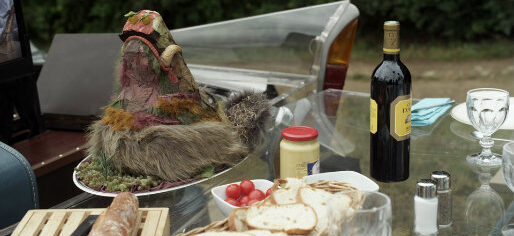
The picnic in Gondry’s Mood Indigo [L’Écume des jours] is his invention, a goofy addition to Boris Vian’s surrealistic novel L’Écume des jours. * It’s the love story of Colin, who is manic and unpredictable, and Chloe, who is stable until she meets...
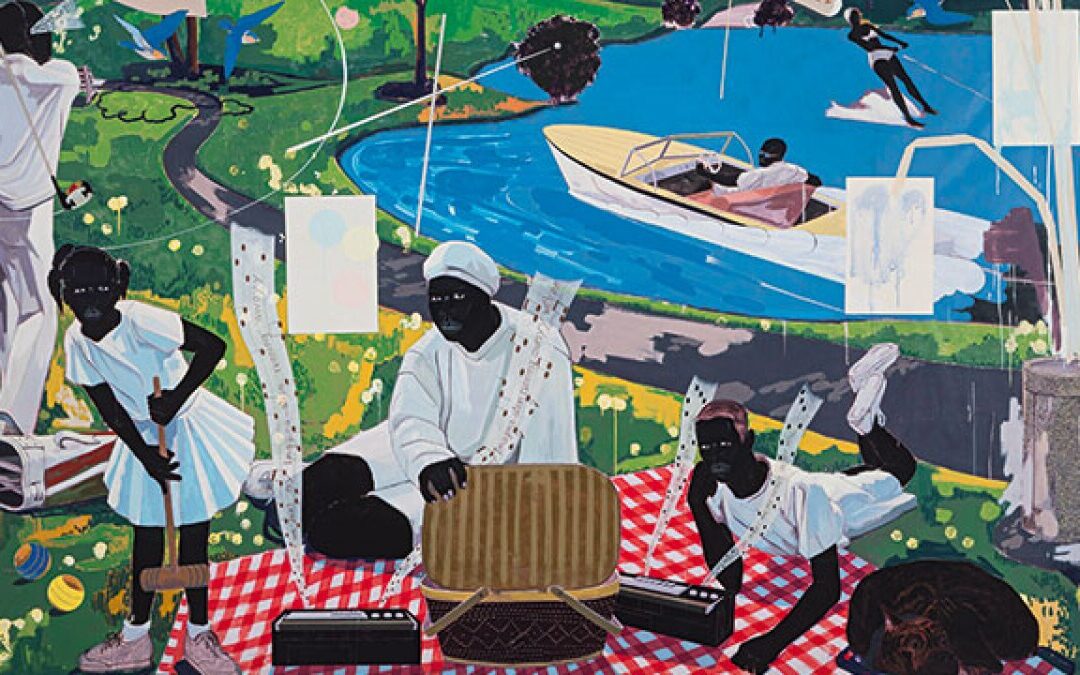
Marshall’s title of Past Times is ambiguous. Usually, leisure activities are “pastimes,” but as two words “past times” suggests his memories of picnics or, more generally, the pleasantries of leisure. His ambiguity is intentional, especially because this is a picnic...
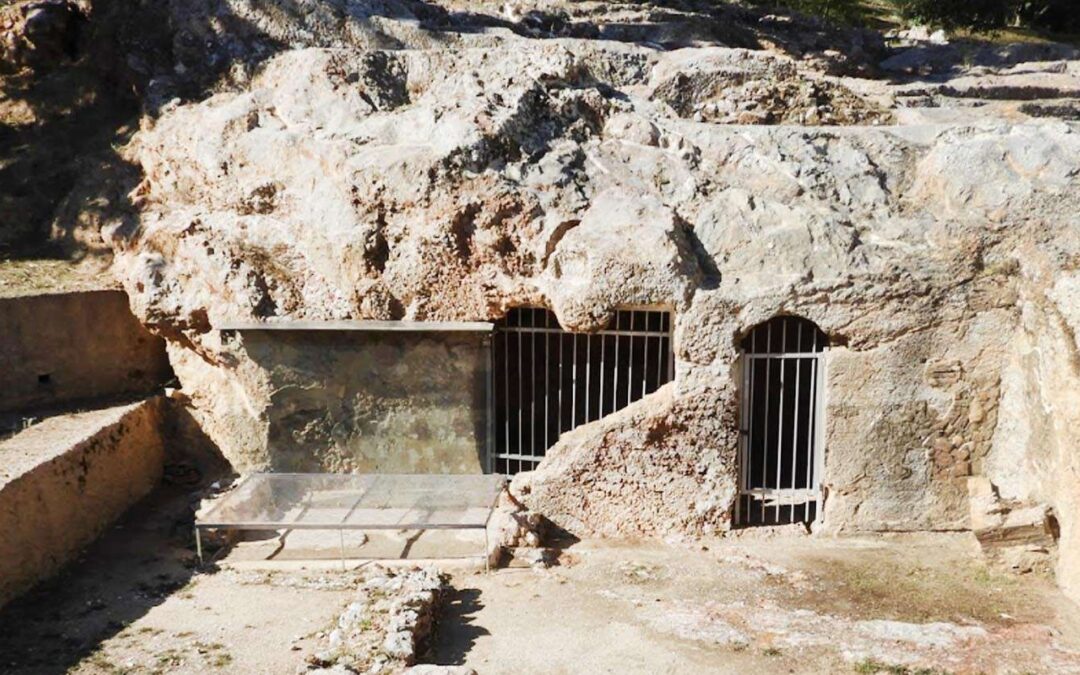
Menander’s comedy The Bad-Tempered Man [aka Dyskolos] was lost for centuries until discovered in the 1950s. A pivotal episode is a pilgrimage to the shrine of Pan at Phyle on a hillside in what is now Athens, where a sacrificial meal will cooked to appease the...
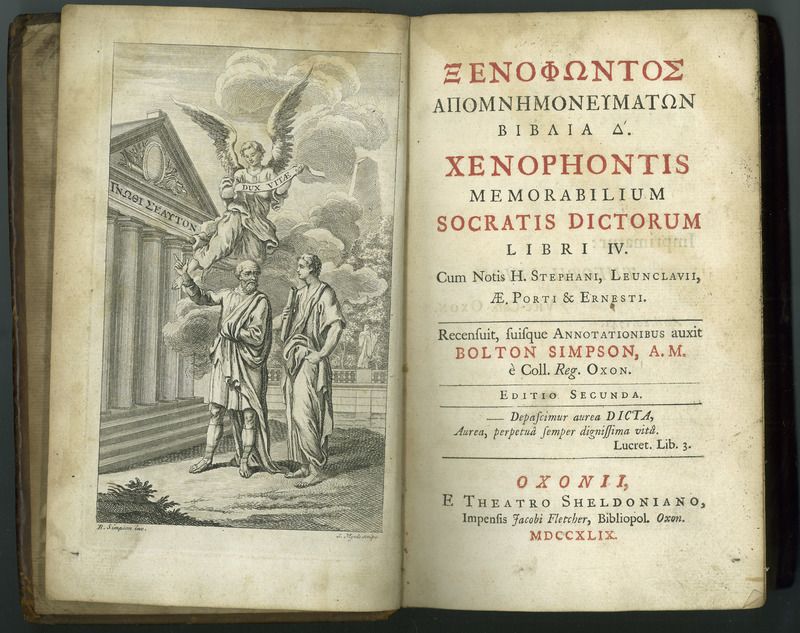
The custom of sharing food or eranos was common among the ancient Greeks. In The Memorabilia, Xenophon discusses a dinner party at which Socrates suggests that the food and drink be collected in common stock, so there is no social discord about who brought what to...
Horace delights in a rustic country dinner resembling eranos, the Greek custom of dining where each guest contributes something. A guest might contribute money, food, drink, or entertainment. Horace’s adaptation of this custom required that his guest provide...
Hunting feasts have a long history. Among the Romans, one such by Philostratus Elder uses the rhetorical device of Ekphrasis, a verbal description of a visual representation, to illustrate a painting he observed in Naples. Ironically, none survive, if they existed at...
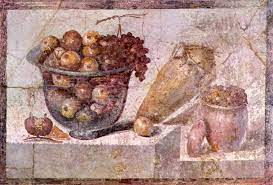
Seneca says that eating ripe figs at a picnic brings “me a New Year feast every day, and I make the New Year happy and prosperous by good thoughts and greatness of soul.” Figs—only figs—that he claims is a substitute for bread. It is among the oddest main dishes for a...
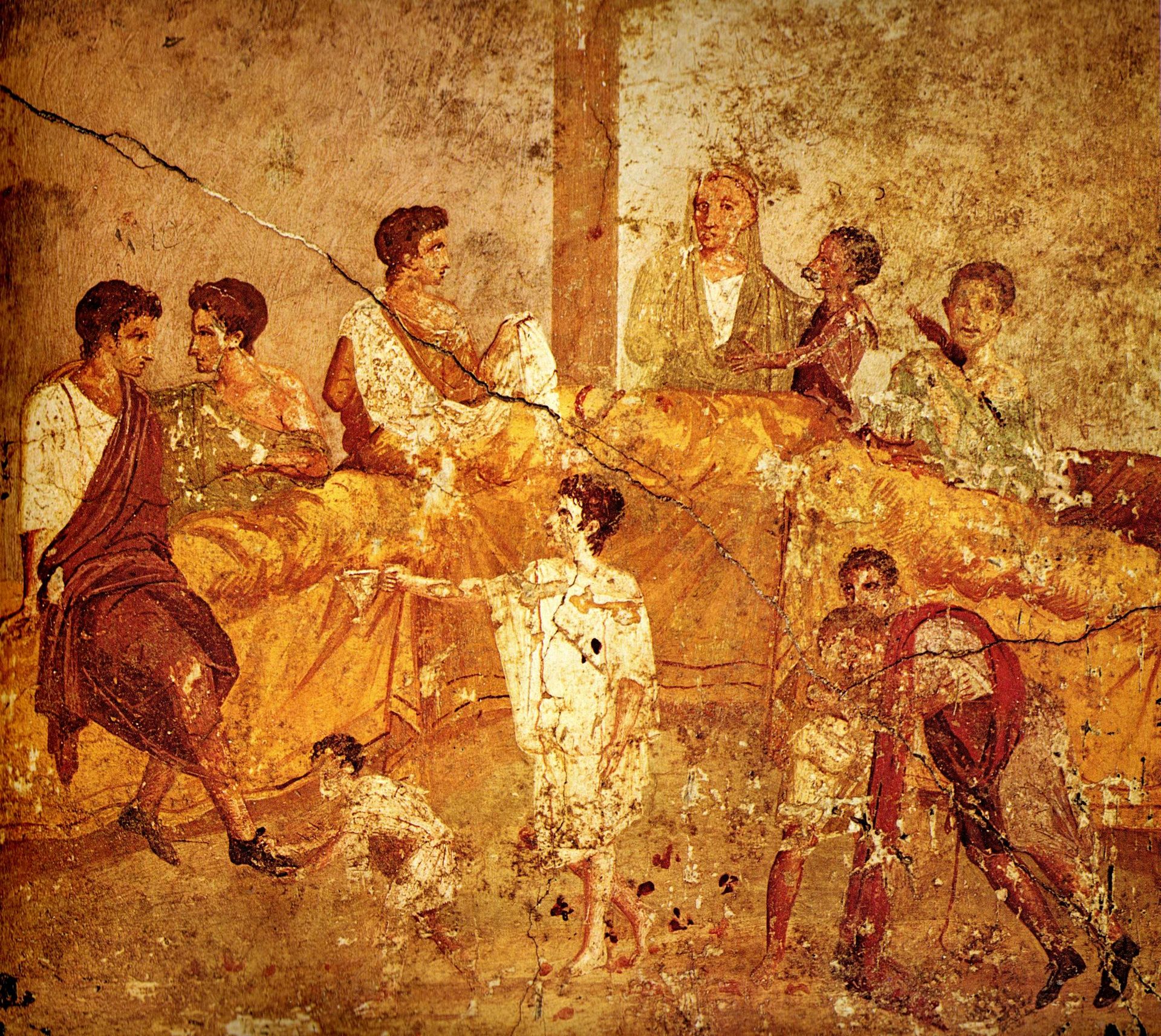
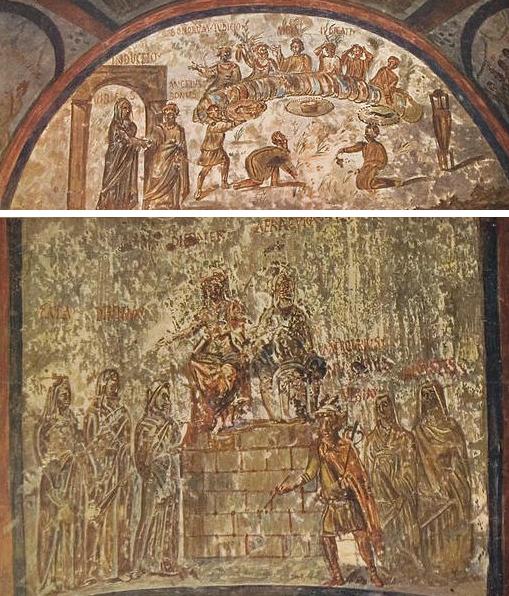
The feast that decorates Vibia’s resembles a picnic. Her life story is painted in an indented arch. In a comic strip style, Vibia journeys through Hades to Elysium at her death. On the left, Vibia is being led through an archway labeled Inductio by Good Angel, Angelus...
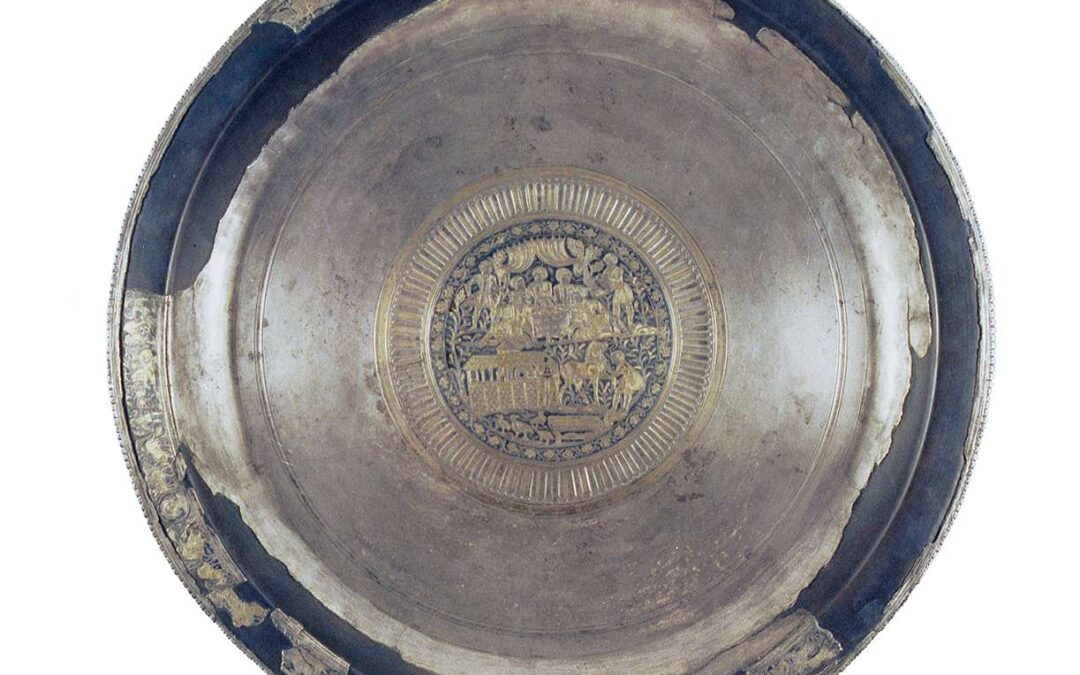
The Sevso Plate * (27.8 inches in diameter) may also reference a hunting feast describe by the roman writer Philostratus. But the iconography is Christian. The Chi-Rho situated at the apex of the legend on the plate’s circumference is a symbol for Jesus Christ...
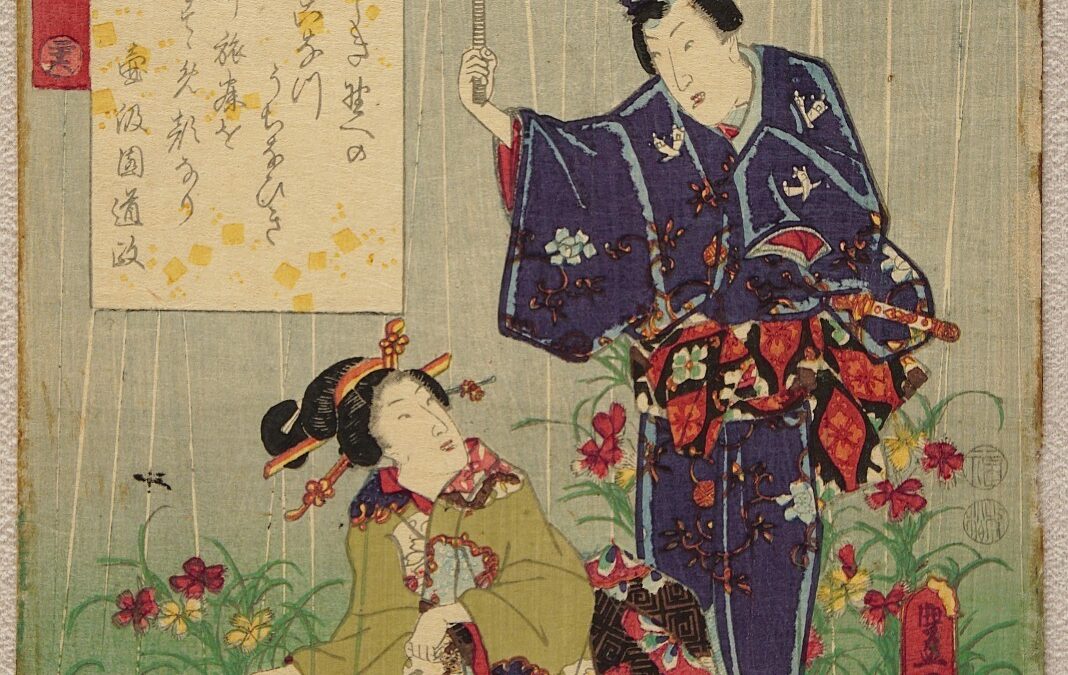
to relax at a palace fishing pavilion with close friends. Arthur Whaley translates the outing as a picnic, though Lady Murasaki has no such vocabulary word. The chapter is “Wild Carnations” or Tokonatsu One very hot day Genji, finding the air at the New...
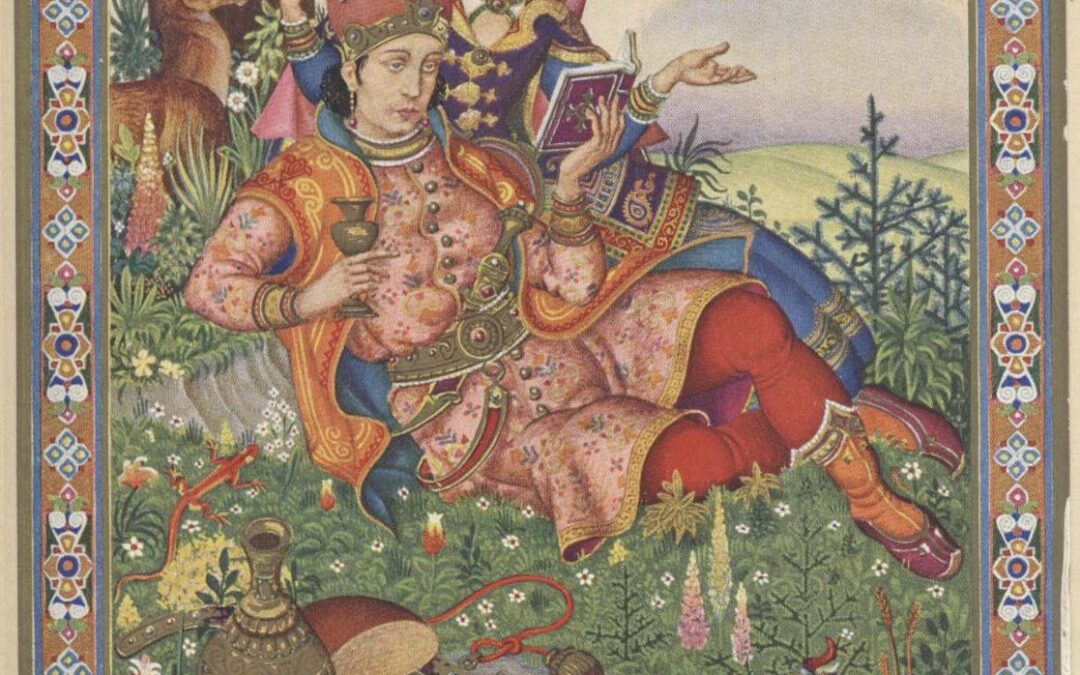
Omar Khayyam is better known for his love poems than his philosophy. His vision of lovers picnicking is in Rubáiyát “XI” in the collection of his poetry titled The Rubáiyát of Omar Khayyám, most often read in Edward Fitzgerald translation: A Book of Verses...
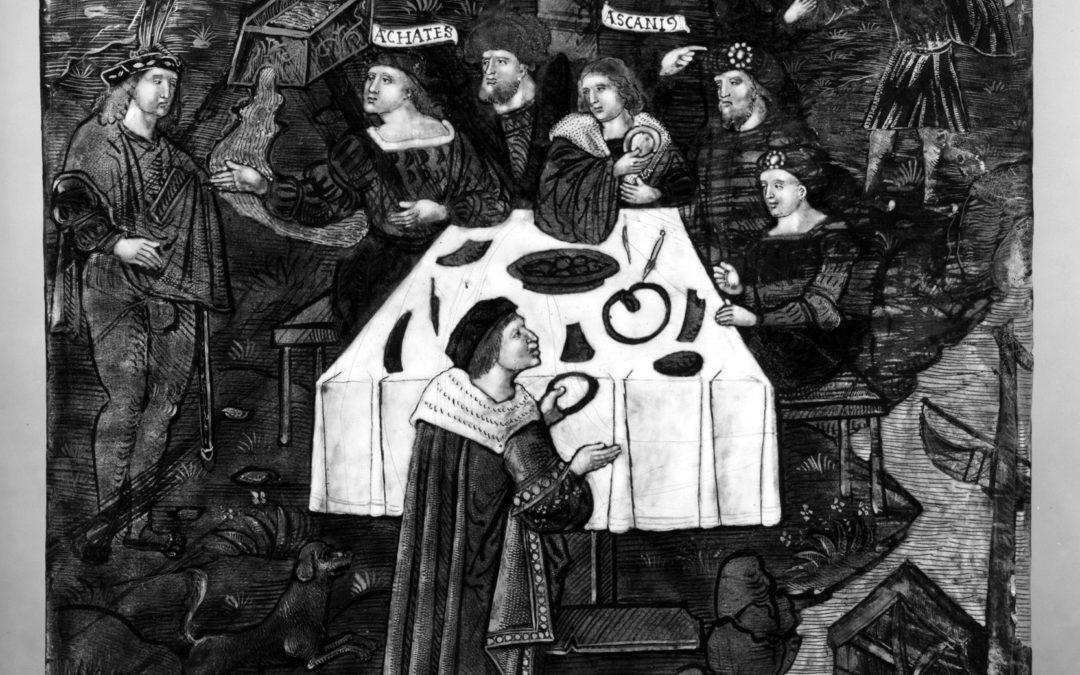
A prophecy held that Aeneas and companions would know where to build the new Troy when they were desperately hungry, and even eating their plates—trenchers made of thick slices of stale bread. This revelation occurs at their first meal in Latium. Virgil’s...
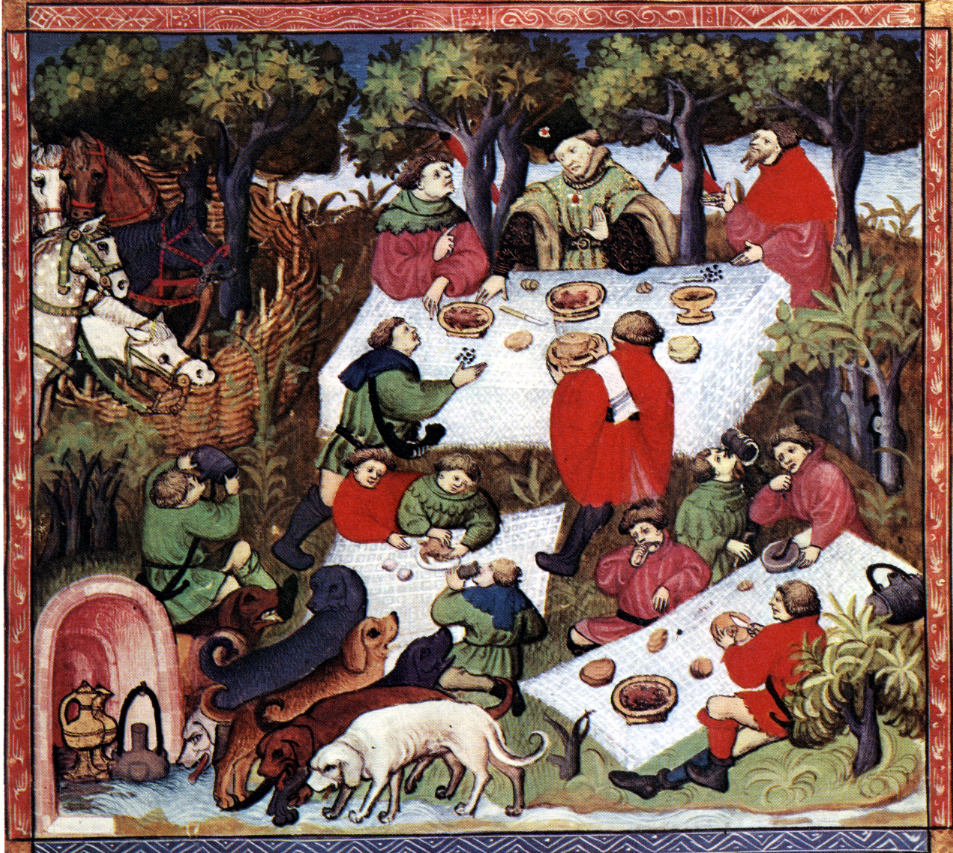
Gaston’s Le livre de la chasse formalized the hunter’s assemblée as the model for a meal during a hunt. It is not a picnic. Gaston did not intend this gathering as a luncheon but as an early morning meeting during which the day’s hunt was discussed...
Widerberg’s Elvira Madigan has two picnics. The first is a lover’s idyll; the second is sad and deadly. When Elvira Madigan, aka Hedvig Jensen, a circus performer, and Count Sixten Sparre, a married cavalry officer, eloped, their life together was a picnic. Their...
“The Mole begged as a favour to be allowed to unpack it all by himself,” In Wind in the Willows by Kenneth Grahame. New York: Scribner’s Sons, 1931.
Manet’s Le déjeuner sur l’herbe is a French euphemism for a picnic in English. Pique-nique was not used for an alfresco luncheon but for an indoor dinner, repas de pique-nique. When it was exhibited in 1863 at the Salon des Refusés, the painting was titled...
The Picnic, a seven-minute Mickey Mouse packs as many picnic conventions as possible: a motorcar drive to the country, a stream, shady tree, a wicker basket, a gingham cloth jammed with a gourmand feast of sandwiches, Swiss cheese, mustard, pickles, olives, honey,...
The Pic-Nic Society was a London club devoted to theatrical entertainment, lavish dinners, and gambling. The Pic-Nics notoriety invited scandal and satire. Burney’s The Pic-Nic Orchestra is a knock-off of James Gillray’s The Pic-Nic Orchestra. Caricatures...
Blixen’s Out of Africa is a memoir without picnics. But Pollack and his screenwriter Kurt Luedke have added two picnic episodes that reveal Blixen’s characteristic vanity and romantic nature. Neither is a particularly happy picnic. The first picnic is in...
By the last count, seven directors have filmed Austen’s Emma. None of them are definitive or even alike. A list is provided as a separate entry. McGrath’s Emma is lively, and his picnic episode at Donwell Abbey and Box Hill is reasonably close to...
The picnic in Gondry’s Mood Indigo [L’Écume des jours] is his invention, a goofy addition to Boris Vian’s surrealistic novel L’Écume des jours. * It’s the love story of Colin, who is manic and unpredictable, and Chloe, who is stable until she meets...
Marshall’s title of Past Times is ambiguous. Usually, leisure activities are “pastimes,” but as two words “past times” suggests his memories of picnics or, more generally, the pleasantries of leisure. His ambiguity is intentional, especially because this is a picnic...
Menander’s comedy The Bad-Tempered Man [aka Dyskolos] was lost for centuries until discovered in the 1950s. A pivotal episode is a pilgrimage to the shrine of Pan at Phyle on a hillside in what is now Athens, where a sacrificial meal will cooked to appease the...
The custom of sharing food or eranos was common among the ancient Greeks. In The Memorabilia, Xenophon discusses a dinner party at which Socrates suggests that the food and drink be collected in common stock, so there is no social discord about who brought what to...
Horace delights in a rustic country dinner resembling eranos, the Greek custom of dining where each guest contributes something. A guest might contribute money, food, drink, or entertainment. Horace’s adaptation of this custom required that his guest provide...
Hunting feasts have a long history. Among the Romans, one such by Philostratus Elder uses the rhetorical device of Ekphrasis, a verbal description of a visual representation, to illustrate a painting he observed in Naples. Ironically, none survive, if they existed at...
Seneca says that eating ripe figs at a picnic brings “me a New Year feast every day, and I make the New Year happy and prosperous by good thoughts and greatness of soul.” Figs—only figs—that he claims is a substitute for bread. It is among the oddest main dishes for a...
The feast that decorates Vibia’s resembles a picnic. Her life story is painted in an indented arch. In a comic strip style, Vibia journeys through Hades to Elysium at her death. On the left, Vibia is being led through an archway labeled Inductio by Good Angel, Angelus...
The Sevso Plate * (27.8 inches in diameter) may also reference a hunting feast describe by the roman writer Philostratus. But the iconography is Christian. The Chi-Rho situated at the apex of the legend on the plate’s circumference is a symbol for Jesus Christ...
to relax at a palace fishing pavilion with close friends. Arthur Whaley translates the outing as a picnic, though Lady Murasaki has no such vocabulary word. The chapter is “Wild Carnations” or Tokonatsu One very hot day Genji, finding the air at the New...
Omar Khayyam is better known for his love poems than his philosophy. His vision of lovers picnicking is in Rubáiyát “XI” in the collection of his poetry titled The Rubáiyát of Omar Khayyám, most often read in Edward Fitzgerald translation: A Book of Verses...
A prophecy held that Aeneas and companions would know where to build the new Troy when they were desperately hungry, and even eating their plates—trenchers made of thick slices of stale bread. This revelation occurs at their first meal in Latium. Virgil’s...
Gaston’s Le livre de la chasse formalized the hunter’s assemblée as the model for a meal during a hunt. It is not a picnic. Gaston did not intend this gathering as a luncheon but as an early morning meeting during which the day’s hunt was discussed...