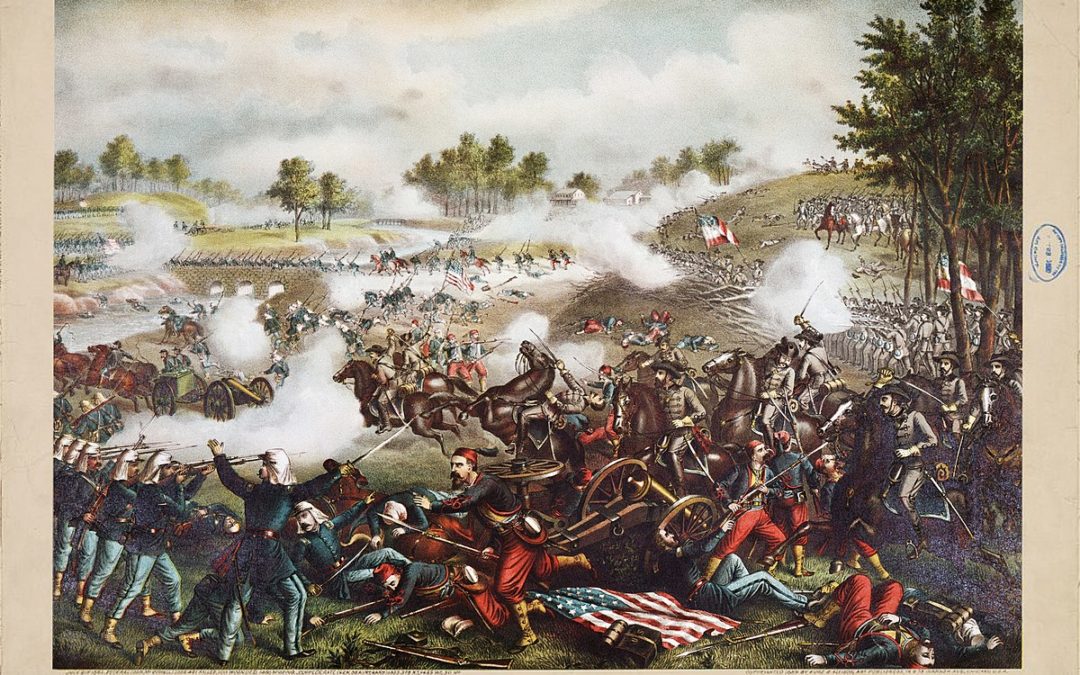
The phrase “No picnic in May” was already a cliché in July 1861 when Melville wrote in the aftermath of Bull Run, also known as the Battle of Manassas. It was an unexpected defeat for the Union army that deflated expectations of an easy victory against the Confederacy...
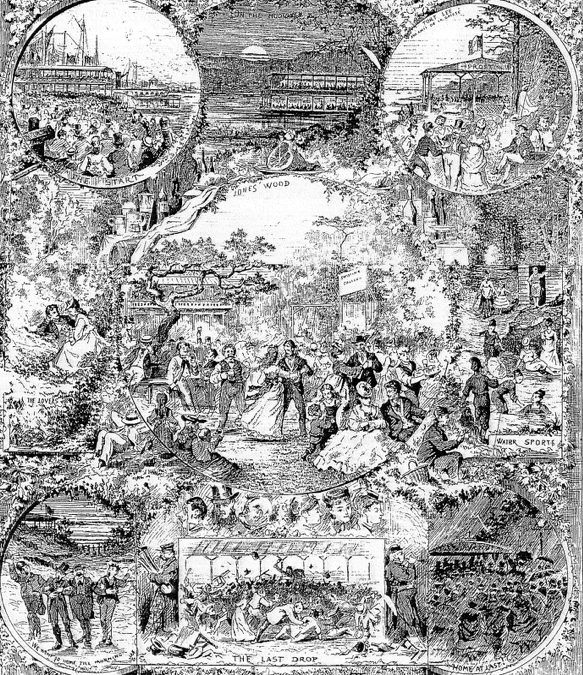
Tavernier’s “The Picnic Season,” a cover for The Daily Graphic, depicts a picnic excursion up the Hudson River. The narrative begins as picnickers board a steamer from Jones Wood, a famous commercial picnic ground in northern Manhattan (an area on the east side...
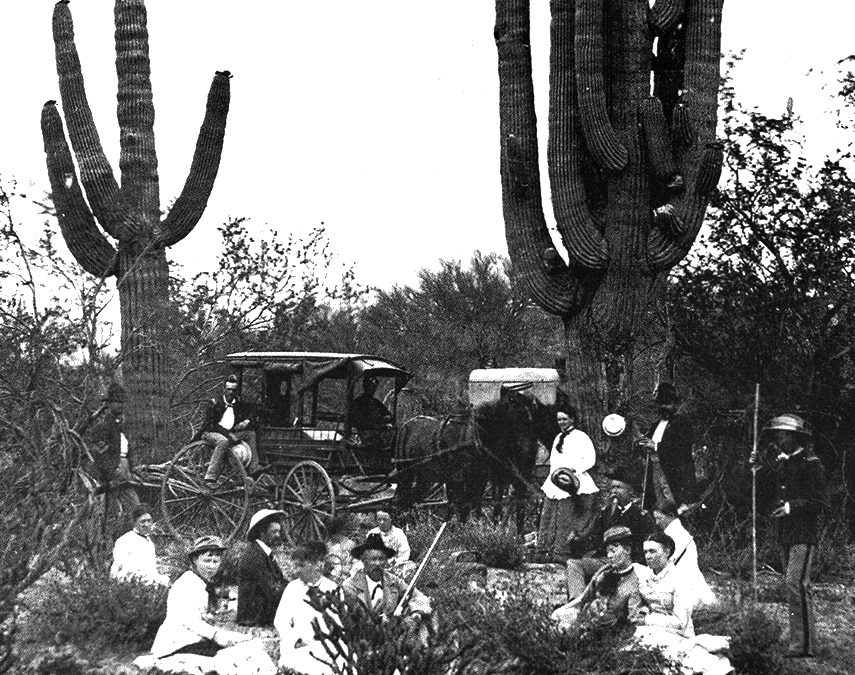
When Rothrock photographed this picnic party of soldiers and their wives and companions in the desert at Fort McDowell, that temperature was probably 92 degrees, give or take. The group had gone to the desert to celebrate May Day, and Rothrock accompanied them. His...
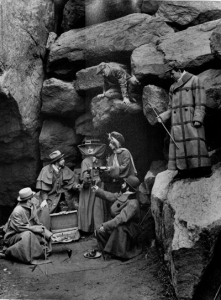
Tintagel Castle and its Arthurian associations have perennial romantic appeal—but Mary Elizabeth Braddon is the first to fictionalize a picnic on the crag, and it’s her addition to Britain’s mythology. With lunch from a local inn, Christabel Courtnay,...
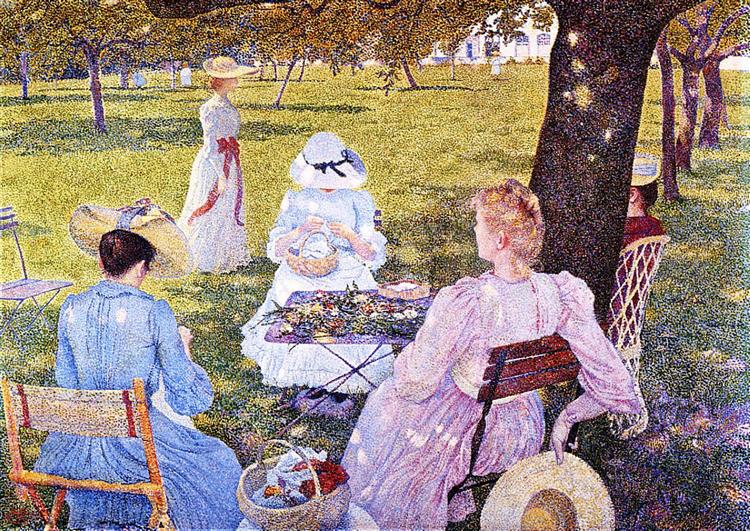
See Theo Van Rysselberghe. The Family In The Orchard (1890). Collection State Museum Kroller-Muller,Otterlo, Netherlands
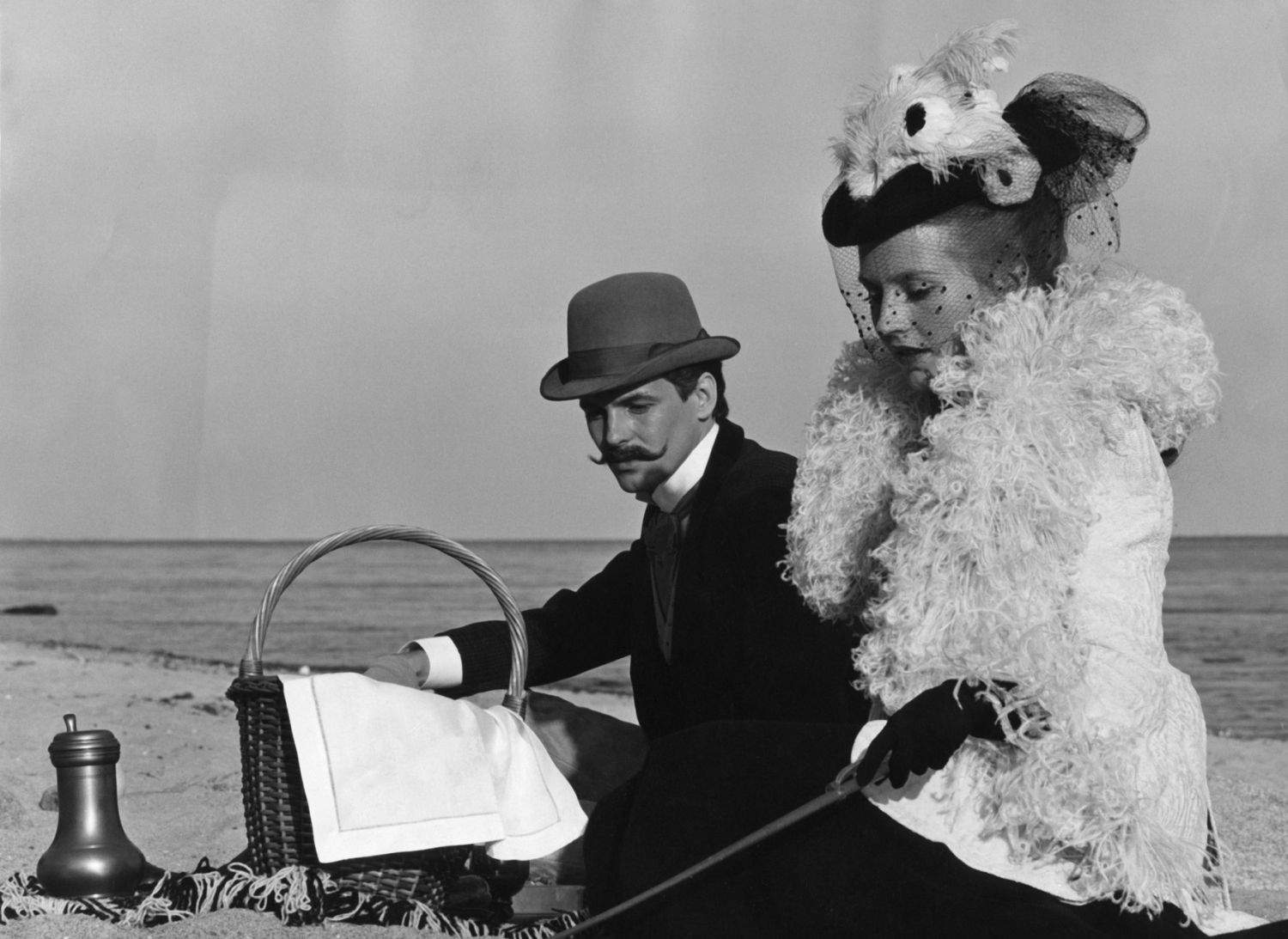
Fontane’s take on adultery in Effi Briest is a long, long sad story hinging on a beach-picnic-love affair. At first, it’s a recreational outing for Effi Briest and a friend, Major von Crampas. But soon, the recreation becomes a cover for lust. Though...
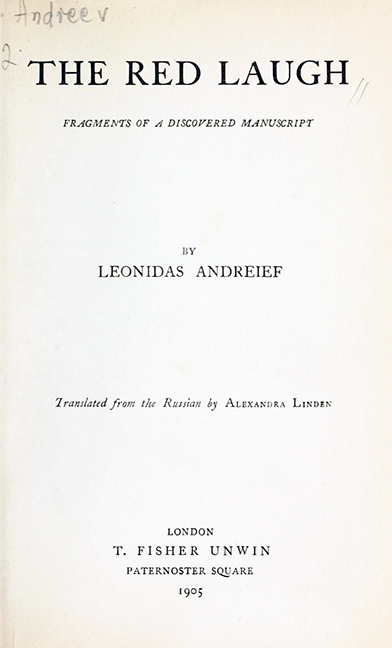
Leonid Andreyev’s morose, anti-war story conjures the nightmare of Russia’s war in Manchuria. The picnic is described in a chapter titled “Horror and Madness” that occurs just after soldiers “rescue” a dead comrade on the front line. “That same evening,” the narrator...
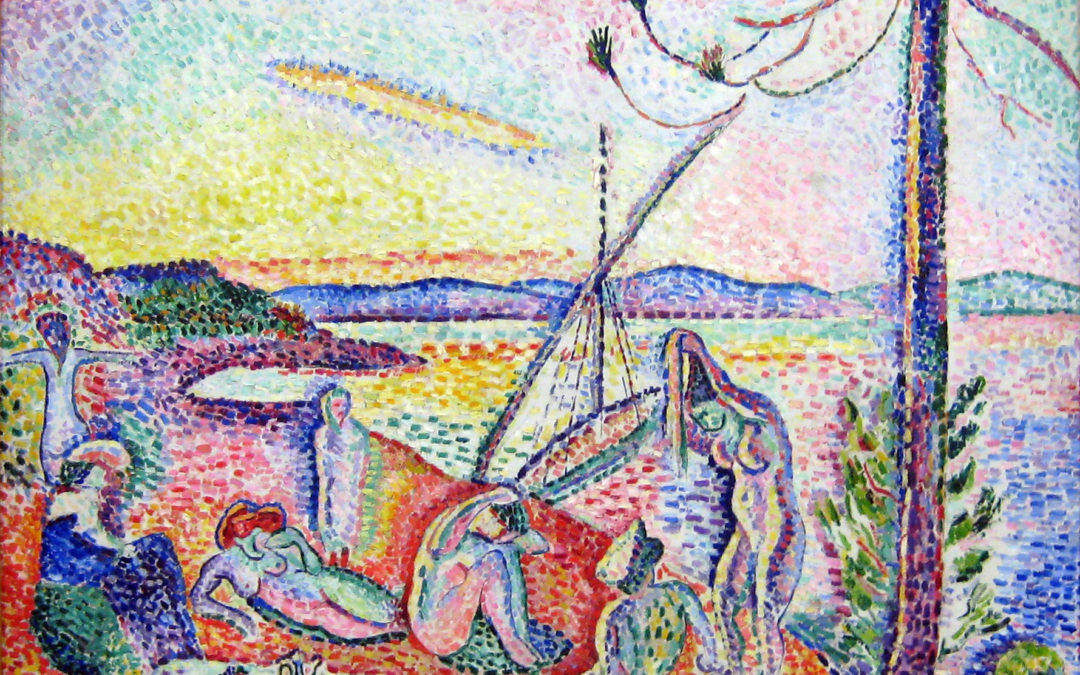
Luxe, Calme et Volupté, or Calm, Luxury, and Sensual Pleasure, was Matisse’s shimmering beach picnic at Saint-Tropez, was a belated response to Édouard Manet’s Luncheon on the Grass (1864). Painted in Saint-Tropez, Matisse’s atmosphere vibrates with glowing reds,...
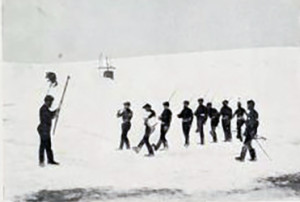
Charcot, Doctor of Medicine, and polar explorer picnicked twice in Antarctica. Each time, he used the situation to divert his crew from the boredom of being ice-bound. Charcot does not mention what they ate or drank in 1904 but uncharacteristically notes the episode...
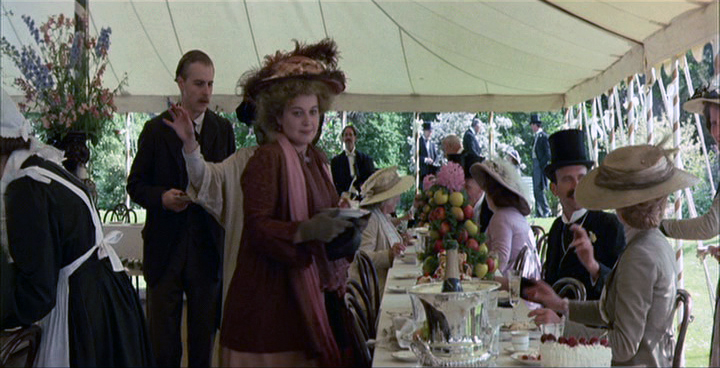
Henry Wilcox’s garden party for his daughter’s wedding s reveals Edwardian hypocrisy and predatory sexuality. It’s a turning point in Foster’s Howards End. Forster scants the dinner itself, but when it is about to end, the guests are in stages...
The phrase “No picnic in May” was already a cliché in July 1861 when Melville wrote in the aftermath of Bull Run, also known as the Battle of Manassas. It was an unexpected defeat for the Union army that deflated expectations of an easy victory against the Confederacy...
Tavernier’s “The Picnic Season,” a cover for The Daily Graphic, depicts a picnic excursion up the Hudson River. The narrative begins as picnickers board a steamer from Jones Wood, a famous commercial picnic ground in northern Manhattan (an area on the east side...
When Rothrock photographed this picnic party of soldiers and their wives and companions in the desert at Fort McDowell, that temperature was probably 92 degrees, give or take. The group had gone to the desert to celebrate May Day, and Rothrock accompanied them. His...
Tintagel Castle and its Arthurian associations have perennial romantic appeal—but Mary Elizabeth Braddon is the first to fictionalize a picnic on the crag, and it’s her addition to Britain’s mythology. With lunch from a local inn, Christabel Courtnay,...
See Theo Van Rysselberghe. The Family In The Orchard (1890). Collection State Museum Kroller-Muller,Otterlo, Netherlands
Fontane’s take on adultery in Effi Briest is a long, long sad story hinging on a beach-picnic-love affair. At first, it’s a recreational outing for Effi Briest and a friend, Major von Crampas. But soon, the recreation becomes a cover for lust. Though...
Leonid Andreyev’s morose, anti-war story conjures the nightmare of Russia’s war in Manchuria. The picnic is described in a chapter titled “Horror and Madness” that occurs just after soldiers “rescue” a dead comrade on the front line. “That same evening,” the narrator...
Luxe, Calme et Volupté, or Calm, Luxury, and Sensual Pleasure, was Matisse’s shimmering beach picnic at Saint-Tropez, was a belated response to Édouard Manet’s Luncheon on the Grass (1864). Painted in Saint-Tropez, Matisse’s atmosphere vibrates with glowing reds,...
Charcot, Doctor of Medicine, and polar explorer picnicked twice in Antarctica. Each time, he used the situation to divert his crew from the boredom of being ice-bound. Charcot does not mention what they ate or drank in 1904 but uncharacteristically notes the episode...
Henry Wilcox’s garden party for his daughter’s wedding s reveals Edwardian hypocrisy and predatory sexuality. It’s a turning point in Foster’s Howards End. Forster scants the dinner itself, but when it is about to end, the guests are in stages...