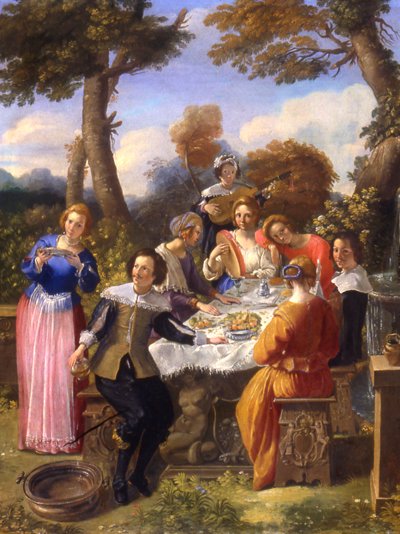
Passeri’s A Party Feasting in a Garden seems like a happy end to an alfresco luncheon. Young couples are deep in conversation, flirting, and courting, which suggests this is a garden of love. It is casual and innocent, though Passari is a moralist. Close examination...
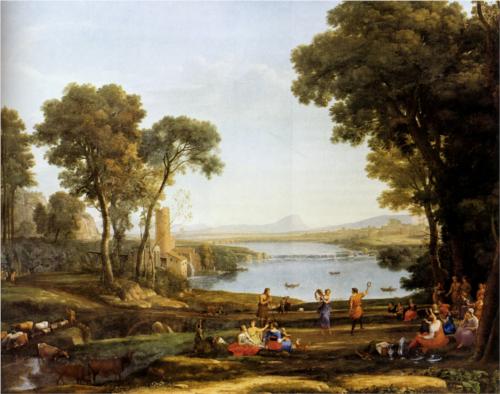
Claude should have named his painting scampagnata (holiday in the country), merenda sull’erba, or lolazione sull’erba (picnic on the grass). But Claude enhanced Landscape with the Marriage of Isaac and Rebecca with a biblical allusion to Genesis, 24, the...
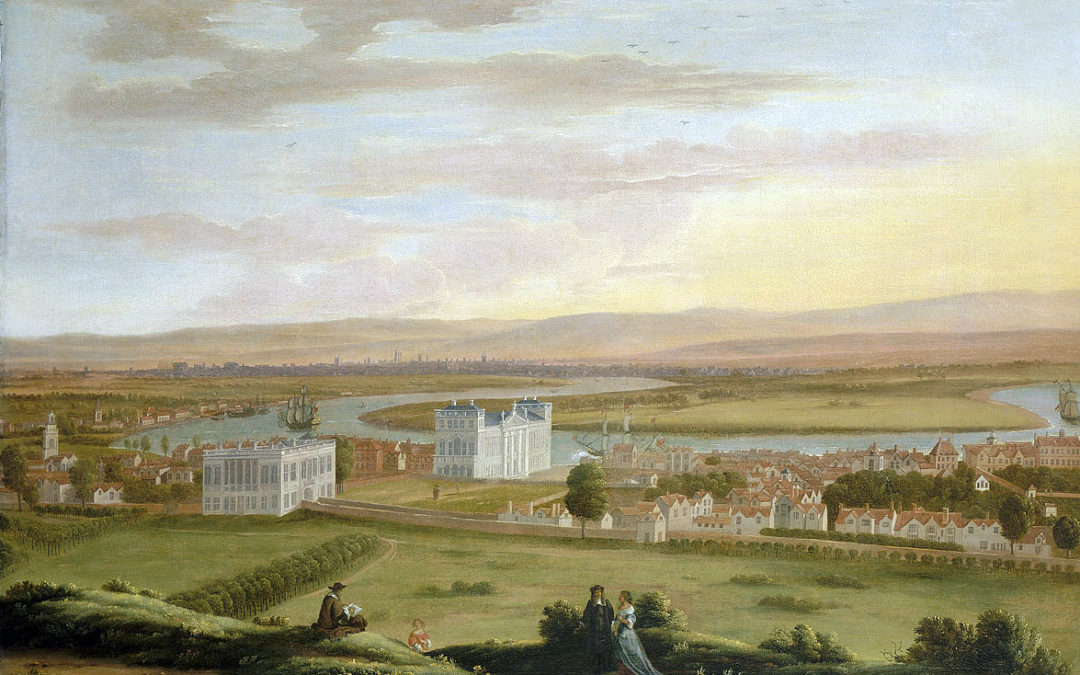
Pepys’s “frolique” is a euphemism for a picnic, which did not exist as a word in English. It was among his favorite ways to spend an afternoon with friends idling. It was a favorite way for him to spend an afternoon with friends idling. We know this...
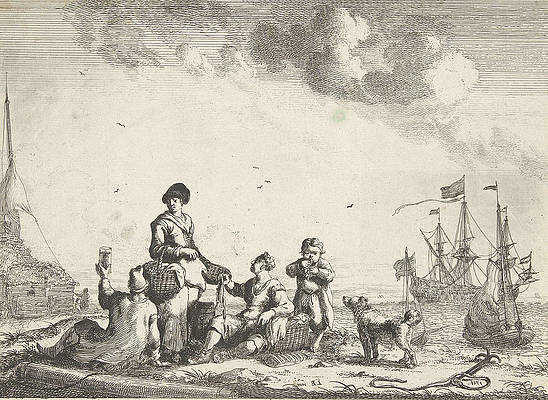
Bakhuizen embellished this seascape (his usual subject) with a group of picnickers. Picnick ann zee’s contemporary title is appropriate but inaccurate because picnic was not applied to an alfresco meal in 1701. Pique-nique had only been included in Gilles...
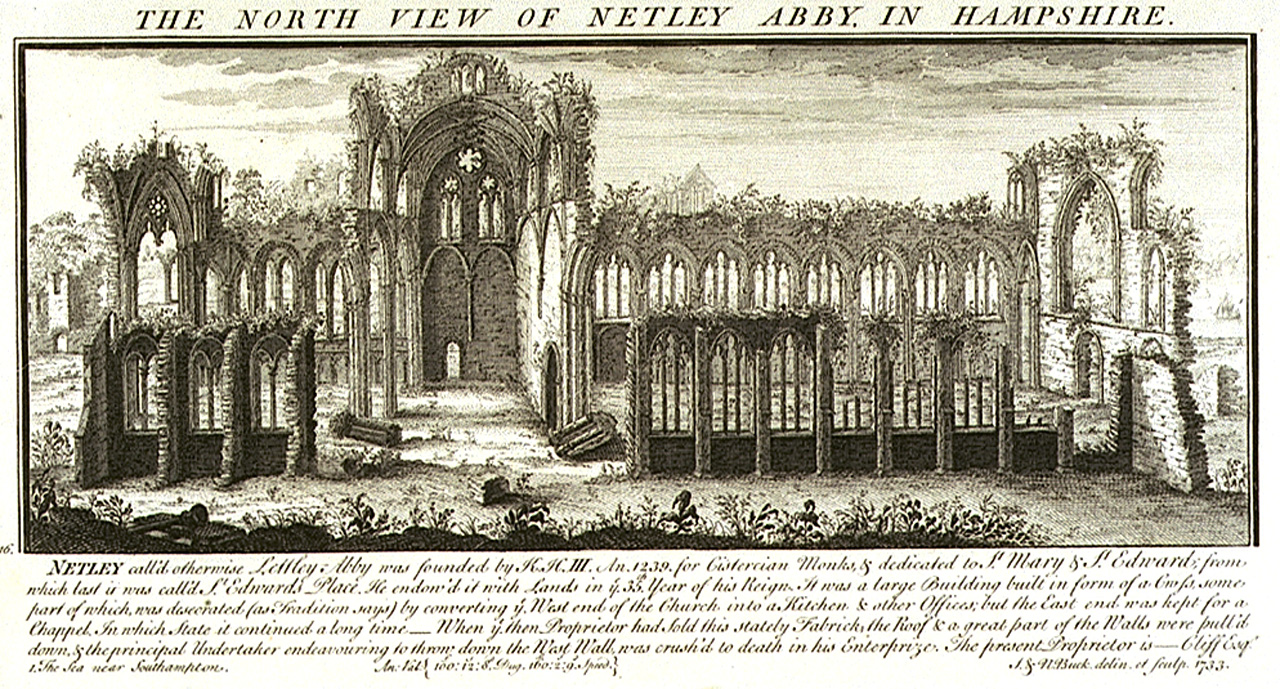
Writing to his dear friend (and probable mistress) Martha Blount, Pope related his adventure at Netley Abbey and his alfresco luncheon there. He does not call it a picnic because the word was not used in English parlance until 1806. (See Harris’s The happy...
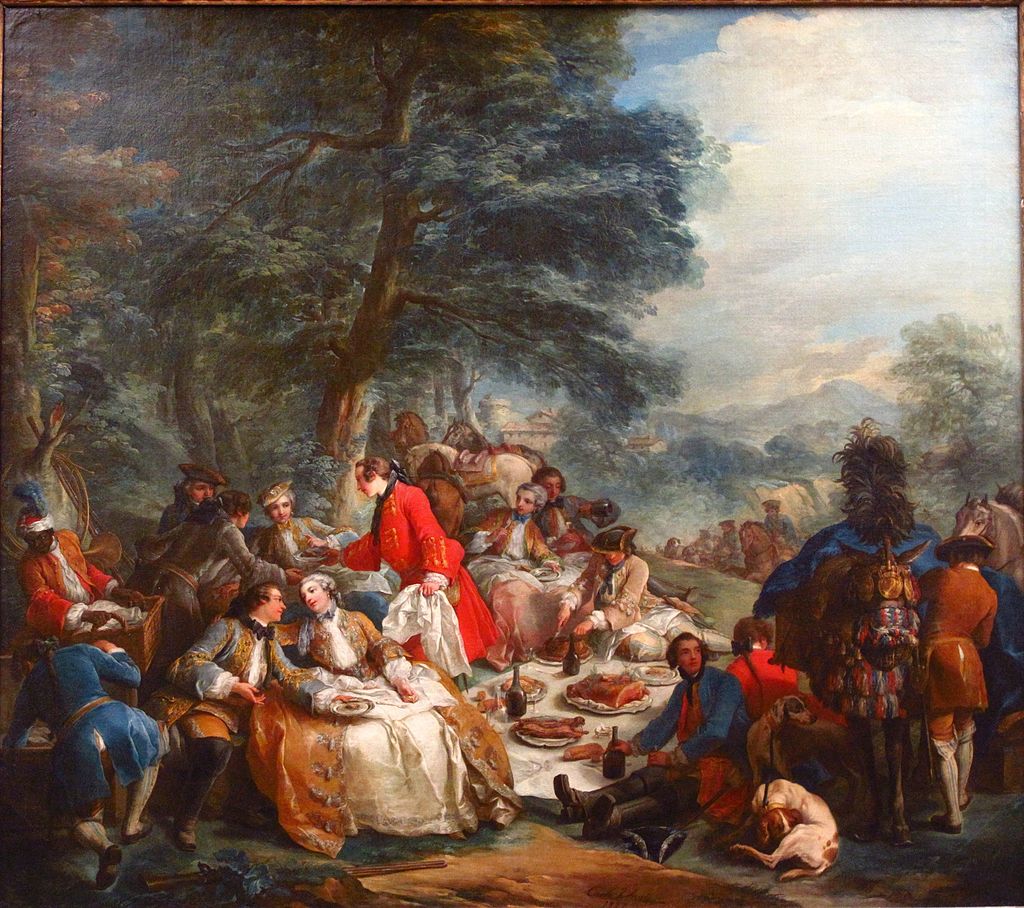
De Troy’s hunt meals were designed for aristocratic patrons. Two paintings Hunt Breakfast and The Death of a Stag were commissioned as companions pieces by Louis XV and designed for his private dining room in Fontainebleau. Hunt Breakfast depicts the high spirits of...
As usual among the French, a halt on the hunt is never referred to as a picnic, although that’s what it is. Van Loo’s Halte de chasse is a narrative of a stop during the hunt, at which the ladies meet the hunters at a predetermined place, called a tryst,...
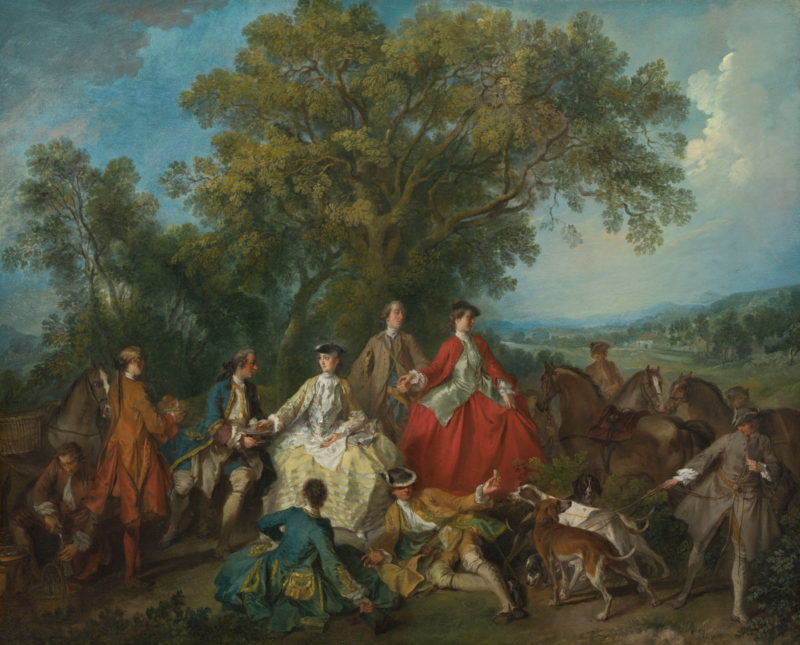
Because the scene is obviously a picnic, the National Gallery of Art’s title, The Picnic after the Hunt, is apt. But Lancret would not have used pique-nique because the French denoted it as an indoor dinner. More likely, he would have titled un repas de chasse, as he...
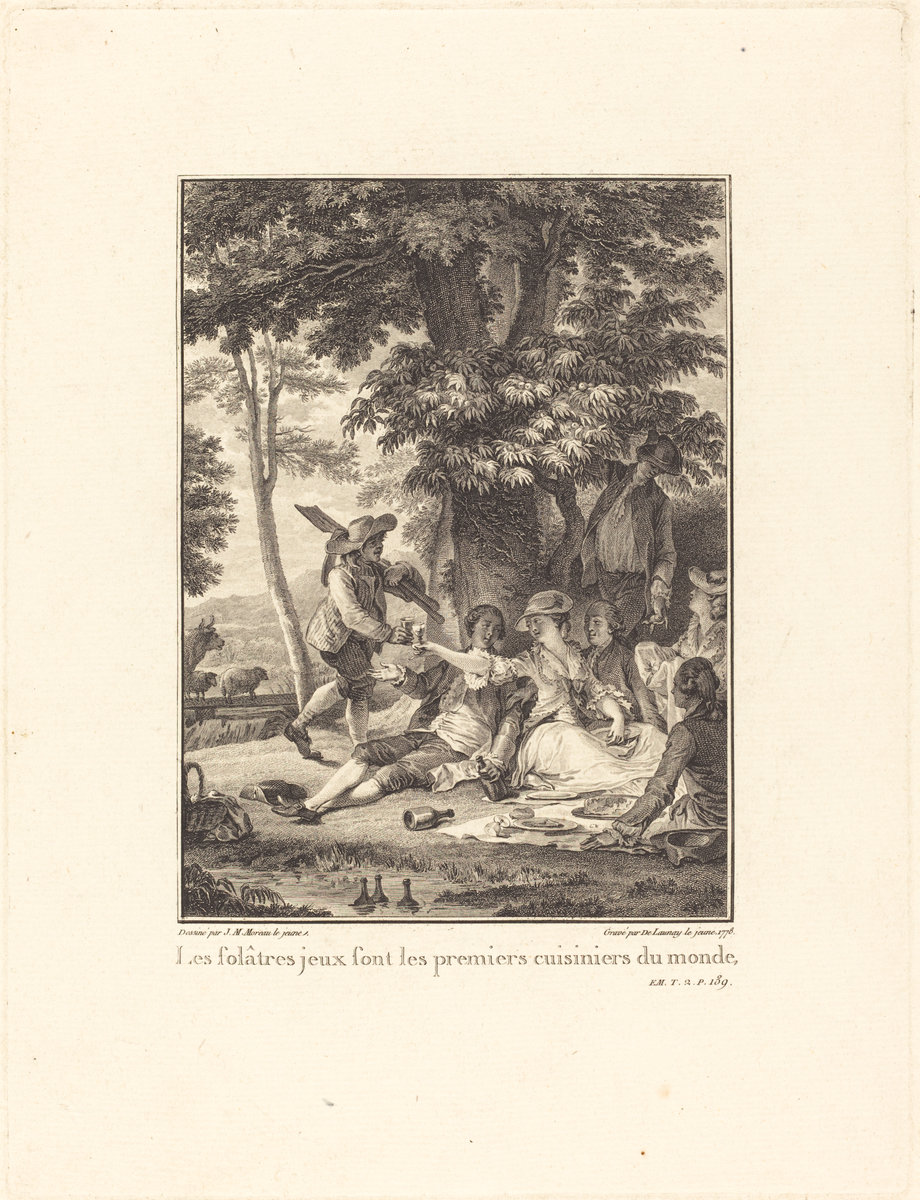
Rousseau was not thinking of a pique-nique when he wrote, “The turf will be our chairs and table, the banks of the stream our sideboard, and our dessert is hanging on the trees.” He knew that pique-nique was an indoor meal for which friends shared the...
Samuel Foote’s comedyThe Nabob, now obscure, is the first linkage of picnic with the euphemism “nick-nack.” He used in the sense of dining en piquenique, which suggests familiarity. The alliterative corruption is meant to be humorous for those in the...
Passeri’s A Party Feasting in a Garden seems like a happy end to an alfresco luncheon. Young couples are deep in conversation, flirting, and courting, which suggests this is a garden of love. It is casual and innocent, though Passari is a moralist. Close examination...
Claude should have named his painting scampagnata (holiday in the country), merenda sull’erba, or lolazione sull’erba (picnic on the grass). But Claude enhanced Landscape with the Marriage of Isaac and Rebecca with a biblical allusion to Genesis, 24, the...
Pepys’s “frolique” is a euphemism for a picnic, which did not exist as a word in English. It was among his favorite ways to spend an afternoon with friends idling. It was a favorite way for him to spend an afternoon with friends idling. We know this...
Bakhuizen embellished this seascape (his usual subject) with a group of picnickers. Picnick ann zee’s contemporary title is appropriate but inaccurate because picnic was not applied to an alfresco meal in 1701. Pique-nique had only been included in Gilles...
Writing to his dear friend (and probable mistress) Martha Blount, Pope related his adventure at Netley Abbey and his alfresco luncheon there. He does not call it a picnic because the word was not used in English parlance until 1806. (See Harris’s The happy...
De Troy’s hunt meals were designed for aristocratic patrons. Two paintings Hunt Breakfast and The Death of a Stag were commissioned as companions pieces by Louis XV and designed for his private dining room in Fontainebleau. Hunt Breakfast depicts the high spirits of...
As usual among the French, a halt on the hunt is never referred to as a picnic, although that’s what it is. Van Loo’s Halte de chasse is a narrative of a stop during the hunt, at which the ladies meet the hunters at a predetermined place, called a tryst,...
Because the scene is obviously a picnic, the National Gallery of Art’s title, The Picnic after the Hunt, is apt. But Lancret would not have used pique-nique because the French denoted it as an indoor dinner. More likely, he would have titled un repas de chasse, as he...
Rousseau was not thinking of a pique-nique when he wrote, “The turf will be our chairs and table, the banks of the stream our sideboard, and our dessert is hanging on the trees.” He knew that pique-nique was an indoor meal for which friends shared the...
Samuel Foote’s comedyThe Nabob, now obscure, is the first linkage of picnic with the euphemism “nick-nack.” He used in the sense of dining en piquenique, which suggests familiarity. The alliterative corruption is meant to be humorous for those in the...