
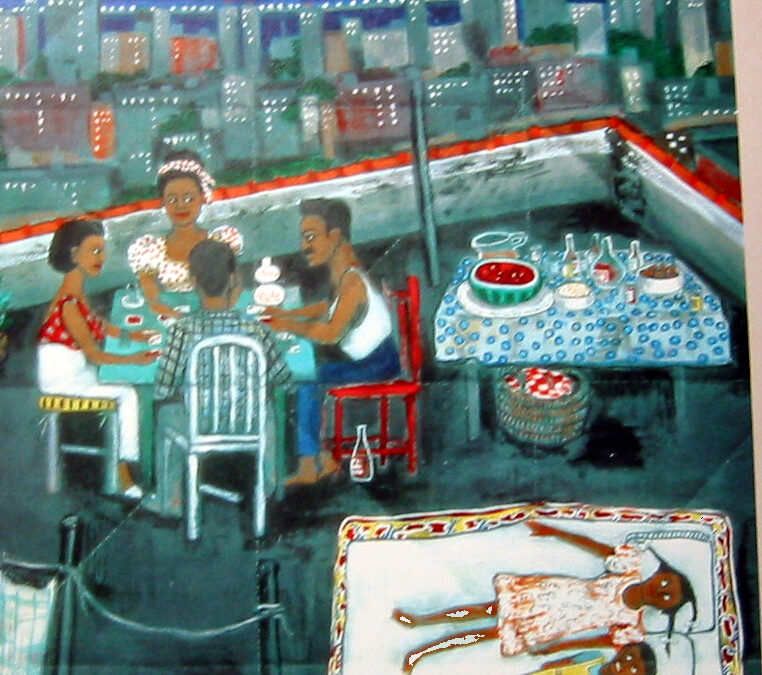
Sometimes, we don’t get what we want for a picnic. But this is what we expect.
We expect a perfect day for the picnic! moderate sun, no gusty wind, no rain, no ants or other pesky insects.
Picnics may be planned or spontaneous. One is not “better” than the other.
Picnickers leave home and return on the same day. Multiday picnics are uncommon.
Women usually prepare the food and pack the baskets.
The men usually take care of transportation; getting the car ready, preparing a boat, a bicycle, or setting up tables in the yard.
With provisions packed, the family, friends, or company set off for the country, beach, park, or forest—someplace away from home.
Going on a picnic suggests a destination other than the place you are starting from, though yard picnics are common.
The preferred site is most frequently a grassy lawn beneath a shady tree beside a stream. It is usually out of the town or city, in a suburban or exurban
setting, a forest or wild place. A common synonym for a picnic is “A day in the country.”
Usually, a cloth or rug is spread on the ground. Some prefer to loll on cushions; others sit at tables and chairs.
Before the meal, picnickers may play sports, swim, or find mild adventures like getting lost, singing, or observing nature. After playtime, picnickers return to the blanket to eat their meal.
When the food is ready, it is unpacked and served all at once; there are no courses. If there is cooking and grilling, men serve as chefs; they also tend to fire maintenance.
Food at picnics is important and must satisfy hunger and the psyche. Most
meals are informal, served on paper plates with throwaway utensils
and paper napkins. Sometimes the meal is formal and served on China,
with flatware and linen napkins. and crystal glassware.
There may be napping, games, singing, recitations, or storytelling.
By common consent, the picnic ends, clean-up begins, gear is packed, and the return home begins.
Featured Image: Faith Ringgold. Tar Beach (1991)